Comparing Displays: Lightbox Fabric Banners vs Traditional Signage
When planning your display strategy, choosing between lightbox fabric banners and traditional signage requires understanding how each option performs across various criteria. Both approaches have their place in marketing and display applications, but recognizing their differences helps you make informed decisions that align with your specific needs and objectives.
This comprehensive comparison examines lightbox fabric banners and traditional signage across multiple dimensions, providing the insights you need to determine which solution best serves your brand, budget, and marketing goals.
Visual Impact and Attention-Grabbing Capabilities
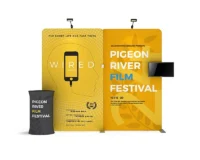
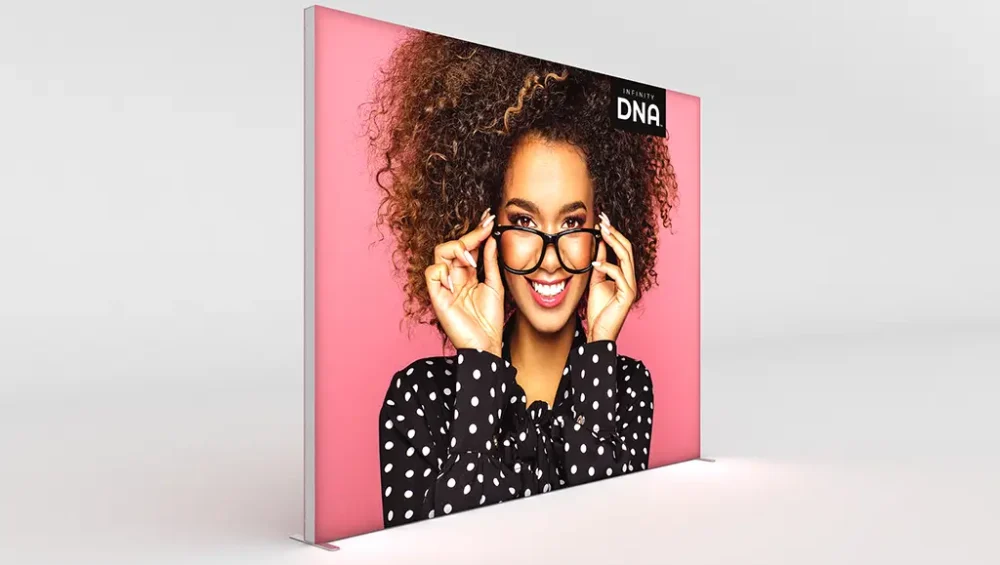
Lightbox fabric banners leverage LED backlighting to create illuminated displays that naturally draw attention, even in well-lit environments. This illumination ensures your message remains visible and impactful, cutting through visual clutter that might obscure traditional signage.
Traditional signage relies on ambient lighting and reflective surfaces to create visibility, which can be effective in certain conditions but may struggle in environments with poor lighting or significant visual competition. The passive nature of traditional signage means its effectiveness varies more with environmental conditions.
The active illumination of lightbox fabric banners provides consistent visual impact regardless of ambient lighting conditions, giving them a distinct advantage in trade show environments, retail settings, and events where capturing attention quickly matters.
Cost Comparison: Initial Investment and Long-Term Value
Traditional signage often appears less expensive initially, particularly for simple printed banners or vinyl graphics. However, this initial cost advantage can be misleading when you consider the complete value proposition, including durability, versatility, and long-term performance.
Lightbox fabric banners represent a higher initial investment but deliver superior long-term value through their durability and reusability. The ability to update graphics without replacing the entire system, combined with the longevity of frame and lighting components, often makes lightbox fabric banners more cost-effective over multiple uses.
Traditional signage may require complete replacement when graphics need updating or when wear becomes apparent, leading to higher cumulative costs over time. The reusable nature of lightbox fabric banner systems provides significant cost advantages for businesses that participate in multiple events or need to update messaging regularly.
Portability and Setup Considerations
Lightbox fabric banners excel in portability, with lightweight frames and compact packaging that enable easy transport and storage. The modular design allows for straightforward assembly and disassembly, making these displays ideal for businesses that move between locations or participate in multiple events.
Traditional signage varies widely in portability, with some options being quite portable while others require specialized handling. Large rigid signs or complex traditional displays often involve heavier materials and more complex assembly processes that increase transport costs and setup time.
The portability advantage of lightbox fabric banners becomes particularly valuable for businesses that transport displays frequently or have limited storage space. The ability to pack displays compactly reduces shipping costs and simplifies logistics.
Durability and Maintenance Requirements
Lightbox fabric banners are engineered for durability, with frames designed to withstand repeated assembly and disassembly cycles. The fabric graphics resist fading and maintain their appearance through many uses, while LED lighting systems provide thousands of hours of operation without requiring bulb replacements.
Traditional signage durability varies significantly depending on materials and construction. Some traditional options may be quite durable, while others may show wear more quickly, particularly when exposed to weather or frequent handling. Maintenance requirements also vary, with some traditional signage requiring more frequent attention.
The consistent durability and low maintenance requirements of lightbox fabric banners provide predictable performance and reduced ongoing costs compared to many traditional signage options.
Versatility and Adaptability
Lightbox fabric banners offer exceptional versatility, with the same system serving multiple applications from trade shows to retail environments to corporate events. The ability to update graphics easily means one system can support various campaigns and messaging over time.
Traditional signage is often more specialized, with specific designs created for particular applications. While this specialization can be effective, it may limit the versatility of your investment. Updating traditional signage typically requires creating entirely new graphics or displays.
The adaptability of lightbox fabric banners means your investment continues to provide value as your needs evolve, while traditional signage may become less relevant when messaging or applications change.
Professional Appearance and Brand Image
Both lightbox fabric banners and traditional signage can create professional appearances, but the illuminated nature of lightbox displays often conveys a more modern, premium brand image. The consistent, bright presentation of lightbox fabric banners suggests attention to detail and investment in quality.
Traditional signage can certainly look professional, but the visual impact may be more dependent on design quality and environmental conditions. In some settings, traditional signage might appear dated compared to the modern aesthetic of illuminated displays.
The contemporary appearance of lightbox fabric banners can enhance brand perception, particularly in industries where innovation and modernity are valued by customers and stakeholders.
Energy Consumption and Operating Costs
Lightbox fabric banners use energy-efficient LED lighting systems that consume minimal power while providing bright illumination. This efficiency reduces operating costs, particularly for displays that operate for extended periods.
Traditional signage typically has no ongoing energy costs, which represents an advantage in terms of operating expenses. However, this advantage must be balanced against other factors such as visibility effectiveness and the need for ambient lighting to ensure traditional signage remains visible.
The energy efficiency of modern LED systems means the operating cost difference is often minimal, while the enhanced visibility of illuminated displays may provide value that offsets any energy costs.
Graphics Quality and Customization
Both lightbox fabric banners and traditional signage support high-quality graphics and extensive customization options. Lightbox fabric banners use specialized printing processes optimized for backlit applications, ensuring vibrant colors and sharp imagery when illuminated.
Traditional signage graphics quality depends on the printing method and materials used. Some traditional options support excellent graphics quality, while others may have limitations depending on the specific approach chosen.
The backlit nature of lightbox fabric banners can enhance graphics presentation, making colors appear more vibrant and images more impactful compared to traditional signage that relies on reflected light.
Environmental Considerations
Lightbox fabric banners offer environmental advantages through their reusability and energy-efficient LED systems. The ability to update graphics without replacing entire systems reduces waste, while LED lighting minimizes energy consumption.
Traditional signage environmental impact varies with materials and disposal requirements. Some traditional options may involve materials that are less environmentally friendly, while others may be more sustainable depending on specific choices.
The reusable nature of lightbox fabric banners generally provides environmental benefits, particularly when compared to disposable or single-use traditional signage options.
Conclusion
Comparing lightbox fabric banners with traditional signage reveals distinct advantages for each approach depending on your specific needs. Lightbox fabric banners excel in visual impact, portability, versatility, and long-term value, making them ideal for businesses that need adaptable, attention-grabbing displays.
Traditional signage may be suitable for applications where initial cost is the primary concern or where displays will be used in a single, permanent location. However, for businesses seeking maximum flexibility, professional appearance, and long-term value, lightbox fabric banners often provide superior overall benefits.
The choice ultimately depends on your specific requirements, budget considerations, and long-term plans. For most businesses seeking versatile, professional displays that deliver ongoing value, lightbox fabric banners represent an excellent investment.
Ready to experience the advantages of lightbox fabric banners? Explore our selection and discover how these modern displays can elevate your brand presence compared to traditional signage options.