Choosing the Right WaveLight® LED Lightbox for Your Display Needs
Selecting the right display is crucial for maximizing your exhibition impact and ensuring your display serves your specific objectives effectively. The WaveLight® LED Lightbox range includes multiple options, and understanding how to choose the right one helps you make informed decisions that maximize your results.
This guide explores the factors to consider when selecting your display, helping you match the system to your space, objectives, and design vision. From size considerations to configuration options, every aspect of selection is covered.
Assessing Your Space Requirements
The first step in choosing the right display is assessing your space requirements. Consider your booth size, layout, and available area to determine what size and configuration will work best in your specific space.
Larger booths can accommodate larger displays or multiple units, while smaller spaces might require more compact configurations. Understanding your space constraints helps you narrow your options and focus on displays that will fit effectively.
Also consider your space layout. Corner booths, island spaces, and linear configurations each have different requirements, and the system’s flexibility means you can find displays that work well in each scenario. Matching display to layout ensures optimal use of available space.
Defining Your Objectives
Your exhibition objectives also influence display selection. If your primary goal is creating a dramatic focal point, larger displays or curved options might serve you best. If you need efficient space use, compact straight configurations might be more appropriate.
Consider what you want to achieve with your display. Are you creating backdrops, focal points, or supporting displays? Each objective benefits from different display options, and understanding your goals helps you select the option that best supports your objectives.
Also consider your messaging and branding objectives. Some displays work better for certain types of messaging or branding approaches. Matching display to objectives ensures your display supports your goals effectively.
Considering Visual Impact Needs
Your visual impact needs also influence display selection. Larger displays create more significant visual impact, while curved configurations add dynamic interest that helps displays stand out. Understanding your impact needs helps you choose displays that achieve the desired effect.
Consider your competitive environment. In crowded exhibition halls, more dramatic displays might be necessary to stand out. In less competitive environments, simpler displays might be sufficient. Matching display to environment ensures appropriate impact levels.
Also consider your brand positioning. Premium brands might benefit from larger, more dramatic displays, while cost-conscious approaches might prefer more efficient options. Understanding your positioning helps you select displays that reinforce your brand image.
Evaluating Configuration Options
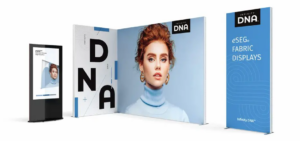
The system offers various configuration options, and choosing between them depends on your design vision and functional requirements. Straight configurations work well for clean, professional backdrops, while curved options add dynamic visual interest.
Consider your design aesthetic. Do you prefer clean, linear presentations or more dynamic, curved designs? Your aesthetic preferences help guide configuration selection and ensure your display matches your design vision.
Also consider functional requirements. Straight displays work well for backdrops, while curved options can create more dynamic focal points or guide traffic flow. Matching configuration to function ensures your display serves your needs effectively.
Modular System Considerations
The system’s modular capabilities allow you to create custom configurations by connecting multiple units. Consider whether modular configurations would serve your needs better than single-unit options.
Modular configurations are particularly valuable for larger spaces or when you need displays that create dramatic visual statements. The ability to scale your display means you can match configuration size to your space and impact objectives.
Also consider future flexibility. Modular configurations can be adapted to different events or spaces, maximizing the value of your investment. If you participate in events with varying space sizes, modular options provide flexibility that protects your investment.
Single vs Double-Sided Decisions
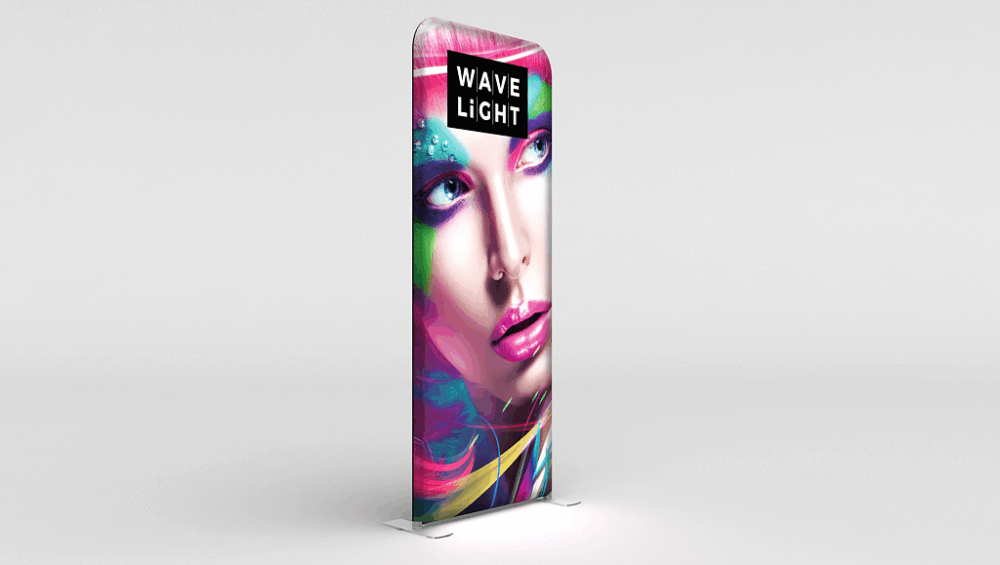
The system offers both single and double-sided options, and choosing between them depends on your visibility requirements and space layout. Single-sided displays work well for backdrops, while double-sided options create freestanding displays visible from all angles.
Consider your booth layout. If your display serves as a backdrop, single-sided options are typically more appropriate. If you need displays visible from multiple directions, double-sided options serve you better.
Also consider space efficiency. Single-sided displays focus illumination in one direction, maximizing efficiency. Double-sided options provide visibility from all angles but require more power and space. Matching sidedness to requirements ensures optimal efficiency.
Budget and Value Considerations
Your budget also influences display selection, and understanding value helps you make cost-effective decisions. Larger or more complex displays cost more but may provide better value through increased impact or versatility.
Consider your total cost of ownership. More expensive displays might provide better long-term value through increased impact or versatility. Understanding value helps you make decisions that maximize return on investment.
Also consider your budget constraints. The system’s range includes options at various price points, and you can find displays that serve your needs within your budget. Matching display to budget ensures cost-effective decisions.
Application-Specific Selection
Your specific application also influences display selection. Trade show applications might benefit from different displays than retail or corporate applications. Understanding your application helps you select displays that serve your specific needs.
Consider the realities of your application. Trade shows might require more dramatic displays to stand out, while retail applications might benefit from more efficient options. Matching display to application ensures optimal performance.
Also consider your application’s evolution. If your application needs might change, more flexible displays provide adaptability that protects your investment. Understanding potential evolution helps you select displays that remain useful as needs change.
Professional Consultation
When in doubt, professional consultation can help you select the right display. Display professionals understand how different displays perform in various scenarios and can provide guidance based on your specific needs.
Professional consultation is particularly valuable for complex requirements or when you’re unsure about display options. Expert guidance helps you make informed decisions that maximize your results and protect your investment.
Consultation also helps you understand long-term implications of display choices. Understanding how displays will serve you over time helps you make decisions that provide lasting value.
Conclusion
Choosing the right WaveLight® LED Lightbox requires considering your space, objectives, impact needs, and budget. Understanding these factors helps you make informed decisions that maximize your exhibition impact and ensure your display serves your specific needs effectively.
The system’s range includes options that accommodate various requirements, and the flexibility means you can find displays that work well for your specific situation. When you’re ready to select the display that maximizes your results, the WaveLight® LED Lightbox range delivers the options you need.
Explore the WaveLight LED Lightbox range to discover the displays that can serve your specific needs and help you make informed decisions that maximize your exhibition impact and achieve superior results.