Exploring WaveLight® LED Lightbox Variations and Configurations
Every exhibition space is unique, and having display options that match your specific requirements is crucial for maximizing impact. The WaveLight® LED Lightbox range includes multiple variations and configurations that accommodate various space requirements and design objectives.
Understanding these variations and configurations helps you select the display that best matches your needs and maximizes your exhibition impact. From size variations to shape options to modular capabilities, every aspect of the range is covered.
Size Range Variations
The range includes multiple size options that accommodate various space requirements and impact objectives. Understanding the size range helps you identify options that match your booth size and visual impact needs.
Smaller sizes work perfectly for compact booths or when you need displays that provide professional presentation without dominating your space. These compact options maximize space efficiency while still delivering the backlit impact that makes displays stand out.
Larger sizes create more significant visual impact and command more attention on the exhibition floor. These expansive options work well for larger booths or when you need displays that serve as primary focal points. The size range ensures you can find options that match your specific requirements.
Shape Configuration Options
The range also includes shape configuration options that support different design approaches. Straight configurations work perfectly for clean, linear presentations that frame booth spaces effectively, while curved options add dynamic visual interest.
Understanding shape options helps you select configurations that match your design vision and functional requirements. Straight displays provide professional backdrops, while curved options create more engaging focal points. The shape flexibility means you can choose options that best support your objectives.
The shape options also support different functional requirements. Straight configurations work well for traditional backdrops, while curved options can guide traffic flow or create more dynamic presentations. Matching shape to function ensures optimal results.
Single vs Double-Sided Variations
The range includes both single and double-sided configuration options, and understanding the differences helps you select options that serve your visibility requirements effectively.
Single-sided options work perfectly for backdrops that face one direction. These configurations maximize space and power efficiency by focusing illumination in one direction, making them ideal for linear booth layouts where displays serve as backdrops.
Double-sided options create freestanding displays visible from all angles. These configurations are ideal for island booths or open floor plans where displays need to be visible from multiple directions. Understanding these options helps you select configurations that match your layout requirements.
Modular Configuration Capabilities
The system’s modular capabilities allow you to create custom configurations by connecting multiple units. Understanding these capabilities helps you identify opportunities to create configurations that perfectly match your space and objectives.
Modular configurations are particularly valuable for larger booths or when you need displays that create dramatic visual statements. The ability to connect multiple units means you can scale your display to match your requirements, creating configurations that are unique to your needs.
The modular approach also supports flexibility. You can adapt configurations to different events or spaces, maximizing the value of your investment across multiple applications. Understanding modular capabilities helps you make decisions that protect your investment.
Straight Panel Configurations
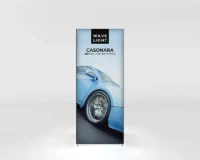
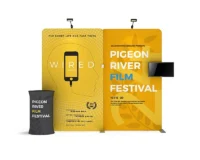
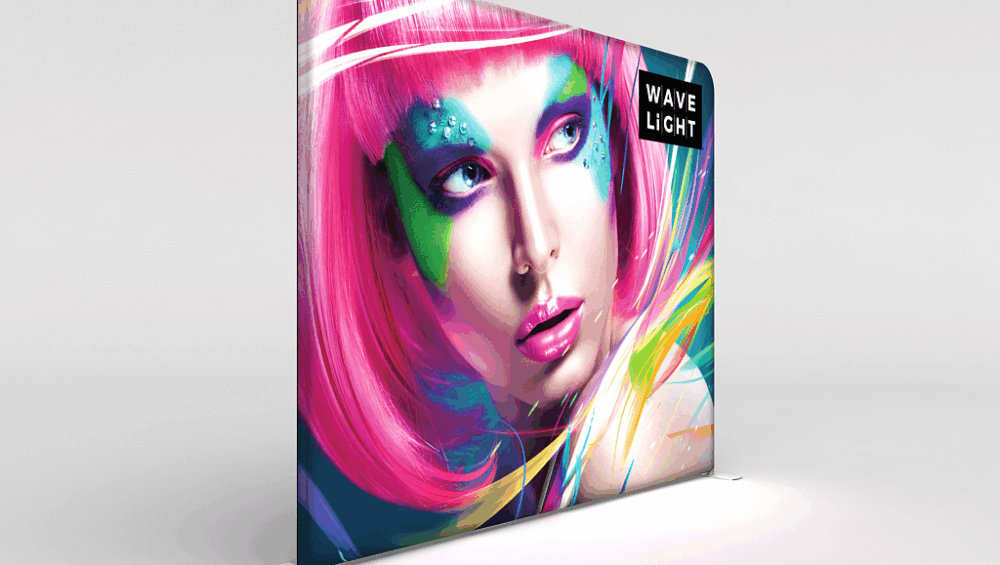
Straight panel configurations are available in various sizes and work perfectly for clean, professional backdrops. Understanding these options helps you select configurations that frame your booth space effectively while maintaining visual appeal.
Straight configurations are particularly valuable for traditional booth layouts where displays serve as backdrops. The clean, linear presentation creates professional appearances that reflect well on your brand and support your exhibition objectives.
The straight configuration options also maximize space efficiency by creating displays that fit efficiently into linear booth spaces. This efficiency is valuable when you need displays that don’t consume excessive space or interfere with traffic flow.
Curved Panel Configurations
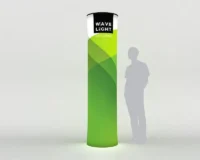
Curved panel configurations are also available and add dynamic visual interest that helps displays stand out. Understanding these options helps you identify when curved configurations might serve you better than straight alternatives.
Curved options are particularly valuable when you want to create displays that are more visually interesting than straight alternatives. The curved shape adds movement and interest that can help your display capture attention in crowded exhibition halls.
The curved configuration options also support different functional requirements. Curved displays can create more dynamic focal points or guide traffic flow in ways that straight displays cannot. Understanding these functional benefits helps you select appropriate options.
Compact Configuration Options
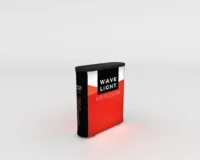
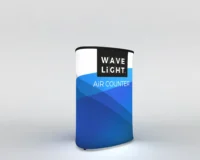
Compact configuration options are available for exhibitors who need professional presentation in smaller spaces. Understanding these options helps you identify solutions that maximize impact while respecting space constraints.
Compact options are particularly valuable for smaller booths or when you need displays that don’t dominate your space. These configurations provide professional backlit presentation without consuming excessive space, maximizing your functional area.
The compact options also support cost efficiency by providing professional results at lower price points. Understanding these options helps you make cost-effective decisions that still achieve your exhibition objectives.
Expansive Configuration Options
Expansive configuration options are also available for exhibitors who need maximum visual impact. Understanding these options helps you identify when larger configurations might serve you better than compact alternatives.
Expansive options are particularly valuable for larger booths or when you need displays that serve as primary focal points. These configurations create dramatic visual statements that command attention and support your exhibition objectives.
The expansive options also support premium brand positioning by creating displays that look custom-built and expensive. Understanding these options helps you select configurations that reinforce your brand image effectively.
Custom Configuration Possibilities
The system’s flexibility also supports custom configuration possibilities that allow you to create displays unique to your needs. Understanding these possibilities helps you identify opportunities to create configurations that perfectly match your design vision.
Custom configurations are particularly valuable when you have specific design requirements or unique space configurations. The system’s modular capabilities mean you can create configurations that are impossible with fixed-format displays, maximizing both visual impact and functional value.
The custom configuration capability also supports experimentation and refinement. You can try different configurations to find what works best for your specific needs, ensuring optimal results for your exhibition objectives.
Application-Specific Options
Different applications benefit from different configuration options, and understanding application-specific considerations helps you select options that serve your specific needs effectively.
Trade show applications might benefit from more dramatic configurations that stand out in crowded halls, while retail applications might prefer more efficient options. Understanding your application helps you select configurations that optimize performance for your specific environment.
The configuration options also support evolution of your exhibition strategy. As your needs change, you can adapt configurations to match new requirements, protecting your investment and ensuring continued value.
Conclusion
Understanding the variations and configurations available for the WaveLight® LED Lightbox helps you make informed decisions that maximize your exhibition impact and serve your specific needs effectively. The range includes options that accommodate various requirements, and the flexibility means you can find configurations that work well for your situation.
The combination of size range, shape options, and modular capabilities ensures you can find configurations that match your space, objectives, and design vision. When you’re ready to select configurations that maximize your results, the WaveLight® LED Lightbox range delivers the options you need.
Explore the WaveLight LED Lightbox range to discover the variations and configurations that can serve your specific needs and help you make informed decisions that maximize your exhibition impact.