Affordable Quality The Economic Advantages of Fabric Banners
Finding the right balance between cost and quality matters for every exhibitor, and fabric banners deliver a practical solution that protects your budget while improving your presentation. Moreover, these displays combine durable materials, low operating costs, and flexible use cases to provide measurable savings over time. Therefore, understanding how the category performs helps you choose the right combination of products for consistent results.
General information about fabric banners
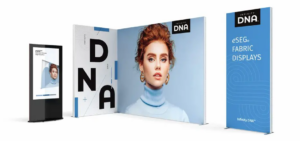
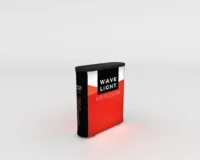
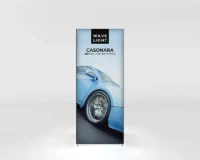
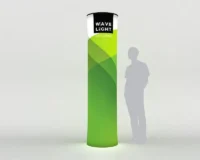
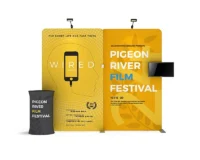
Fabric banners in this category include tension stands, pop-up frames with fabric skins, hanging fabric backdrops, and modular fabric systems. As a result, you can select displays that match booth sizes, portability requirements, and visual goals. To explore the full selection and compare sizes and styles, browse the fabric banners range.
Material quality and construction
Fabric banners use polyester and knit fabrics that are printable, lightweight, and durable. Additionally, modern dye-sublimation printing bonds ink into fibers for vivid color and long-lasting graphics. Because the material resists wrinkling and cleans easily, your displays look professional event after event without expensive upkeep.
Design features that drive value
Key design features include tensioned graphics for smooth surfaces, quick-attach frames for fast swaps, and edge-to-edge printing for high-impact visuals. Furthermore, many systems are modular so you can update layouts or scale up to larger configurations without buying new frames. Therefore, you get fresher creative options while stretching your initial investment.
Portability and transport cost savings
Fabric banners are lightweight and often break down into compact carry bags. Consequently, shipping and storage costs are lower than rigid displays, and onsite handling is easier for small teams. Moreover, reduced weight and compact packing reduces the risk of damage during transit, which lowers replacement and repair expenses over time.
Setup process and reduced maintenance
Setup for fabric banners is straightforward, and therefore labour time at events is shorter. Quick-fit frames and magnetic or silicone-edge graphics allow one person to assemble a complete backdrop within minutes. Additionally, maintenance is minimal because fabric is less prone to dents and scratches, and graphics can be laundered or replaced independently of the frame.
Use cases: events, retail, and experiential spaces
Fabric banners are ideal for trade shows, pop-up shops, product launches, and photo walls. For example, tension fabric walls provide a large branded backdrop, while retractable fabric stands work well for reception areas and kiosks. Because they are adaptable, you can repurpose the same displays across diverse settings and campaigns, which increases return on investment.
Creative uses of multiple products in the category
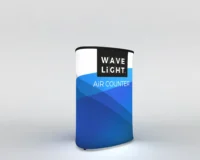
Combine a fabric tension wall with smaller tabletop fabric banners to create layered depth that guides visitor flow. Alternatively, use hanging fabric banners above your booth for high visibility and pair them with printed fabric counters for consistent branding. In addition, switching graphic skins seasonally keeps the look fresh without replacing structural elements.
Product category advantages in a professional setting
In a busy exhibition schedule, fabric banner systems offer predictable costs and consistent performance. Because components are reusable and graphics are affordable to update, the total cost of ownership is lower than many alternatives. Moreover, the professional finish of fabric printing elevates brand perception while remaining budget friendly.
Conclusion
Fabric banners deliver economic advantages through material durability, versatile design, and low operating costs. Therefore, they represent a smart category choice for exhibitors who want professional presentation without excessive expenditure. Finally, by choosing the right combination of products within this category, you protect your exhibition budget while maximizing visual impact and long-term value.