Exploring the Different Styles and Sizes of Fabric Banners
Fabric banners form a versatile product category that supports a wide range of exhibition, retail, and event needs. Whether you manage trade shows, store launches, or pop-up activations, fabric banners offer flexible visual solutions that scale with your goals. In the sections below, you will find practical guidance on the types, uses, and combinations that deliver the greatest impact.
General Information
Fabric banners include a variety of display types, sizes, and finishes designed for both temporary and semi-permanent applications. Furthermore, these displays share common strengths: lightweight construction, rich print quality, and the ability to be swapped with new graphics. As a result, they are ideal for teams that need adaptable branding without repeated frame replacement.
Size Variations
Sizes range from compact tabletop banners to expansive backdrops that dominate booth space. Smaller formats work well for secondary messaging and product showcases, while larger formats serve as primary brand backdrops. Therefore, you can choose a size that balances visibility, transport logistics, and budget.
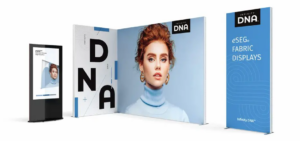
Additionally, modular multi-panel sizes let you scale a display up or down. For example, you might combine several narrow panels to form an extended wall, or use a single wide panel for a straightforward backdrop. This adaptability helps you maximize the return on a single system across multiple events.
Style and Graphics Options
Fabric banners come in straight, curved, and tensioned styles that influence both aesthetic and sightlines. Straight frames create a clean, professional look, while curved solutions add motion and visual flow. Meanwhile, graphics can be single-sided for directional setups or double-sided for open-floor environments.
Furthermore, many systems allow tool-free graphic changes, so you can refresh messaging between events. Consequently, this reduces long-term costs and keeps your presentation current with seasonal promotions or product updates.
Configuration Styles
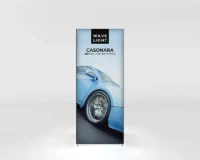
Configurations include single-panel stands, pop-up frames, and multi-panel systems. Each configuration supports different layout strategies. Single panels offer a quick, low-footprint solution, and multi-panel systems provide a more immersive branded environment.
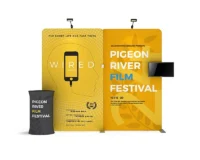
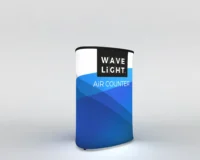
Moreover, combinations of banners with complementary products, such as counters or hanging signs, create cohesive exhibit islands. Therefore, selecting a configuration should reflect your traffic flow, sightlines, and focal points for the event.
Material and Frame Quality
Premium fabric materials deliver vibrant color reproduction and wrinkle resistance, and therefore enhance perceived brand quality. Frames typically use lightweight aluminium for portability, while reinforced components increase durability for frequent use. As a result, choosing better materials increases longevity and reduces the need for replacement.
Additionally, weather-resistant fabric and treated frames expand use into outdoor activations. Consequently, you can maintain consistent branding across both indoor trade shows and outdoor festivals without separate systems.
Portability and Setup Process
One major advantage of fabric banners is easy transport. Most systems pack into compact carry cases and ship easily, which reduces logistics costs. Furthermore, many frames are designed for tool-free assembly, so a single staff member can set up or adjust a display quickly.
Therefore, this category is well suited to organizations that attend frequent events, because it minimizes labor and shipping expenses while maximizing uptime on the show floor.
Use Cases and Creative Combinations
Fabric banners work in trade shows, retail windows, corporate events, product launches, and temporary galleries. For example, combine a large fabric backdrop with smaller counter banners to create a branded presentation zone. Alternatively, use double-sided fabric banners down aisles to capture attention from both directions.
Creative combinations also include layered visuals, such as hanging fabric banners paired with floor graphics and branded lighting. Moreover, rotating graphics between events keeps your presence fresh, and therefore attracts repeat visitors to your booth or space.
Conclusion
Fabric banners offer a powerful mix of flexibility, visual quality, and affordability for exhibitors and event teams. By understanding size ranges, style options, configuration choices, and material differences, you can select solutions that meet your operational needs and marketing objectives. When you are ready to explore the available options and find the right systems for your events, discover the different fabric banner styles and sizes available and choose the combinations that deliver consistent, high-impact results.