Inside the Build: Materials and Assembly Process of Fabric Banners
Fabric banners are a versatile category of exhibition displays that combine lightweight portability with a premium finish. In this guide, you will learn how materials, engineering, and smart assembly come together to create reliable display systems. Consequently, you can make confident choices when selecting banners for trade shows, retail, events, and popups.
General information about fabric banners
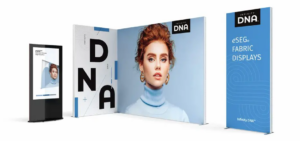
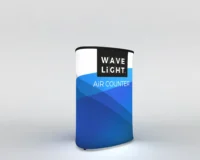
Fabric banners in this category include tension fabric displays, pop-up fabric stands, and framed fabric graphics. They are designed to deliver crisp, wrinkle-free visuals while remaining easy to transport. As a result, these products balance presentation quality with practical benefits like reduced shipping weight and fast setup times.
Frame and connection systems
Frame material quality
High-quality frames use aluminum alloys that provide strength without unnecessary weight. Moreover, anodised finishes resist scratches and corrosion during repeated use. Therefore, investing in premium frame materials increases longevity and keeps displays looking professional for years.
Connection system design
Connection systems are engineered for tool-free assembly, so you can set up quickly and efficiently. Furthermore, precision-designed connectors reduce assembly errors and ensure a secure fit. As a result, you will save time on the show floor and avoid last-minute adjustments.
Graphics and edge system
Graphics material excellence
Fabric graphics are printed on polyester or knit fabrics that deliver vivid colour and smooth texture. In addition, dye-sublimation printing locks ink into the fabric for long-lasting vibrancy and reduced fading. Therefore, your brand appears consistent across multiple events.
Edge and channel system
Edge finishing and channel systems keep graphics taut and wrinkle-free. Typically, silicone edge graphics or sewn hems slide into dedicated frame channels, which creates a custom-stretched appearance. Consequently, the result is a clean, seamless visual that reflects positively on your messaging.
Assembly and setup process
The assembly process focuses on speed and repeatability, and it usually follows a simple sequence: unpack, assemble frame, slide or attach the graphic, then position and secure. Because most systems are tool-free, teams can complete setup in minutes, which improves event logistics. In addition, intuitive component shapes and labelled parts further reduce setup time and training needs.
Use cases and creative applications
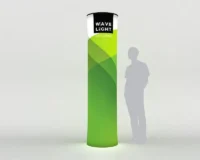
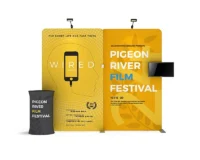
Fabric banners excel in trade shows, showrooms, retail windows, conference lobbies, and product launches. For example, use a tall tension fabric display as a backdrop for photo opportunities, or combine multiple curved frames to create immersive brand bays. Moreover, mixing fabric banners with lightboxes and modular counters creates cohesive brand environments that drive engagement.
Durability and quality assurance
Durability comes from combining sturdy frame materials, reinforced connectors, and high-grade printed fabrics. Additionally, reputable manufacturers apply thorough quality checks at each stage of production, from raw material inspection to final assembly testing. As a result, you receive consistent performance and fewer surprises over the lifetime of the product.
Explore the fabric banner options
When you are ready to compare sizes, styles, and finishing options, examine a curated selection that highlights differences in frame profiles, graphic fabrics, and edge systems. To help you begin, explore the fabric banners range to see how different builds meet specific event needs and budgets.
Conclusion
Fabric banners provide a compelling combination of presentation quality, portability, and durability. By understanding frame materials, connection design, graphic quality, and assembly workflows, you can choose the right solutions for your events. Ultimately, well-built fabric banners lower total cost of ownership, speed setup, and deliver a professional brand presence wherever you exhibit.