What Fabric Banners Are Made Of and How They’re Professionally Assembled
When you shop for fabric banners, understanding the category helps you choose displays that match your event goals and budget. This guide explains what products in the fabric banner category include, and then focuses on the materials, construction, and practical uses so you can make confident purchasing decisions.
General information about fabric banners
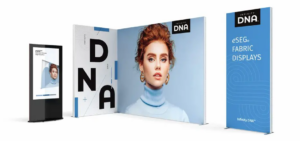
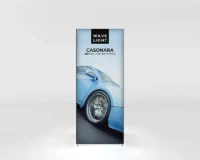
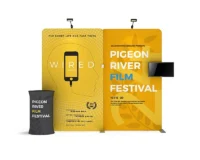
Fabric banners include a variety of display types such as tension fabric backdrops, fabric pop-up stands, fabric frames, and stretch fabric banners. They are popular for exhibitions, retail spaces, conferences, and experiential marketing because they combine lightweight transport with vibrant printed graphics. Therefore, they are a frequent choice for brands that need quick installation and a polished appearance.
Material quality and print characteristics
High-quality fabric banners use polyester blends or knit fabric engineered for large-format printing. As a result, colours remain vivid, and dye-sublimation printing produces photo-realistic images that resist fading. Moreover, the fabric’s matte finish reduces glare under strong lighting, which enhances readability and brand impact on the show floor.
Frame, edge, and channel systems
Frames for fabric banners are usually aluminium to balance strength and portability. In addition, many systems use edge channels or silicone edge graphics so the printed fabric slides into the frame for a taut, wrinkle-free finish. Consequently, the result looks custom-made and professional while remaining easy to replace if you update artwork.
Portability and setup process
Fabric displays are designed for transport and fast setup. Most products arrive in wheeled cases that double as shipping and storage solutions, and the tool-free assembly means one person can complete setup in minutes. Therefore, they are ideal for teams that travel frequently and need reliable, repeatable installation.
Use cases and event-ready advantages
Fabric banners perform well across many settings. For example, tension fabric backdrops provide wide visuals for photo opportunities, while pop-up fabric stands create branded meeting areas. Furthermore, fabric displays are commonly paired with lighting and modular counters to build immersive booths, which increases visitor engagement and lead capture.
Creative combinations of multiple products
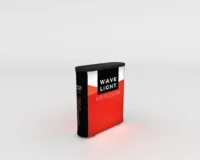
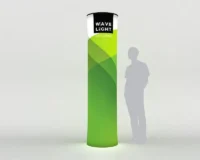
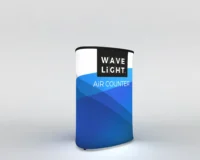
Combine fabric banners with banner stands, printed counters, and hanging signs to create layered environments that guide visitor flow. Additionally, using different shapes and depths adds visual interest, and interchanging graphics across a consistent fabric system keeps branding cohesive while enabling targeted messaging for different events.
Choosing the right product for your needs
Consider dimensions, graphic changeability, and storage when selecting a fabric banner. For instance, choose a modular frame if you plan to reuse the structure with new artwork. Also, evaluate whether you need fire-retardant fabric or additional finishing options such as edge stitching or protective coatings, because these factors affect longevity and compliance at venues.
Explore the collection
When you are ready to browse specific options and compare sizes, materials, and prices, check the full fabric banners range to view current products and accessory choices that suit exhibition needs.
Conclusion: why choose fabric banners
In summary, fabric banners offer a blend of visual quality, ease of use, and portability that makes them a top choice for exhibition and retail displays. Because they are lightweight, reusable, and capable of producing vivid, professional imagery, they deliver reliable performance and a strong return on investment. Therefore, select the fabric banner type that aligns with your event strategy, and you will benefit from attractive, practical displays that elevate your brand presence.