How Counters and Cases Are Constructed and Put Together
When you plan an exhibit or a pop-up, counters and cases are the backbone of a professional presentation. They combine practical storage, a branded surface, and portable design so that teams can focus on engagement instead of logistics. Moreover, understanding the category helps you choose the right combination of size, finish, and features to meet event goals and budget constraints.
General information about Counters and Cases
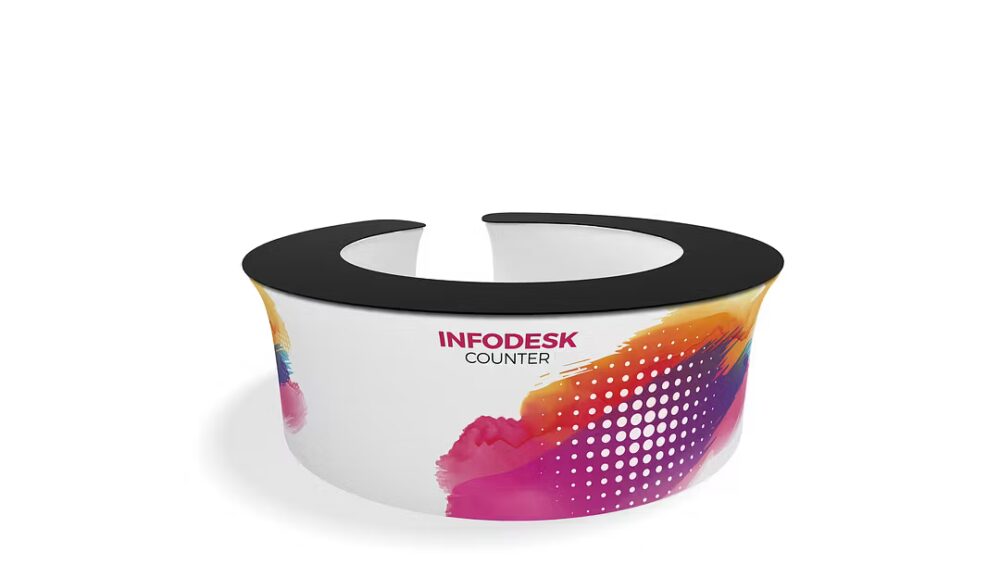
Counters and cases include a range of products from compact portable counters to larger modular reception units. Generally, they are designed to balance rigidity and light weight, and they often integrate transport cases that convert into display counters on-site. As a result, you get a two-in-one product that reduces the need for separate shipping crates and display tables. For more details and examples, see Counters and Cases
Design features and components
Counters and cases are built from predictable components that combine to deliver reliability. For example, typical components include an internal frame, removable panels, worktops, internal shelving, and latchable transport cases. Additionally, many designs offer interchangeable graphic panels so you can update messaging quickly. Consequently, you get a system that is both flexible and easy to refresh between campaigns.
Material quality and specifications
Materials vary by model, but common choices are aluminum frames, ABS or polypropylene cases, and laminated MDF or acrylic worktops. Therefore, you can select a product that prioritizes lightweight travel or a premium finish. Moreover, specifications such as weight capacity, case dimensions, and finish options should guide your selection so that the counter performs in real-world conditions and aligns with your brand standards.
Use cases: Trade shows and events
In busy trade shows, counters serve as service points, demo stations, and reception desks. Because they convert from case to counter quickly, teams can set up independently and with consistent presentation. Furthermore, integrated storage helps keep giveaway items and literature organized. As a result, counters and cases improve flow on busy show days and make pack-up faster at the end of the event.
Use cases: Retail, pop-ups, and experiential activations
Retail pop-ups and experiential activations benefit from counters that look like permanent fixtures while remaining transportable. In retail, they act as point-of-sale counters and product demo islands. Meanwhile, for experiential marketing, modular cases allow you to combine multiple units to create branded bars, sampling stations, or interactive kiosks. Therefore, these products expand what you can do without investing in built-in fixtures.
Portability, setup process, and logistics
Portability is a prime advantage of this category. Most counters fold into wheeled cases and include integrated locks and handles, and consequently they reduce shipping volume and handling time. Setup usually follows a simple sequence: open the case, extend the frame, attach panels, and secure the worktop. Because assembly often requires minimal tools and one person can complete it, you save on labor and reduce the risk of onsite delays.
Creative configurations and category advantages
One of the strongest benefits of Counters and Cases is versatility. You can mix sizes to form islands, add backlit panels for evening events, or create multi-station demo areas that share storage. Additionally, coordinating finishes across multiple counters builds a cohesive brand presence. Therefore, investing in this product category increases your options for future events and supports multiple campaign types without large incremental costs.
In conclusion, counters and cases deliver a practical, cost-effective solution for exhibitors and retailers who need professional presentation and simple logistics. They combine thoughtful components, durable materials, and quick setup to support repeated use. Consequently, when you plan an activation, choosing the right combination from this category ensures better on-floor performance, easier transport, and stronger brand impact.