A Complete Breakdown of Products Found in Modern Exhibition Stand Kits
Introduction
Exhibition stand kits simplify event planning by combining a range of display products into ready-to-use systems. For marketers and event managers, understanding what is included helps you choose kits that match booth size, brand goals, and logistics. Consequently, you can avoid surprises on site and get consistent results at every show.
General Information About the Category
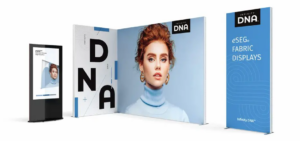
Exhibition stand kits are curated bundles that typically include structural display systems, printed graphics, functional furniture, lighting, and the necessary hardware. Because kits are assembled as complete solutions, they reduce planning time and lower the risk of missing components. Moreover, they are designed to work together so setup is faster and presentation quality is higher. If you want to review market-ready options, consider exploring available exhibition stand kits to compare configurations and pricing.
Display Systems
Display systems form the backbone of any kit. Usually, these are modular frames, tension fabric walls, or pop-up structures that provide stability and visual canvas. Because they are engineered for repeat use, high-quality frames resist wear and stay rigid through transport. Additionally, modular systems let you scale the footprint from small inline booths to larger island displays with the same core components.
Graphics and Branding Components
Graphics are the visual focal point, and modern kits include high-resolution printed panels or fabric skins. As a result, your branding looks sharp and legible from a distance. Furthermore, premium print materials offer fade resistance and easy cleaning, which preserves brand appearance over multiple events. Therefore, selecting a kit with upgraded print options can protect your visual investment and improve visitor recall.
Functional Components and Accessories
Functionality matters during events, and kits commonly include counters, shelving, literature holders, and storage units. Consequently, staff can work efficiently and store collateral out of sight, which improves the visitor experience. In addition, integrated counters often double as demo stations or reception points, making them highly versatile across different exhibition formats.
Lighting and Hardware
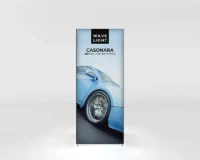
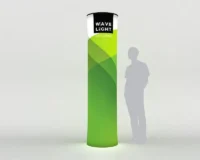
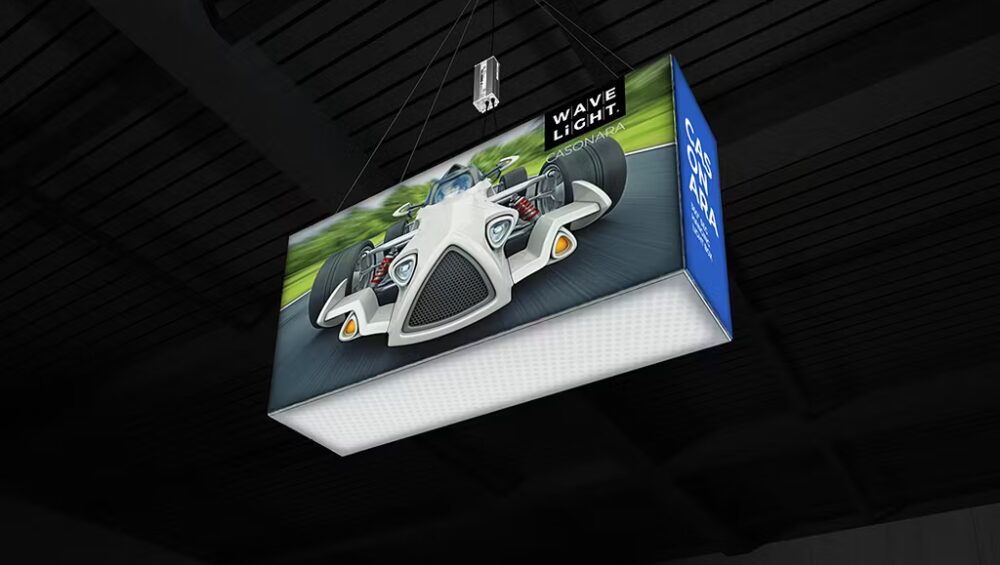
Lighting enhances visibility and draws attention to key messages. Modern kits usually feature LED spotlights, strip lighting, or adjustable fixtures that offer bright, energy-efficient illumination. Meanwhile, included hardware such as connectors, feet, and transport cases ensures secure assembly and safer handling. Therefore, a kit that bundles reliable lighting and durable hardware reduces the need for aftermarket purchases and common setup delays.
Use Cases and Creative Combinations
Exhibition stand kits are suitable for a variety of applications. For example, a small inline kit works well for product samplings and trade shows, while modular island kits are ideal for interactive demos and networking lounges. Moreover, you can combine multiple kits to create gallery-style displays or segmented zones, and by mixing display systems with portable counters and targeted lighting, you can craft immersive brand experiences. As a result, kits give you the flexibility to experiment across events without heavy investment in bespoke builds.
Conclusion
Choosing the right exhibition stand kit means balancing display quality, functionality, and logistics. In summary, kits that include robust display systems, high-quality graphics, useful functional components, efficient lighting, and dependable hardware deliver consistent performance and measurable value. Finally, by selecting a kit that aligns with your event goals, you can present a cohesive brand presence while saving time and cost on each show.