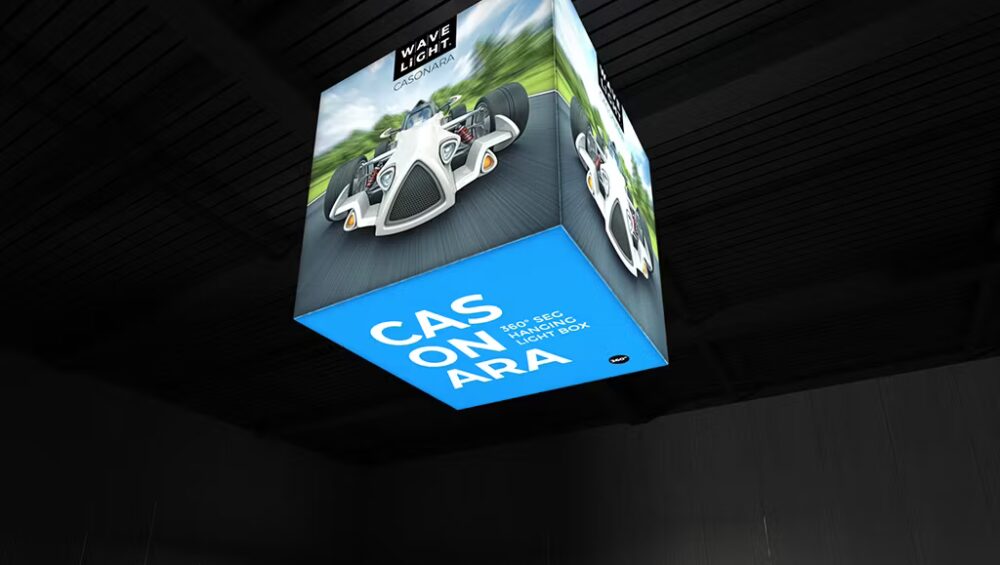
Application-Focused Uses of Exhibition Stand Kits Across Marketing Environments
Exhibition stand kits form a versatile product category that helps marketing teams create consistent, high-impact brand experiences across events, retail activations, and corporate environments. In this article, you will learn how different kit configurations meet specific objectives, and why choosing the right combination of components improves both visibility and return on investment.
General Information
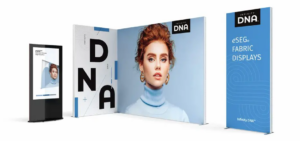
Exhibition stand kits combine frames, graphic panels, lighting, and optional accessories into coordinated systems that are easy to transport and reuse. Consequently, they reduce the time and cost of building custom stands, while still allowing for strong brand storytelling. For a quick way to explore available systems and sizes, view the selection of exhibition stand kits.
Specifications
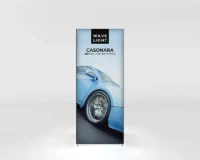
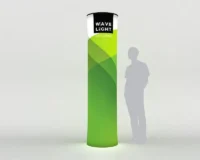
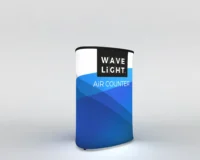
Typical kit specifications include modular frame sizes, tension fabric or panel graphics, integrated lighting and branded counters. Moreover, kits come in single-panel, island, and backwall formats, so you can match booth footprint to venue restrictions. Most kits specify weight, packed dimensions, and recommended graphic resolutions, and therefore you can plan shipping and artwork with confidence.
Product Category Highlights
This category emphasizes repeatable impact, adaptability, and cost efficiency. First, kits deliver consistent brand presentation because graphics snap into standard frames. Second, they provide scalable options, which makes it easy to upgrade or combine modules for larger exhibitions. Finally, kits offer accessory ecosystems such as literature shelves, monitor mounts, and counters that enhance interaction and lead capture.
Use Cases: Trade Shows and Corporate Events
At trade shows, stand kits help you stand out in crowded halls by providing bold visuals and clear messaging. Likewise, corporate events benefit from backwall displays that reinforce identity during conferences and presentations. Because kits are modular, you can reuse elements across multiple events, which makes them a practical long-term investment for marketing calendars.
Use Cases: Retail Activations and Pop-ups
In retail environments, exhibition stand kits translate into striking in-store displays and pop-up experiences that draw customers to product launches and promotions. Additionally, quick setup and compact transport make kits suitable for short-term activations where speed and adaptability matter most. Consequently, retail managers can rotate campaigns more frequently while maintaining visual quality.
Components and Design Features
Core components include the frame system, printed graphics, lighting, and fitted counters. Furthermore, design features such as curved frames, fabric dye-sublimation graphics, and edge-to-edge printing create immersive visuals. As a result, your messaging appears crisp from a distance and remains legible up close, which supports both brand recognition and detailed product communication.
Portability and Setup Process
Portability is a primary advantage of stand kits because they pack into transit cases and fit standard vehicles. Moreover, most kits require minimal tools and can be assembled by two people in under an hour, which reduces labor costs. For larger modular setups, sections simply lock together, therefore the system scales without complex onsite construction.
Conclusion
Exhibition stand kits offer practical, scalable solutions for a wide range of marketing environments. They combine strong visual impact with repeatable setup, which makes them ideal for teams that need to balance creativity with cost control. Consequently, whether you exhibit at trade shows, host retail activations, or support corporate events, this product category helps you deliver consistent brand experiences while maximizing budget efficiency.