Choosing the Right Exhibition Stand Kit Configuration for Your Space
Selecting the right exhibition stand kit starts with understanding the variety within the category and how each option adapts to different event spaces. Whether you exhibit at large trade shows or smaller local events, this guide explains practical ways to use exhibition stand kits so your booth looks professional and performs reliably. Therefore, you can match kit features to your goals for visibility, lead capture, and brand impact.
General information about exhibition stand kits
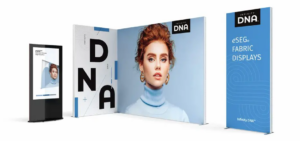
Exhibition stand kits combine modular frames, printed graphics, lighting, and accessories into ready-to-use systems that scale to many floor plans. In addition, kits are designed for repeat use, which reduces setup time and long-term costs. For example, modular frames snap together and fabric graphics stretch over frames for a clean, seamless finish, while hard panels offer more durable mounting for monitors and literature.
To explore a curated range of options, review the selection of exhibition stand kits available for different budgets and booth sizes. Moreover, these kits often include cases and packing solutions so transport and storage are straightforward.
Product range and specifications
Kits vary by size, configuration, and materials. For instance, compact 2m and 3m kits suit tight spaces, while island and corner kits expand to larger footprints. Additionally, specifications typically list frame materials, graphic substrates, lighting types, and recommended stand dimensions, which helps with venue compliance and planning.
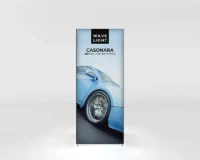
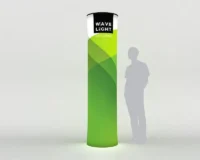
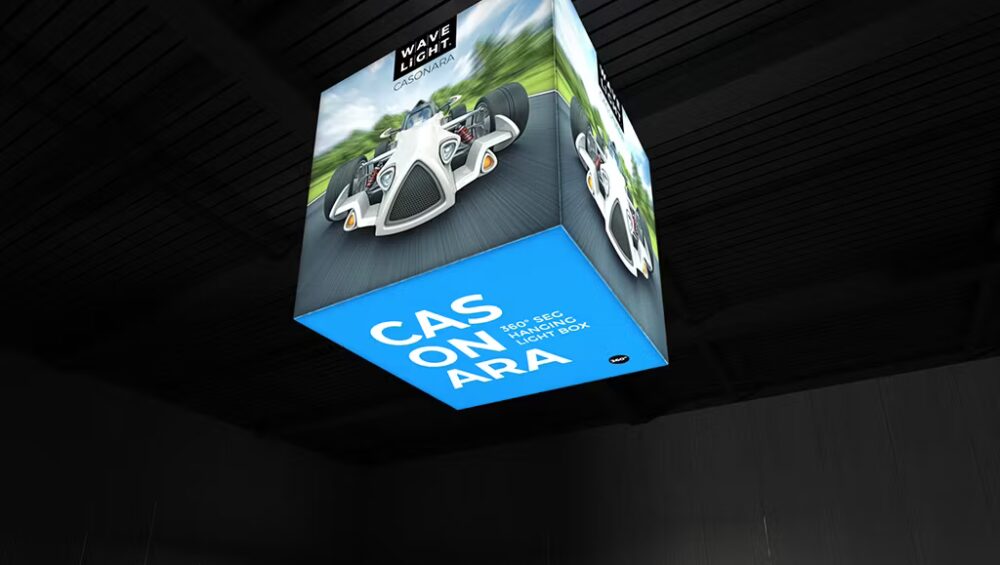
Furthermore, many kits offer optional upgrades such as integrated screens, LED backlighting, shelving, and counters. Therefore, you can select the specification level that delivers the best return on investment for your events.
Use cases: trade shows and expos
At major trade shows, modular exhibition stand kits enable fast assembly and a polished presentation. Consequently, your team can focus on engaging attendees rather than managing complex construction. In addition, kits with large-format printed backdrops and lighting create memorable brand moments that attract foot traffic.
Use cases: retail pop-ups and in-store events
For retail activations and short-term events, lightweight kits are ideal because they set up quickly and pack down into compact cases. As a result, brands can test new products and promotions with minimal logistical overhead. Moreover, portable counters and display shelves turn a small footprint into a functional sales space.
Use cases: conferences, presentations, and demos
When you need to conduct demos or present to small groups, kits that integrate AV mounts and counters support structured interactions. Consequently, you can run consistent demonstrations and collect leads efficiently. Additionally, integrated lighting and printed messaging reinforce your key points for visitors.
Product category advantages in a setting
Exhibition stand kits deliver predictable performance across venues because they are engineered for repeat assembly. Therefore, they reduce onsite surprises and downtime. In addition, customization options allow you to preserve brand identity while using standardized components, which balances creativity with cost control.
Another advantage is adaptability. For example, a single kit can be reconfigured between shows to act as an open meeting area or a product display zone, which maximizes the utility of your investment.
Creative uses of multiple products in the category
Combine different kits to create cohesive multi-zone experiences. For instance, use a large backdrop kit for brand storytelling, smaller modular islands for product testing, and branded counters for lead capture. Consequently, visitors move through a narrative journey that builds awareness and drives conversions.
Also, mix soft fabric walls with hard-panel shelving to present both imagery and physical items. In this way, you maintain visual impact while providing functional display surfaces.
Selection, portability, and setup process
When choosing kits, prioritize ease of transport and assembly. Look for tool-free frames, labeled parts, and protective flight cases. Therefore, your crew can erect the stand quickly and pack it down without damage. In addition, request setup guides and assembly videos from suppliers so you can rehearse installation before the event.
Finally, consider service and warranty options because reliable support reduces risk when you depend on a kit for multiple events.
Conclusion
Exhibition stand kits offer a flexible, cost-effective way to present your brand across many event formats. By understanding specifications, use cases, and creative combinations, you can choose kits that fit your space and marketing goals. In addition, prioritizing portability and modular design ensures you maximize return on investment while maintaining a consistent brand presence. Therefore, plan your configurations in advance and select kits that scale with your event schedule and audience needs.