Comparing Exhibition Stand Kits to Pop-Ups, Shell Schemes, and Banners
Choosing the right display solution for your next event can make a major difference in visibility, budget, and logistics. This guide explains how exhibition stand kits compare to pop-ups, shell schemes, and banners, and it highlights practical ways to use the category to achieve professional results. Read on to learn which combinations and configurations work best for different event goals.
General information about exhibition stand kits
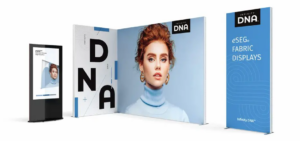
Exhibition stand kits are modular systems designed to deliver a complete branded presence in a single package. They typically include a structural frame, printed graphics, counters, shelving, and optional lighting. As a result, they offer a cohesive look with fewer separate purchases, which helps teams save time and money while maintaining a professional standard across events.
Specifications and range
Stand kits come in a variety of sizes and formats, so you can select a kit that fits your allocated floor space and booth type. For example, options range from compact 2m-width kits for tight island spaces to larger 6m-wide configurations for prominent stand locations. In addition, many kits are configurable for straight walls, curved displays, or corner setups, and they can be upgraded with accessories to suit specific presentation needs.
Components and design features
Standard components include lightweight aluminium frames, tension fabric or graphic panels, integrated counters, and LED lighting. Moreover, several kits allow tool-free assembly, and they often feature quick-release fittings that speed up installation and reduce the need for skilled labor. Consequently, you will be able to deploy a branded environment with minimal fuss.
Material quality and durability
Manufacturers focus on durable yet portable materials. Frames are commonly anodised aluminium for strength and weight savings, and graphics are printed on high-resolution, dye-sublimated fabric or robust PVC. Therefore, kits provide longevity across multiple events while continuing to present sharp, colour-accurate visuals.
Use cases and event scenarios
Exhibition stand kits suit a broad range of event types. For instance, they work well at trade shows where a consistent brand presence is vital. Likewise, they are ideal for product launches and roadshows because they are quick to set up and adapt. Furthermore, smaller businesses can use compact kits for local fairs, while enterprise teams select larger modular systems for international exhibitions.
Advantages in real-world settings
Compared to pop-ups, shell schemes, and single banners, stand kits offer several advantages. First, they deliver a unified visual identity, which improves brand recognition. Second, they reduce procurement complexity since the kit bundles core elements. Third, they provide better space utilisation through integrated counters and shelving, so you can present samples and literature without adding separate furniture.
Creative combinations and multiple product use
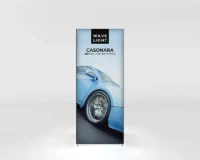
While kits are powerful on their own, you can combine them with complementary products to extend functionality. For example, use free-standing banners to create a pathway or add a pop-up display as a secondary focal point for demos. Also, when venues supply shell schemes, kits can be used as overlays to transform the basic backdrop into a branded experience. Thus, mixing products allows you to tailor sightlines and visitor flow across larger exhibition areas.
Portability and setup process
Transportability is a strong benefit of modern kits. Usually, components pack into wheeled flight cases or soft carry bags, which simplifies logistics and reduces shipping costs. In addition, the typical assembly time ranges from 20 to 60 minutes depending on size, and many teams can set up without a contractor. Therefore, stand kits help maintain control over schedules and reduce onsite expenses.
Conclusion and next steps
When you compare exhibition stand kits to pop-ups, shell schemes, and banners, the category consistently offers superior cohesion, adaptability, and long-term value. Moreover, kits reduce the number of separate purchases, streamline setup, and present a more professional appearance to visitors. For a closer look at configurations and options, discover how exhibition stand kits compare to alternatives and how these systems can enhance your exhibition experience.