Exhibition Stand Kits vs Custom Builds: Key Advantages Explained
Exhibition stand kits deliver practical advantages over custom builds for many exhibitors, and this article explains why. First, you will learn how kits save money and time, and then you will see how they improve portability, flexibility, and long-term value. Ultimately, these benefits mean better ROI and less logistical stress for teams that attend multiple events.
General information about exhibition stand kits
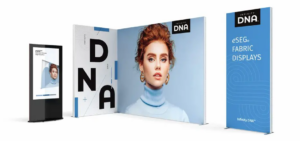
Exhibition stand kits are modular display systems designed to be reconfigured, transported, and reused across events. As a result, they suit businesses that need consistent branding with lower upfront costs. Moreover, kits often include scalable components so you can adapt your footprint without the time and expense required for fully custom builds. For more details and product options, discover how exhibition stand kits provide key advantages and how this system can enhance your exhibition experience.
Specifications to consider
When evaluating kits, pay attention to standard specifications such as frame material, panel sizes, and graphic dimensions. Typically, kits use aluminium frames for strength and light weight, and they include interchangeable fabric or PVC graphics for crisp branding. Additionally, look for compatible accessories like counters, shelving, and lighting so you can build a complete booth with consistent materials and finishes.
Use cases for exhibition stand kits
Kits work well in trade shows, conference halls, retail pop-ups, and roadshows. For example, smaller startups can deploy a compact 3x3m kit to create a professional presence, while larger teams can combine multiple kits for island stands. Furthermore, marketing departments appreciate that kits support rapid setup for last-minute events, and sales teams value portability for regional demo tours.
Product category advantages
Compared to custom builds, stand kits offer clear category-wide benefits. First, cost efficiency reduces capital expenditure and improves return on investment. Second, standardized components speed up setup and breakdown, and therefore lower labor costs. Third, portability cuts shipping expenses and simplifies storage. Finally, modular design enhances versatility so one kit can meet many event requirements, which results in long-term savings.
Components and design features
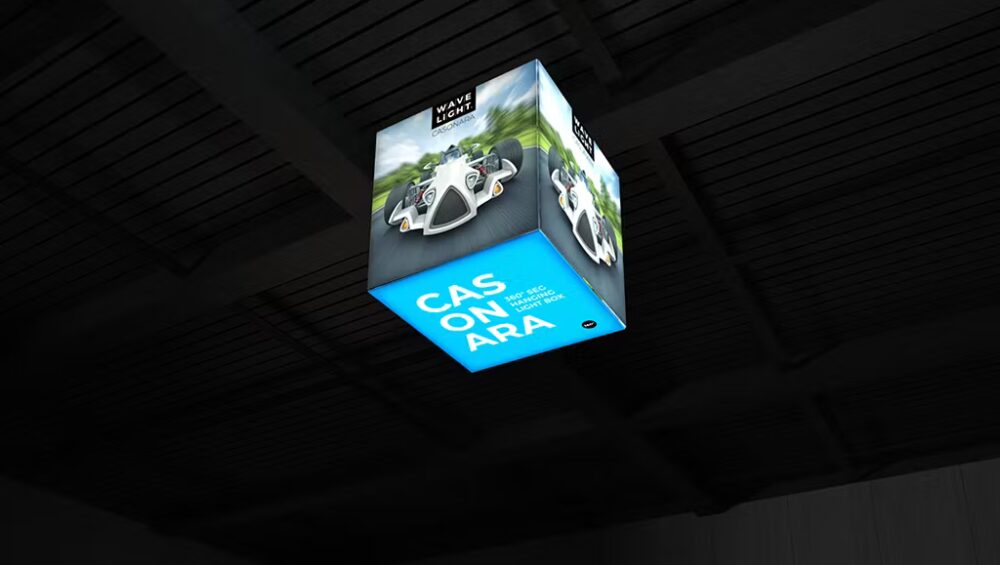
Typical components include quick-lock frames, tension fabric graphics, snap-on lighting, and fabric or laminated panels. Because these parts are engineered to work together, assembly is intuitive and tool-free in many systems. In addition, design features such as curved frames, backlit graphics, and integrated counters help you achieve a professional look without the complexity of a custom build.
Portability and setup process
Portability is one of the strongest practical advantages of kits. Lightweight frames and compact cases make transport simple, and setup can often be completed by two people in a fraction of the time needed for custom constructions. Moreover, clear labeling and repeatable assembly steps reduce the chance of mistakes, and therefore reduce event-day stress. As a result, teams gain consistent booth quality with less logistical overhead.
Conclusion
In summary, exhibition stand kits provide a compelling alternative to custom builds by combining affordability, speed, portability, and adaptability. Consequently, they are ideal for businesses that attend multiple events or need flexible display options. If you want professional appearance and measurable long-term value while keeping setup and transport simple, kits represent a smart investment that supports consistent brand presentation across shows.