Exploring the Size, Shape, and Layout Options of Exhibition Stand Kits
Exhibition stand kits form a versatile category of display solutions that adapt to booth sizes, traffic patterns, and branding goals. Whether you exhibit at trade shows, conferences, or pop-up events, understanding the variety in this category helps you choose the right combination of products for maximum impact. In addition, practical choices reduce setup time and improve visitor engagement.
General Information
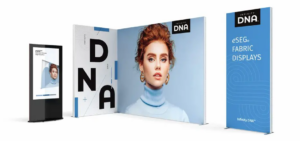
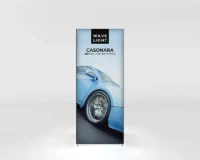
Exhibition stand kits include modular walls, pop-up frames, tension fabric backdrops, counters, and accessories. Together, these products create cohesive booth environments that look professional, and that deliver consistent brand messaging. For convenience, browse the full range of options when you are ready to compare sizes and configurations, and see how each kit suits different exhibition goals. For example, learn more about exhibition stand kits to explore curated product groupings and recommended layouts.
Size Options Overview
Exhibition stand kits come in small, medium, and large formats that correspond to common booth footprints. Consequently, you can select a kit that fits a compact 2×2 meter space or a larger island position. Additionally, many kits are available in incremental sizes so you can scale up without redesigning graphics, and therefore protect your brand consistency across events.
Shape Options and Visual Impact
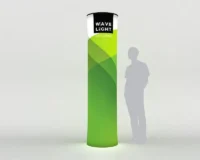
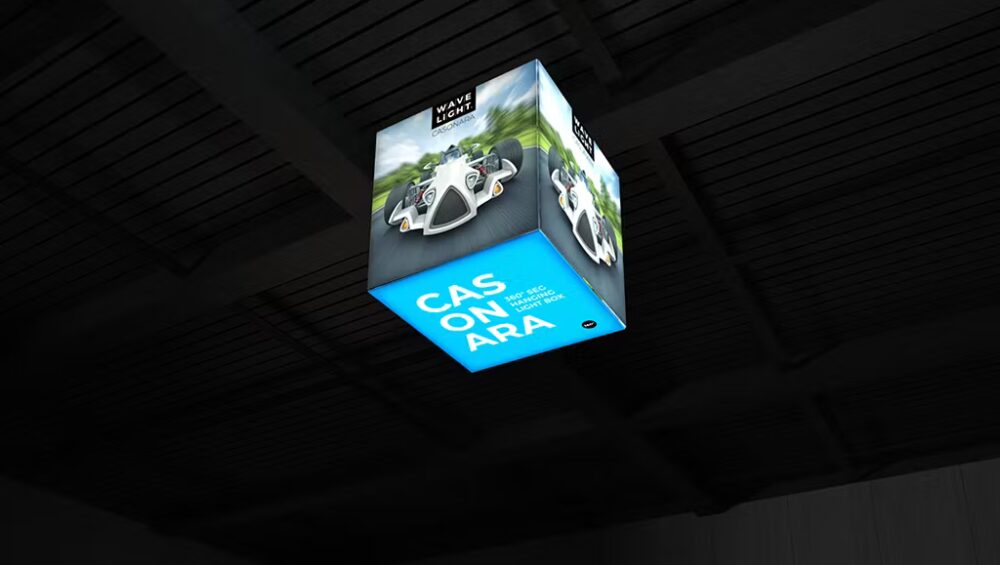
Shapes range from straight and L-shaped systems to curved and circular displays. Curved backdrops increase visibility because they create natural sightlines, while straight walls maximize graphic area for messaging. Furthermore, combining shapes produces focal points that guide visitors to product demos, and as a result increases dwell time at your stand.
Layout Configurations and Traffic Flow
Layout flexibility is crucial for effective visitor flow. For instance, open-plan layouts invite attendees into the space, while semi-enclosed layouts create private meeting zones. Moreover, configuring counters and demo areas near entrance points encourages interaction, and placing storage toward the rear keeps the front tidy. Therefore, think through traffic patterns when selecting a kit.
Multi-Unit Systems and Scalability
Multi-unit systems let you join several kits to form continuous runs or complex island stands. As a result, brands that need larger presence can scale by adding matching units with consistent graphics. Additionally, modular connectors and standardized frame sizes make expansion simple, and thus you can reuse existing components across multiple events to reduce cost per show.
Material Quality and Portability
Quality materials matter because they affect appearance, longevity, and transport. High-tension fabric prints resist creasing and deliver vibrant color, while aluminum frames stay lightweight and durable. In addition, many kits include wheeled flight cases or compact carry bags, so you can move between venues efficiently and reduce logistics headaches.
Setup Process and Best Practices
Most exhibition stand kits are designed for tool-free assembly, and therefore you can achieve professional results with minimal crew. To speed setup, label components and follow a site plan that designates where each module goes. Furthermore, test graphics before the event and prepare a checklist for lights, screens, and literature so that nothing is overlooked on opening day.
Conclusion
Exhibition stand kits offer choices in size, shape, and layout that support varied exhibition strategies. By focusing on scalability, material quality, and layout planning, you can build a booth that attracts attention and supports engagement. Finally, evaluate kits based on your target event formats and traffic goals, and then choose components that deliver lasting value and consistent brand presence.