Materials Used in Exhibition Stand Kits and How They Fit Together
Exhibition stand kits are a versatile category of products designed to deliver professional presence, durability, and ease of use for events. In this overview, you will learn how common materials combine to create reliable, attractive displays. Consequently, you can select the right kit for your brand needs and event logistics.
General information about the exhibition stand kit category
Exhibition stand kits include modular frames, printed graphics, counters, lighting, and hardware. Together, these components form ready-to-install display systems that suit trade shows, conferences, retail activations, and pop-up events. Because kits arrive with coordinated parts, they reduce planning time and simplify transport, which saves teams time and money.
Materials overview and why they matter
Frames are typically aluminium, and therefore they combine light weight with strength. Meanwhile, graphics panels use PVC, fabric, or tensioned textile to deliver vibrant prints and easy maintenance. Additionally, counters and shelving often use composite boards for rigidity and a polished finish. As a result, each material contributes to overall performance, longevity, and visual impact.
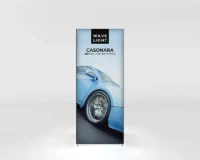
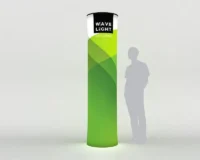
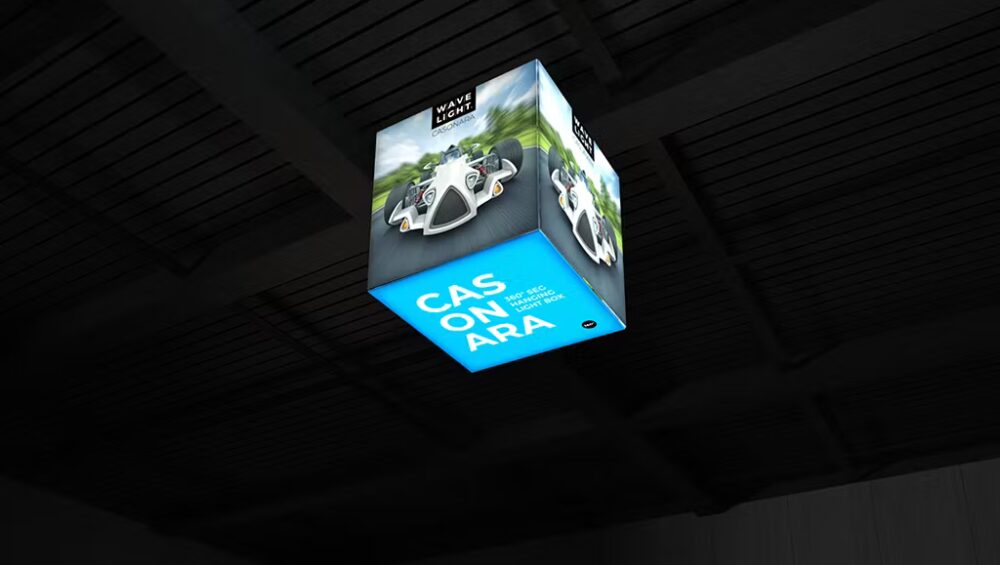
Moreover, lighting elements often use LED modules that integrate with frames, offering bright illumination while remaining energy efficient. Consequently, integrated lighting enhances brand visibility without adding significant electrical demand.
Use case: trade shows and industry exhibitions
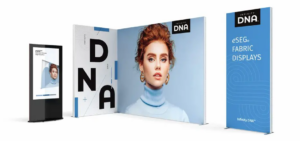
For large trade shows, modular kits provide scalable options that let you expand or reduce booth size efficiently. The aluminium frames enable fast assembly, while tension fabric graphics create seamless brand surfaces. Therefore, exhibitors benefit from consistent brand presentation across multiple events and venues.
Furthermore, durable materials stand up to frequent transport and onsite handling. Consequently, your investment performs reliably over repeated shows and protects the quality of printed graphics and structural components.
Use case: retail activations, product launches, and roadshows
In retail environments and product launches, portability and quick setup are essential. Thus, lightweight frames and snap-fit hardware let small teams install attractive displays with minimal tools. Additionally, counters and shelving integrated into kits make it easy to demo products and manage samples.
Because graphics materials resist stains and fading, retail activations keep a polished look throughout a campaign. As a result, kits designed for this setting balance visual appeal with practical durability.
Creative uses and combining multiple products
You can combine multiple kits to create immersive environments. For example, linking several modular frames creates a branded walkway, while adding backlit graphic panels introduces dramatic focal points. In addition, mixing counter units with shelving and kiosks establishes functional zones for demos, meetings, and product display.
Moreover, because many kits use standard fittings, you can swap components across systems. Consequently, teams can repurpose elements for different campaigns, which extends product life and improves return on investment.
Conclusion: choosing the right materials and kit for your needs
When selecting from the category, consider where and how often you will use the kit. Choose aluminium frames for repeated transport, tension fabric or PVC graphics for vibrant long-term branding, and LED lighting for energy efficient visibility. In addition, evaluate counter and hardware quality to ensure smooth setup and consistent performance.
Finally, explore product options to match your budget and event goals and discover how exhibition stand kits utilize materials to deliver reliable, visually compelling, and easy-to-use display systems that maximise your exhibition investment.