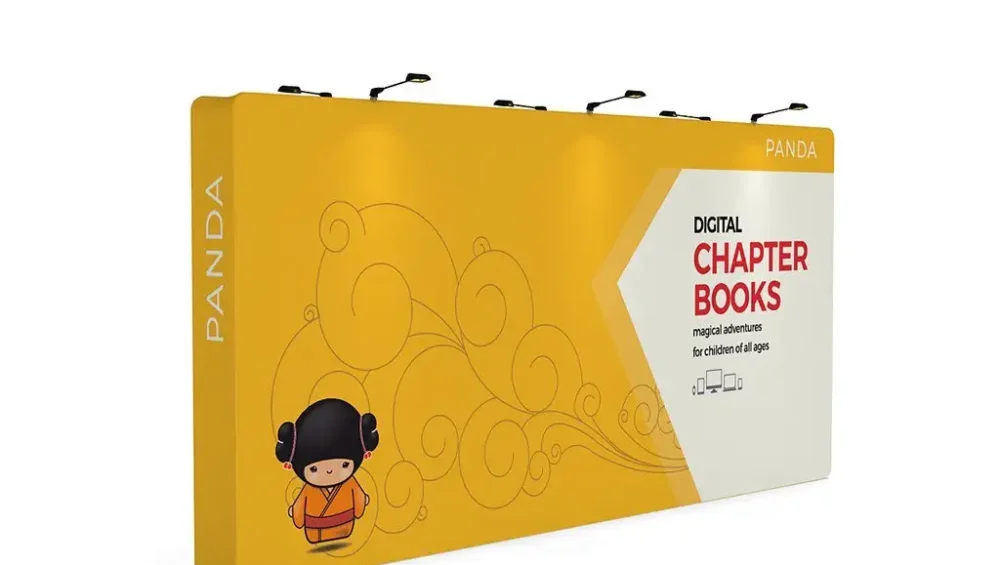
How WaveLine® Monolith Displays Are Assembled from Base to Graphic
When you choose a WaveLine® Monolith Display for your exhibition space, you get a product designed for fast setup, strong visual impact, and reliable performance. This guide explains how the display comes together from the base to the finished graphic, and it highlights the features that make assembly straightforward. Consequently, you can plan for faster installs, consistent branding, and confident presentations.
General Information
WaveLine® Monolith Displays are free-standing exhibition banners engineered to combine a sturdy base, a rigid frame, and tensioned fabric graphics. They are ideal for trade shows, retail activations, and corporate events. In addition, the modular design lets you add or remove components depending on the space and your visual goals.
Components and Structure
The system is composed of several key elements that work together to create a polished display. First, the base provides the structural foundation and keeps the display stable. Next, the frame sections connect quickly to form the support skeleton. Finally, the fabric graphic wraps and secures to the frame, producing a smooth, wrinkle-free surface. Together, these components deliver professional results with minimal effort.
Design Features and Material Quality
Each Monolith display is built with durable materials that balance lightweight portability and long-term durability. The base is constructed for rigidity, whereas the frame uses tensioned connectors to maintain straight lines. Meanwhile, the printed fabric uses high-resolution dye-sublimation for vibrant color and consistent brand reproduction. Therefore, you receive a finished surface that looks sharp under show lighting and stands up to repeated use.
Specifications
WaveLine® Monolith Displays are available in a range of sizes to suit small booths or larger inline spaces. They are supplied with modular frames and replaceable fabric graphics, and they fit standard transport cases for convenient storage. Moreover, the weight and footprint are optimized for easy handling, and the graphics are washable and simple to replace if your messaging changes.
Setup Process
Setup is intuitive and designed for teams of all experience levels. First, position and level the base. Then, insert frame sections and lock them into place. After that, slide or stretch the fabric graphic over the frame and secure the edges. Finally, check alignment and tension, and make minor adjustments to ensure the graphic sits flat. In addition, most installs take only minutes, so you can allocate more time to other booth preparation tasks.
Product Highlights and Branding
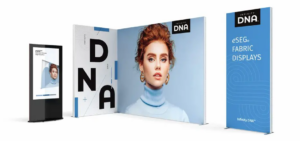
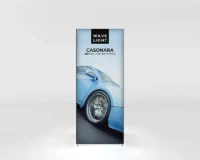
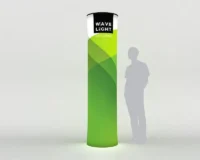
WaveLine® Monolith Displays deliver a clean vertical presence with striking graphic impact. The tensioned fabric removes wrinkles, and the frame design eliminates visible seams, so your brand appears continuous and professional. Furthermore, the system supports single- and double-sided graphics for increased visibility. Discover how WaveLine® Monolith Displays are assembled and how this system can maximize your exhibition investment.
Use Cases and Portability
Use WaveLine® Monolith Displays as backdrop walls, divider panels, or focal signage. For example, they work well behind reception counters, at product demo stations, and as directional signage in larger halls. Because the system packs down compactly, you can transport multiple units in a single vehicle, and setup does not require special tools. Consequently, the displays are a strong choice for event teams who travel frequently and need reliable, repeatable results.
Conclusion
WaveLine® Monolith Displays combine efficient assembly with premium visual results, so you present your brand with confidence. The modular base, quick-connect frame, and tension-fit fabric graphics reduce setup time while improving appearance. As a result, these displays protect your investment and enhance booth performance at every event.