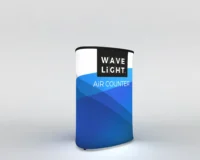
Understanding the Build Quality of WaveLine® Monolith Display Systems
When selecting an exhibition display, build quality matters because it determines durability, appearance, and total cost of ownership. The WaveLine® Monolith Display systems combine purpose-built engineering and premium materials to deliver reliable performance for frequent exhibitors. Furthermore, this product-focused guide explains how each element of the Monolith system contributes to professional show presence, easy setup, and long-term value.
General Information
WaveLine® Monolith Displays are modular tension fabric displays designed for polished, large-format visuals and rapid assembly. As a result, they are popular with marketing teams and event managers who need consistent brand presentation at shows and pop-ups. For more information on the range and to explore compatible kits, visit WaveLine® Monolith Displays.
Product Highlights
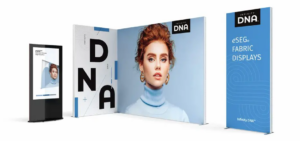
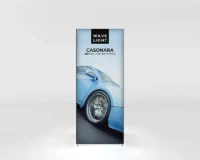
The Monolith system stands out for several reasons. First, it offers seamless, edge-to-edge graphics that deliver strong visual impact. Second, the tensioned fabric reduces wrinkles for a clean finish. Third, the combination of lightweight components and rigid support creates a balance between portability and professional stability. Consequently, exhibitors gain a display that looks premium while still being practical to transport.
Specifications
Specifications vary by kit, but common characteristics include lightweight aluminum frames, dye-sublimated stretch fabric graphics, and tool-free assembly hardware. Typically, frame profiles are engineered for strength with minimal weight. In addition, graphics are produced to resist fading and to reproduce brand colors accurately, which preserves visual consistency across events.
Design Features
Thoughtful design features make setup and display easier. For example, indexed connectors speed alignment, and internal tensioning ensures the fabric sits flat without visible seams. Moreover, optional lighting and shelving integrations allow customization for product demo areas or focal points. Therefore, the Monolith system adapts well to both minimalist brand displays and more elaborate booth builds.
Material Quality
Material selection affects longevity and appearance. The Monolith frames use corrosion-resistant aluminum, which reduces wear during repeated assembly and transport. Meanwhile, premium stretch fabrics deliver saturated color and resist stains. As a result, your branding stays vibrant show after show, and maintenance remains straightforward.
Portability and Setup Process
Portability is built into the Monolith design. The components break down into compact sections and pack into protective cases for travel. In practice, two people can assemble a typical kit quickly thanks to tool-free connectors and clear indexing. Consequently, setup time is reduced and labor costs at events are minimized. In addition, the fabric graphics are machine washable, which simplifies care between shows.
Use Cases and Components
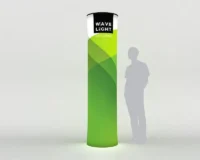
Use cases for the Monolith system include trade show booths, retail pop-ups, press walls, and conference backdrops. Components such as bases, vertical frames, and bespoke graphic skins combine to create walls, islands, and curved runs. Furthermore, the modular nature lets you reconfigure the same components for different event footprints, which improves return on investment.
Conclusion
In summary, WaveLine® Monolith Display systems are engineered to deliver durability, visual impact, and practical portability. Because the system integrates strong frames, premium fabrics, and thoughtful assembly features, it supports consistent brand presentation across many events. Ultimately, choosing a Monolith kit helps exhibitors protect their investment while presenting a professional, high-quality image at every show.