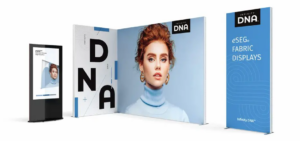
How Flags and Pull-Up Banners Are Constructed and Assembled
Flags and pull-up banners form the backbone of many exhibition and retail displays, and understanding how they are constructed and assembled helps you choose the right solution for each event. This article explains category-level construction principles, common components, practical setup tips, and creative combinations so you can plan displays that look professional, last longer, and deliver impact.
General information about the category
Flags, pull-up banners, and poster stands offer lightweight, reusable display options that scale from small pop-ups to large trade shows. In addition, they come in a range of sizes, materials, and mounting styles to suit indoor and outdoor use. If you want to review the full selection and configurations available, see Flags, Pull-Up & Poster Stands for an overview of category options and specifications.
Components and materials
Each product in the category shares a few common components. Typically, stands include a base or foot, a mast or pole system, and fasteners that secure graphics. Meanwhile, graphics are printed on fabric, vinyl, or composite substrates that balance image fidelity and durability. Furthermore, reinforcement elements such as hemmed edges, silicone beading, or pole pockets are added to key stress points to reduce wear and improve longevity.
Design features that matter
When comparing products, look for features that simplify assembly and improve appearance. For example, retractable casings on pull-up banners protect the print during transport and enable single-person setup. Flag systems often use flexible poles and spike or cross bases to suit soft or hard surfaces. Moreover, interchangeable graphics and quick-release fittings let you update messaging without replacing hardware.
Print quality and finish options
High-resolution dye-sublimation on fabric provides vivid color and a seamless look, whereas solvent-printed vinyl offers durability for outdoor use. Additionally, matte or gloss finishes affect readability under different lighting conditions. Choose finishes based on venue lighting and the expected viewing distance to optimize clarity.
Assembly and setup process
Most category products are designed for fast, tool-free assembly to save time at events. For example, pull-up banners generally require you to extend the mast, lift the graphic, and lock it into the cassette. In contrast, flag setups usually involve inserting the mast into the base and sliding the graphic onto the pole. Consequently, training time is minimal, and teams can achieve consistent, repeatable setups.
Portability and storage
Transport cases and protective cassettes are standard with many products to prevent damage during transit. As a result, you can stack units in vans and store them compactly between events. Additionally, lightweight aluminum or composite frames reduce carry weight while maintaining rigidity on-site, which is important when staff handle multiple setups across a single day.
Use cases and creative combinations
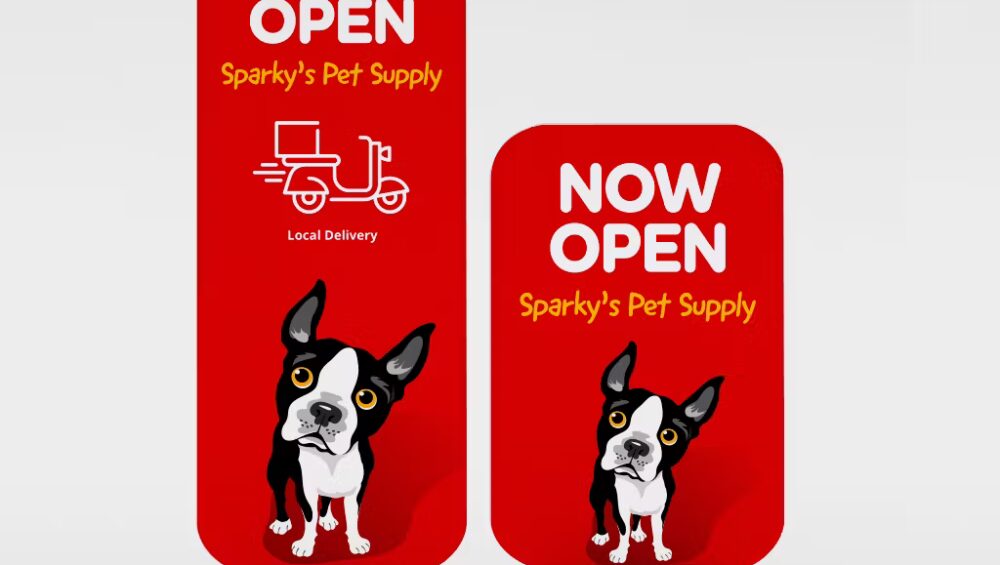
Exhibitors often combine flags with pull-up banners and poster stands to create layered visual hierarchies. For example, use tall flags for wayfinding, pull-up banners for product messaging, and poster stands for detailed information. In addition, groupings of the same graphic across different formats reinforce brand recognition and guide attendee flow through booths and retail displays.
Advantages and long-term benefits
Choosing well-constructed category products reduces replacement costs and shortens setup time, which yields a better return on investment. Durable materials and modular components also allow for easy graphic refreshes, so your messaging stays current without new hardware purchases. Therefore, thoughtful selection supports both budget and brand consistency over many events.
Conclusion
Flags, pull-up banners, and poster stands provide versatile, cost-effective display solutions. By focusing on durable materials, smart design features, and straightforward assembly, you can create displays that perform reliably across events. Ultimately, selecting the right combination from the category helps you communicate clearly, save time, and protect your investment while delivering professional presentation quality.