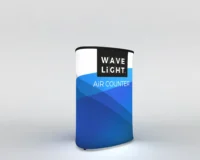
Understanding Base Types, Heights, and Display Formats
When you need exhibition banners that perform reliably at trade shows, retail events, or corporate promotions, understanding base types, height options, and display formats helps you choose the right solution. In this guide we focus on practical product details so you can select a display that maximizes visibility, simplifies setup, and protects your investment.
General Information
Exhibition banners such as flags, pull-up stands, and poster stands come in a range of base types and display formats designed for different environments. For example, weighted bases add stability in busy venues, while compact bases prioritize portability for frequent travel. Explore specific collections like Flags, Pull-Up & Poster Stands to compare styles, sizes, and compatible accessories.
Product Highlights
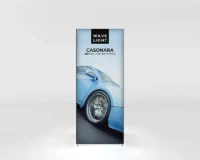
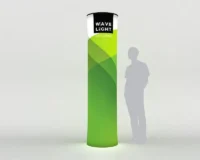
First, consider stability and durability. High-quality bases are reinforced, corrosion resistant, and engineered to resist tipping. Second, height options matter for sightlines. Taller pull-up stands and feather flags increase brand exposure, whereas shorter poster stands work well at eye level near counters. Finally, display formats provide flexibility. Choose single-sided or double-sided graphics, modular panel systems, or banner walls depending on your messaging needs.
Specifications
Check the specifications before you buy to ensure fit and performance. Key specs include base diameter or footprint, maximum graphic height, material thickness, and weight. In addition, look for compatible graphic sizes, supported wind resistance for outdoor flags, and the maximum travel weight for portable units. These metrics will directly impact setup, shipping costs, and on-site stability.
Components and Material Quality
Quality components create reliable displays. Bases are typically made from steel, aluminum, or ABS plastics, and poles are often anodized aluminum for strength and light weight. Graphics use polyester or vinyl with dye-sublimation or solvent printing for vivid, long-lasting color. Moreover, reinforced hem stitching and silicone or Velcro edges improve graphic tension and lifespan.
Portability and Setup Process
Portable banners are designed for easy setup and rapid breakdown. Most pull-up banners feature a spring-loaded cassette that retracts the graphic, while flags use pole pockets and hub systems for fast assembly. Carry cases with wheels protect components during transit, and modular systems break down into compact sections for airline-friendly packing. As a result, setup can often be completed in minutes without tools.
Use Cases
Choose display types based on event goals. Use tall flags to draw attention across crowded show floors, pull-up banners for booth backdrops, and poster stands at registration or point-of-sale areas. For multi-day events, invest in durable bases and replaceable graphics to refresh messages while reusing hardware. Additionally, portable systems work well for roadshows where quick installs and consistent branding are required.
Design Features and Display Formats
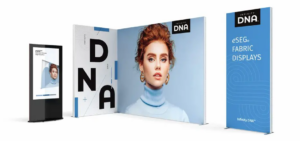
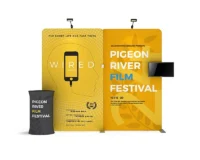
Design choices influence impact and usability. Double-sided graphics double exposure from both directions, while segmented panels let you mix messaging and imagery. For cohesive exhibits combine a central banner wall with perimeter poster stands to guide traffic flow. Furthermore, adjustable height poles and interchangeable bases let you tailor displays to venue constraints and audience sightlines.
Conclusion
Understanding base types, heights, and display formats helps you select exhibition banners that meet your practical needs and marketing goals. By focusing on product specifications, material quality, portability, and the right display format you will create consistent brand presentations that engage visitors and withstand repeated use. When you are ready to upgrade your event presence, prioritize stable bases, the right height options, and versatile formats to get the most value from your investment.