Why Lightweight Flag Displays Are Preferred Over Fixed Structures
Lightweight Flag Displays offer a clear advantage over fixed structures for event professionals, marketers, and venue managers who value flexibility and cost control. In addition to simplifying transport, these displays reduce setup time and free up storage space, so you can focus on engagement and design. Below we outline practical reasons to choose lightweight flags and how they perform in real-world event environments.
General Information: What Defines Lightweight Flag Displays
Lightweight Flag Displays are portable banners designed for rapid deployment. Typically, they use aluminum or composite poles and polyester or knitted fabrics, which combine low weight with strong visual impact. As a result, you get crisp graphics and reliable tension without the bulk and permanent footprint of fixed structures.
Material Quality and Durability
Although they are light by design, many flag displays use high-quality materials that resist tearing and fading. Moreover, modern printing techniques produce vibrant, UV-resistant graphics that maintain brand visibility over multiple events. Therefore, you enjoy durable signage that still packs down to a small package for transport and storage.
Design Features and Portability
Design choices such as interchangeable poles, snap-fit connectors, and carry bags make these displays highly portable. Additionally, weighted bases or ground pegs add stability when needed, so you do not sacrifice safety for convenience. Consequently, you can adapt the same display to indoor trade shows and outdoor festivals with minimal effort.
Shipping and Storage Advantages
Because they are compact and light, flag displays lower shipping costs and simplify logistics. For example, a single courier shipment can carry multiple units, and cases stack efficiently in storage rooms. As a result, teams that travel frequently spend less on freight and experience fewer delays during event transitions.
Setup Process and Handling Ease
Setup typically takes just minutes, and only one person is often required to erect or adjust the display. Furthermore, quick-release fittings and intuitive assembly instructions reduce the risk of damage during setup, so you can focus on placement and visitor flow. Therefore, staff training time is shorter and onsite adjustments are easier.
Use Cases Across Events
Lightweight flag displays perform well across a variety of event types, including trade shows, pop-up shops, outdoor activations, and conferences. For instance, they work well as directional signage, brand markers at busy entrances, and focal points on a booth island. Additionally, their portability makes them ideal for roadshows and multi-city campaigns where consistent presentation matters.
Creative Combinations and Multi-Product Solutions
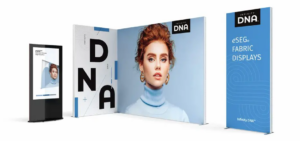
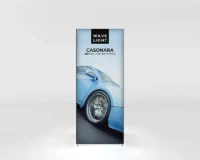
Combine lightweight flags with roll-up banners, table covers, and modular stands to create layered brand environments that draw attention. Moreover, coordinated sets enable you to tell a visual story and guide traffic through a space. Discover how Flags, Pull-Up & Poster Stands provide lightweight preference and how this system can streamline your event participation. By integrating multiple display types, you maximize impact while keeping total transport weight low.
Conclusion: Key Benefits and Final Recommendation
In summary, Lightweight Flag Displays deliver portability, durability, and cost savings that fixed structures cannot match in many event scenarios. They reduce shipping and storage costs, speed up setup, and allow flexible placement while preserving strong visual presence. Therefore, if your priorities include frequent travel, fast deployment, and adaptable design, these displays offer a practical and efficient solution that supports both short-term activations and long-term brand programs.