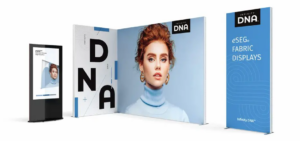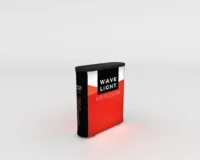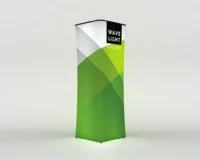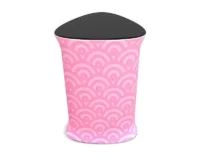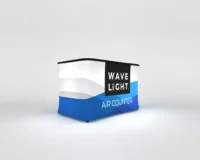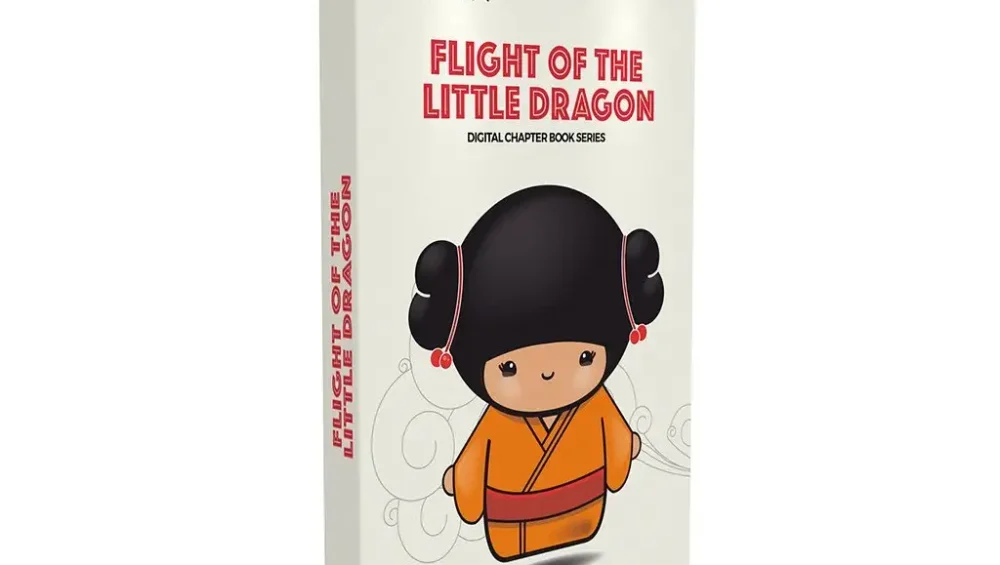
Understanding what WaveLine® Monolith Banners are made of is essential if you want a display system that stands out in busy UK venues while remaining practical for regular use. Built from tensioned fabric graphics and streamlined tubular frames, these structures deliver a polished, contemporary finish that looks markedly more premium than many conventional banner stands. For marketing teams under pressure to set up quickly yet impress clients and stakeholders, the combination of refined aesthetics and robust engineering can be a decisive advantage when selecting new portable branded displays.
What Are WaveLine® Monolith Banners Made Of?
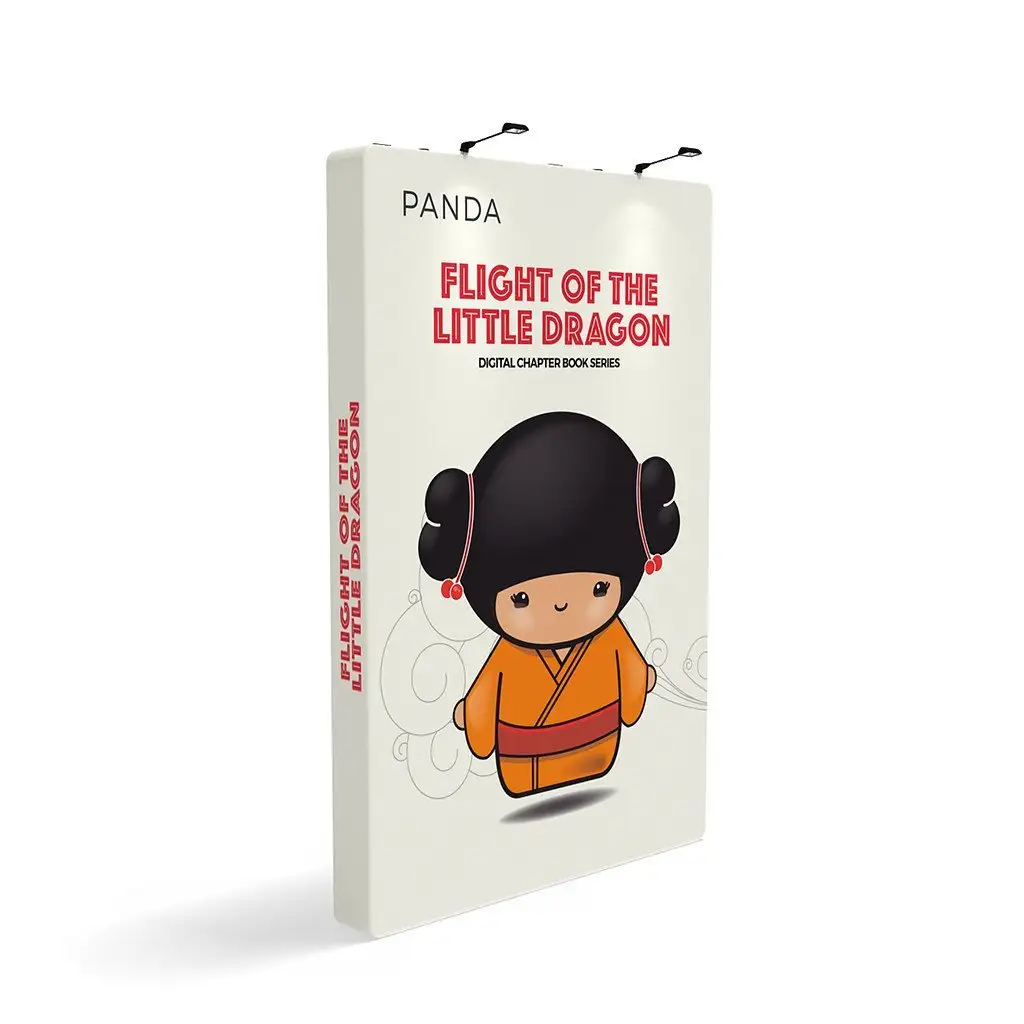
The primary materials in WaveLine® Monolith Banners are stretch polyester fabric and lightweight aluminium tubing, working together to form a rigid, monolithic shape with minimal visible hardware. Unlike many portable exhibition stands that rely on vinyl panels or bulky cassette bases, the taut fabric sleeve slides smoothly over the frame to create a seamless, architectural profile. This construction not only reduces visual clutter but also offers a more design-led appearance, supporting brands that prioritise high-end presentation across multiple events and locations.
Fabric Graphics: Print Quality and Professional Finish
The polyester knit fabric is specifically engineered for dye-sublimation printing, allowing colour to be embedded directly into the fibres rather than sitting on the surface. This delivers lightweight exhibition graphics with rich tones, fine detail, and a soft, matte finish that avoids glare under spotlights or strong ambient lighting. Because the material stretches evenly, it tensions cleanly over the frame with no obvious creases, giving a more polished front-of-house look than many custom fabric displays that rely on clips or visible fixings.
Aluminium Frames: Strength, Portability, and Sustainability
The internal framework is formed from precision-engineered aluminium tubing, designed to be both strong and extremely portable. Compared with heavier steel systems or traditional modular trade show stands, the push-fit aluminium sections are easier to carry, assemble, and repack, particularly when staff have limited time on-site. Many systems feature numbered or colour-coded components, ensuring repeatable, tool-free setup that reduces labour costs over time. Aluminium’s recyclability also supports organisations seeking reusable display solutions that align with wider sustainability policies.
Practical Advantages Over Conventional Banner Systems
Beyond their core materials, these structures provide several functional benefits that differentiate them from standard roller banners or rigid premium event signage. Double-sided fabric allows messaging to be visible from multiple aisles, improving engagement in crowded halls without expanding your footprint. The graphic sleeve can usually be replaced independently of the frame, enabling cost-effective campaign refreshes compared with single-use outdoor advertising solutions or printed boards. When combined with other illuminated fabric displays or LED backlit banner systems, they can form a cohesive visual environment for product launches and brand activations.
For marketing teams comparing options, the key decision factors generally include print longevity, ease of handling, and overall presentation quality. Waveline Monolith Banners perform strongly across these criteria, thanks to colourfast dye-sublimation prints, robust yet lightweight frames, and a sophisticated monolithic silhouette. Whether used as standalone features or integrated alongside compact display lightboxes and other portable exhibition stands, they provide a reliable, future-proof platform for campaigns. To specify your next system with confidence, discuss your objectives, event schedule, and space constraints with a specialist who can recommend the most suitable configuration for your organisation.