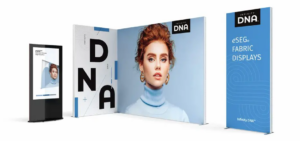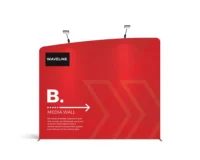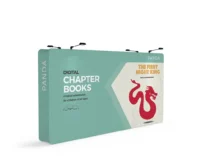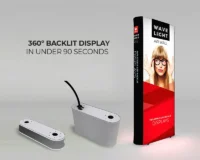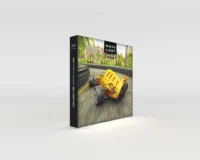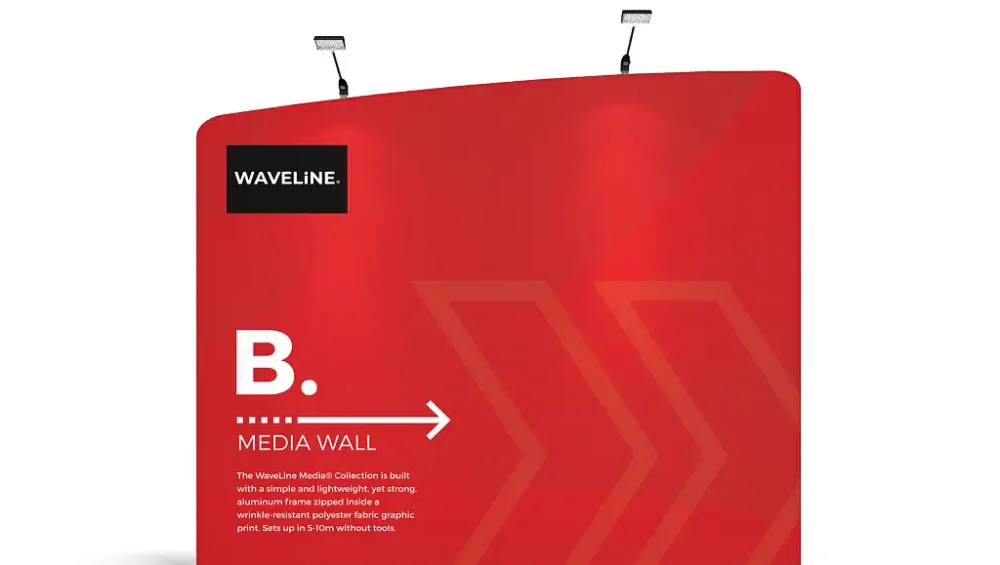
Comparing WaveLight Tension Fabric Banners and rigid signage for exhibitions and trade shows in the UK is no longer a purely creative choice; it is a strategic branding and budget decision. As event programmes restart at scale, marketers are rethinking how hardware, graphics, and logistics support wider experiential and sustainability goals.
The most effective exhibition environments now treat signage as a flexible, data-led media asset rather than a fixed cost line.
Why the shift from rigid boards is accelerating
UK brands face rising venue costs, shorter build windows, and tighter ESG reporting, which makes heavyweight boards less attractive. Traditional foamex and acrylic panels still have a role, but their single-use tendency conflicts with circular design ambitions. In contrast, lightweight exhibition banner systems and custom fabric display solutions let teams redeploy structures across roadshows, conferences, and retail activations without redesigning from scratch. This operational agility increasingly differentiates high-performing event programmes from those stuck in a print-and-dispose cycle.
How WaveLight Tension Fabric Banners change the playbook
WaveLight Tension Fabric Banners pair slim aluminium profiles with backlit, dye-sublimated graphics to create cinematic light walls that install in minutes. Because they are tool-free exhibition stand frames, marketing teams reduce reliance on contractors and overtime-heavy build schedules. Illuminated fabric trade show stands tend to perform strongly on dwell time and photography, boosting social reach and post-show content value. When messaging changes, washable branded fabric panels can be re-skinned while the frame travels from show to show in compact cases.
Where rigid signage still leads
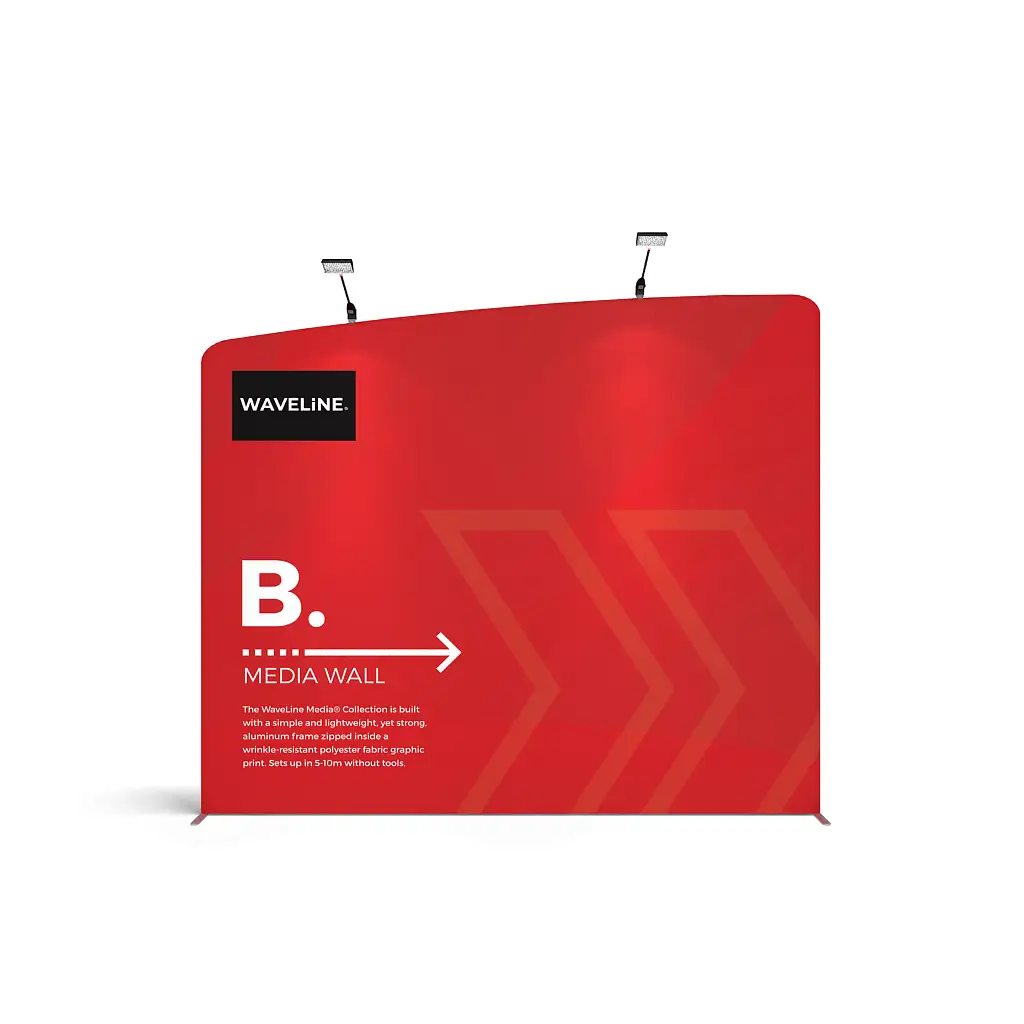
Rigid signage remains essential wherever permanence, impact resistance, or architectural integration is critical. Exterior totems, structural fascias, and core wayfinding demand substrates that tolerate cleaning, weather, and constant handling. Premium tension fabric signage cannot yet replace aluminium composite in exposed outdoor locations or for landlord-controlled fascias. The smartest organisers therefore plan reusable trade show display kits that mix durable rigid panels for fixed messaging with portable tension fabric stands for campaign-led storytelling.
Looking ahead, the most resilient UK portable display graphics strategies will be hybrid by design. Modular fabric event backdrops can flex from 3 m trade show walls to retail pop-ups, while rigid panels provide reassuring physical cues in entrances and check-in zones. When underpinned by high-quality banner printing and disciplined content planning, this ecosystem approach reduces waste, supports sustainability reporting, and keeps brand experiences visually coherent across multiple venues. Now is the moment to audit your hardware, retire single-use boards, and prioritise systems that balance permanence with agility.
To move from ad hoc ordering to a future-fit signage strategy, map your next 12–18 months of events, then identify which touchpoints truly require rigid permanence and which would benefit from flexible fabric. Use that insight to brief a display specialist on building a hybrid framework that controls total cost of ownership while elevating visitor experience. Finally, review your current event or in-store signage mix and plan where Wavelight Tension Fabric Banners can unlock new visual impact without inflating logistics and labour costs.