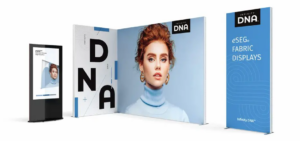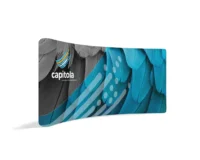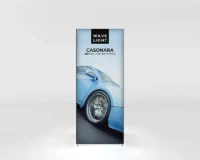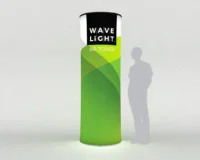
In a crowded events calendar and a challenging economic climate, marketers can no longer treat display hardware as a disposable commodity. The choice between Waveline Media Banners and traditional displays now has direct implications for budget control, agility, and brand perception across an entire exhibition programme. For organisations seeking UK exhibition display solutions that balance impact and practicality, reframing displays as long-term assets rather than one-off purchases is becoming a strategic imperative.
Forward-thinking marketers are no longer asking “What’s cheapest for this show?” but “What display ecosystem will future-proof our brand over the next three years?”
Waveline Media Banners vs. traditional displays: what really changes?
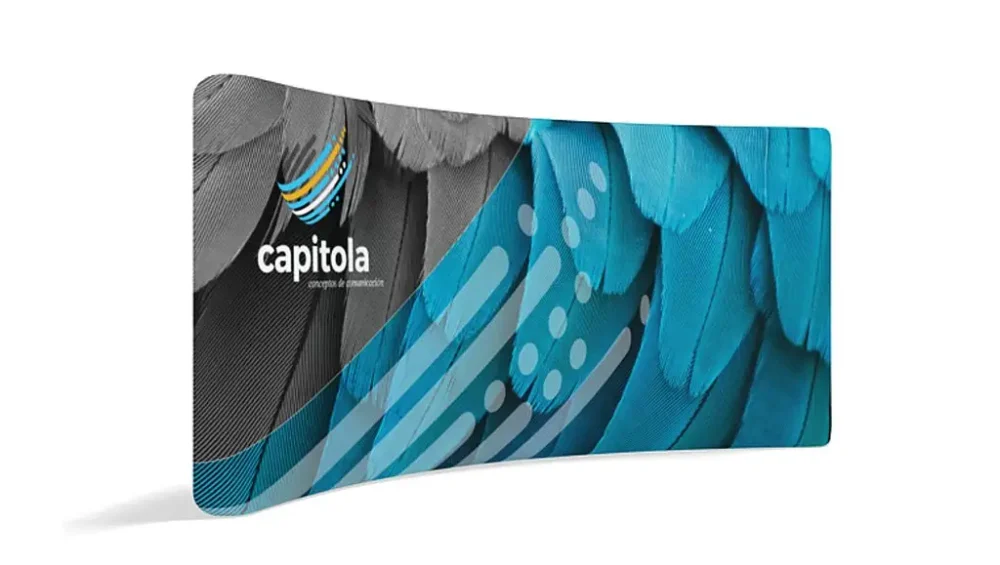
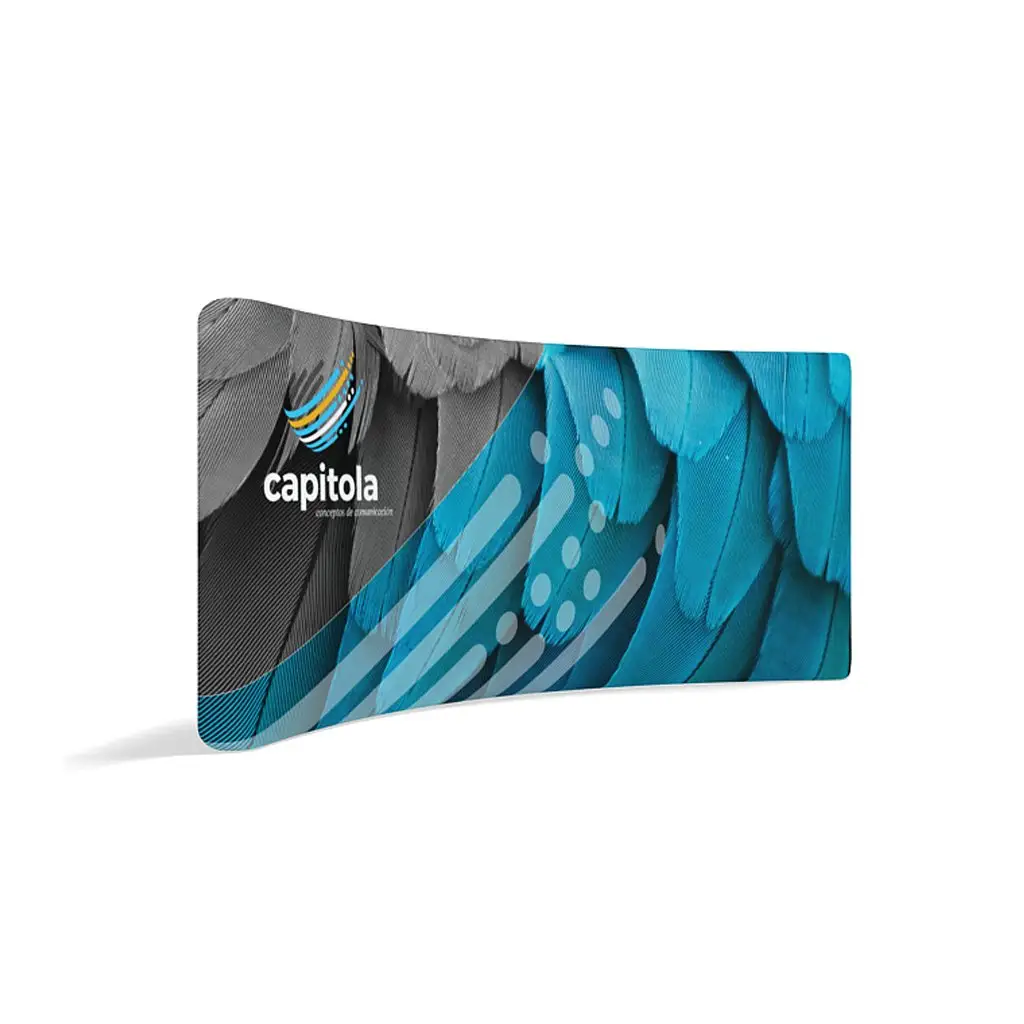
At a technical level, Waveline Media Banners use tensioned textile graphics over lightweight display frames, delivering a smooth, glare-free surface that photographs well and looks premium under harsh venue lighting. Conventional retractables and PVC pop-ups, by contrast, rely on rigid mechanisms that are vulnerable to creasing, edge curl, and reflective hotspots. This shift towards custom fabric displays is not merely aesthetic; it enables more immersive storytelling through sweeping visuals, curved structures, and seamless fabric trade show backdrops that feel more like branded environments than temporary signage.
Operational efficiency and total cost of ownership
For marketing leaders accountable for ROI, the real differentiator is lifecycle value. Fabric graphics are generally machine-washable, easily re-skinned, and suited to reusable event branding graphics, meaning the same hardware can support multiple campaigns over several seasons. When compared with frequently replaced vinyl units, the savings in replacement spend, storage, and freight—especially with portable exhibition stands and compact booth display kits—can be substantial. The ability for two team members to assemble a full stand without tools also reduces reliance on contractors and minimises on-site risk.
Challenging assumptions about “cheap” banner hardware
Many UK organisations still default to basic trade show banner solutions because unit prices look attractive in isolation. Yet when courier surcharges for heavy cases, repair attempts, and the invisible cost of a forgettable stand are included, the economics shift in favour of fabric-based portable fabric banner stands. Strategic teams now evaluate modular trade show systems against three lenses: financial performance over three years, environmental footprint, and contribution to measurable engagement. Under that scrutiny, tension fabric display walls and similar systems often represent a smarter capital investment than repeated low-value purchases.
The decision is rarely all-or-nothing. High-performing stands typically pair a fabric backdrop with targeted messaging on smaller pull-ups to handle last-minute offers or regional nuances. The most effective UK marketers start with their annual events roadmap, travel patterns, and staffing model, then match formats to use cases: flagship shows, roadshows, and partner events may all demand different configurations. As you reassess your approach, explore how a core fabric ecosystem can anchor your booth while leaving room for agile additions and lightweight display frames that plug into the same architecture.
For brands ready to move beyond tactical buying, the next step is a strategic review of your current kit, costs, and engagement data. Analyse which elements genuinely influence visitor dwell time and lead quality, and where traditional hardware is simply “filling space”. Then, explore how Waveline Media Banners can integrate with your existing assets to create a cohesive, future-ready platform. If you are unsure where to start, speak with an exhibition specialist about mapping a three-year hardware roadmap that aligns with your brand, budgets, and sustainability goals.