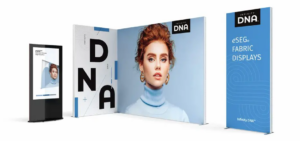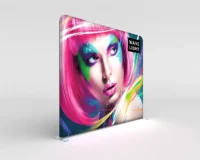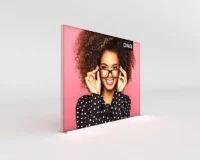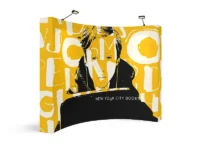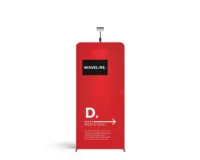
Illuminated tension fabric displays are increasingly shaping how brands cut through at crowded conferences, exhibitions and corporate events across the UK. For organisers, the challenge is no longer whether these systems are effective, but which configuration best supports brand visibility, wayfinding and content capture. Among the options, Wavelight Tension Fabric Banners are attracting attention for their slim LED profiles, even illumination and relatively low logistical demands for busy marketing teams.
Understanding illuminated fabric banners as a solution
At their core, these displays combine lightweight aluminium frames, silicone-edged graphics and integrated LEDs to create bright, uniform backlighting. Compared with traditional pop-ups or roller banners, lightweight fabric banner systems offer cleaner lines and fewer glare issues on camera, which matters for hybrid events and broadcast footage. For buyers weighing up custom fabric display solutions, the main variables are footprint, brightness, ease of assembly and how quickly graphics can be swapped between campaigns.
Key use cases at UK venues
In practice, organisers deploy illuminated tension fabric displays in several distinct ways. At exhibition entrances, tall towers and arches act as beacons, reinforcing event branding while guiding visitors towards registration. Inside halls, trade show fabric backdrops provide a consistent visual frame for product demos and panel sessions, helping stands stand out in aisles crowded with competing signage. Because many systems are designed as portable exhibition banner kits, the same hardware can move between roadshows, conferences and regional sales events.
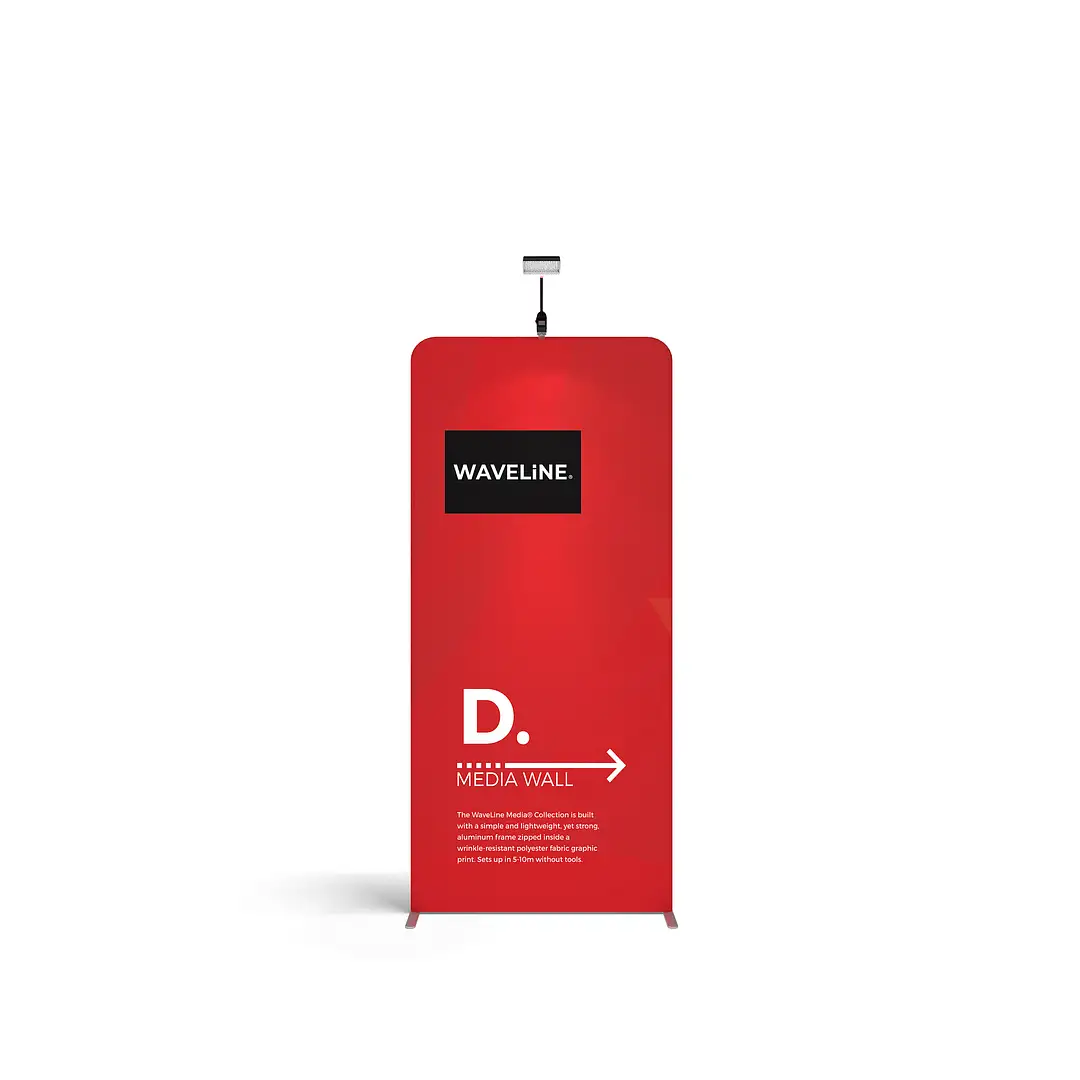
Comparing systems, print quality and reusability
When comparing UK exhibition display stands, decision-makers often weigh hire versus purchase, single-use versus reusable event display graphics, and standard sizes versus bespoke builds. Buyers looking for portable tension fabric stands tend to prioritise tool-free assembly, flight cases and the ability to check units into standard vehicles. Print quality is another differentiator: premium textile banner printing and high-quality banner printing can significantly affect colour accuracy for logos and photography, particularly under mixed venue lighting.
- Clarify whether the banner must perform primarily as branding, wayfinding or a presentation backdrop.
- Assess venue lighting levels to determine if full backlighting or edge-lit solutions are required.
- Check assembly time, weight and case size against your crew numbers and travel plans.
- Consider how often graphics will change across your event calendar and budget for re-skins.
- Review safety certifications, fire ratings and power requirements with venue technical teams.
For teams juggling multiple shows, modular fabric display walls can offer a pragmatic compromise between flexibility and cost. Frames can reconfigure from straight backdrops to L-shaped or U-shaped environments, with accessories such as shelves, counters and screens added when needed. Marketers focused on sustainability often look for lightweight systems that minimise transport emissions while still delivering the impact of illuminated hardware. In that context, Wavelight Tension Fabric Banners present one route to scalable, reusable branding without committing to fully custom builds or one-off sets.
Ultimately, selecting the right mix of solutions means mapping event objectives against space, budget and technical constraints, then shortlisting suppliers who can advise on hardware, graphics and logistics end to end. Speaking with a display specialist can help you benchmark options, from simple freestanding frames to complex, illuminated kits, and decide where to invest in impact versus reusability. If you are planning your next run of shows, it may be the right moment to review your current kit, compare illuminated systems side by side and book a consultation to identify which configuration will work hardest for your brand all year round.