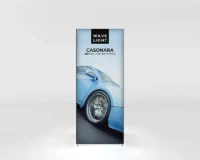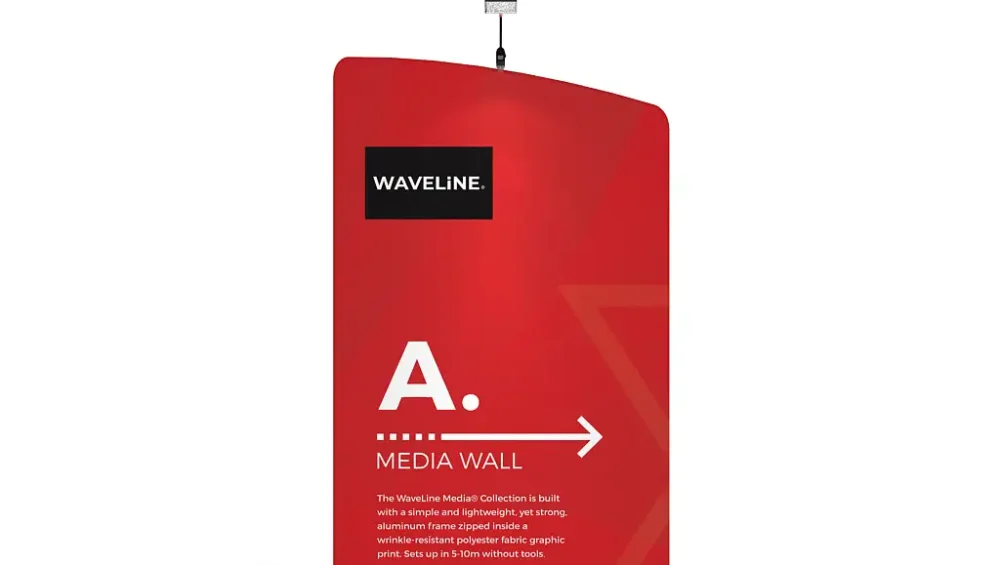
How Easy Are Waveline Media Banners to Transport and Store?
For many UK exhibitors, the question of how easy Waveline Media Banners are to transport and store masks a wider logistical problem. Marketers often underestimate how much time, space, and physical effort their display kit really demands. In theory, modern systems look compact and manageable; in practice, they must survive crowded trains, small car boots, tight venue loading bays, and back-to-back events. When planning an exhibition calendar, the gap between brochure promises and day-to-day reality can quickly become costly.
Understanding the Hidden Hassles of Event Displays
Portable exhibition stands are sold as a cure-all for tight schedules and lean teams, yet transport and storage remain a major pressure point. Heavy cases, awkward dimensions, and fragile components turn simple journeys into mini logistics operations. UK exhibition display systems that appear streamlined on paper can still demand trolleys, extra staff, or taxis when used regularly. Over a full season, these frictions erode budgets and staff morale, even when the graphics and messaging perform well on the show floor.
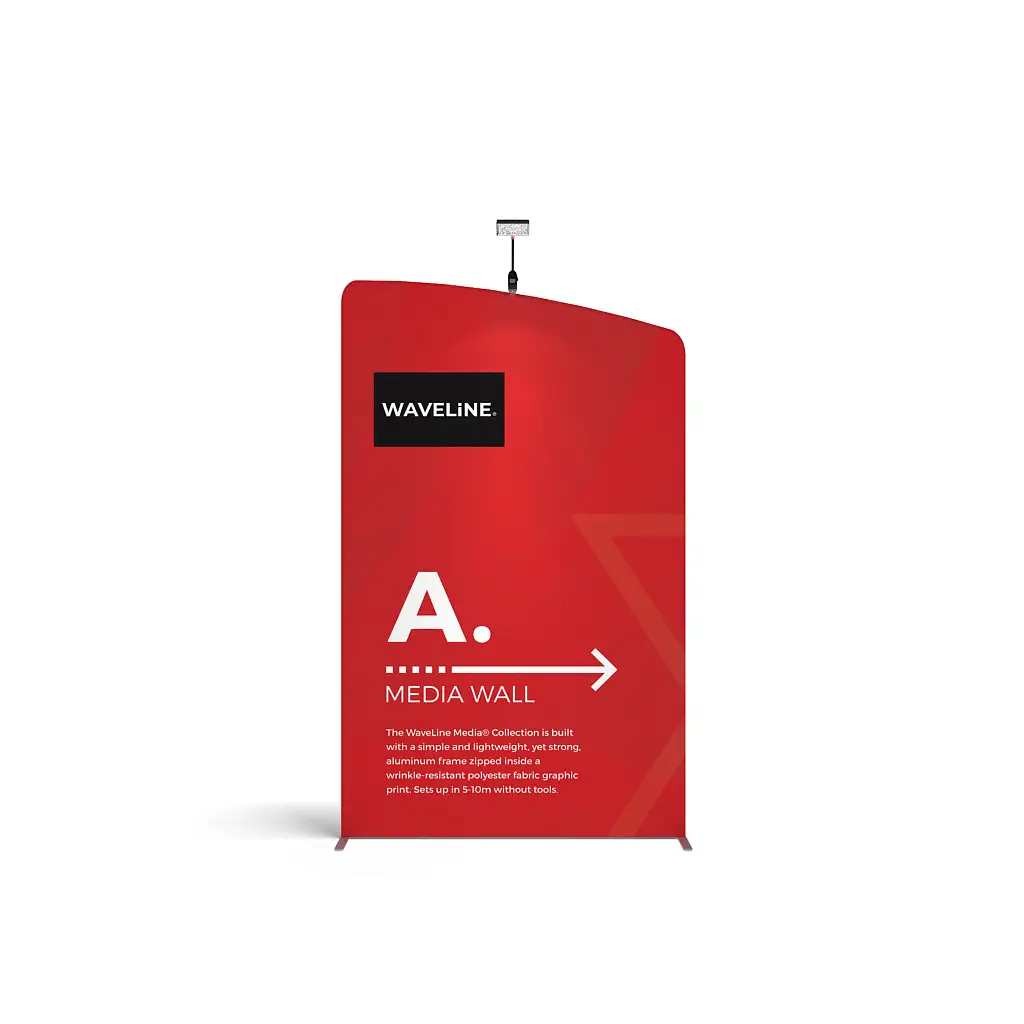
Why Transport and Storage Really Matter
Logistics around display systems are often treated as an afterthought, yet they directly affect stand performance and staff efficiency. When kits are too heavy or complex, teams arrive early just to wrestle with hardware before doors open. Frequent exhibitors may notice they are booking larger vehicles or couriers simply to move graphics and frames. Over time, this undermines the financial case for custom fabric displays and other premium solutions that were intended to streamline events, not complicate them.
- Cases that are too long or rigid to sit comfortably in smaller fleet cars or on public transport.
- Metal-heavy frames that are difficult for one person to lift, increasing the risk of strain injuries.
- Graphics that crease or scratch in transit, forcing emergency reprints before key shows.
- Multiple loose components that are easily mislaid between events or across teams.
- Systems that demand off-site storage rather than compact event display solutions in-office.
These warning signs typically surface as wasted time, rising costs, and stressed staff. Teams might avoid using certain portable branded display walls because they are simply too awkward to move. Others find their easy transport display kits are only “easy” when handled by experienced crew with ample space and time. Before investing further in trade show banner solutions or modular trade show backdrops, it is worth assessing whether your current set-up truly suits your vehicles, venues, and staffing levels.
Assessing Whether Your Current Setup Is Working
To understand whether your UK display system is genuinely portable, start by looking at staff feedback and behaviour. Do colleagues routinely complain about lifting or carrying cases? Are graphics often returned to the office creased, marked, or dented? If storage areas are cluttered with oversized hardware and you rely heavily on third-party labour for basic builds, the system may not be as “easy” as advertised. These are early signals that your transport and storage model is absorbing time and money better spent elsewhere.
When to Seek Expert Advice on Display Logistics
As event calendars grow busier and budgets remain tight, inefficiencies in how you move and store your kit quickly multiply. A specialist supplier can help audit your existing hardware, compare genuinely portable solutions, and identify improvements in packaging, weight, and footprint. Before your next exhibition season, take time to review whether your current approach to banners, stands, and accessories still serves your team. If the logistics feel slow, stressful, or expensive, consider speaking with an exhibition display expert to explore more streamlined options.
Call to Action: Take a critical look at how your team currently transports and stores its exhibition materials. If recurring delays, damage, or storage headaches sound familiar, seek professional guidance now so you can refine your display logistics before the next event cycle.