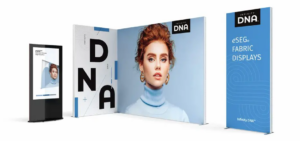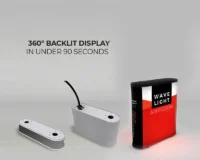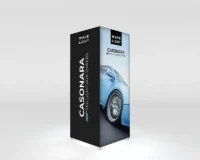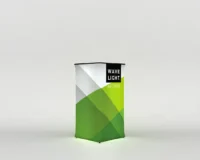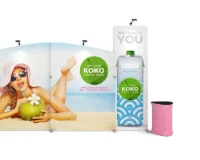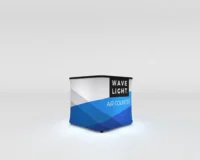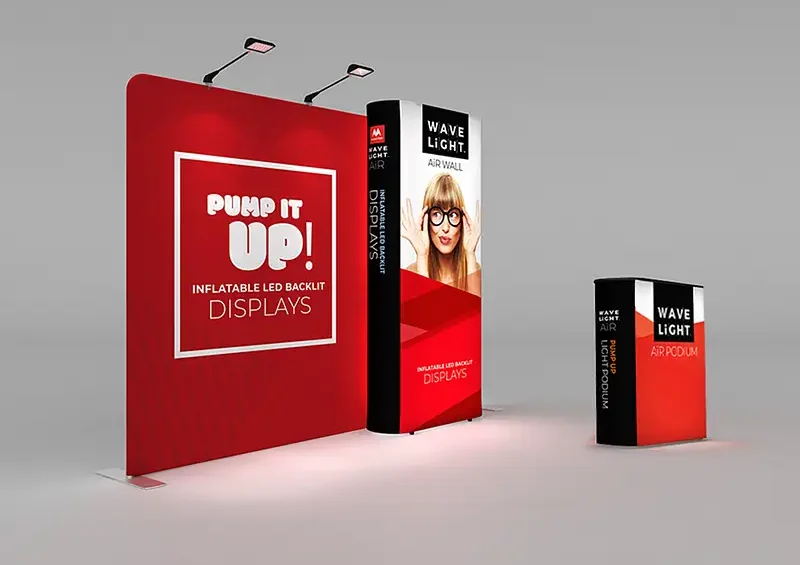
Experiential budgets across the UK and Europe continue to rise, but expectations are rising even faster. Marketers now need infrastructure that is photogenic, data-aware, and operationally lean. Within this context, the WaveLight® Air Wall Lightbox is emerging as a strategic platform, not just another illuminated backdrop. Its combination of inflatable structure, engineered lighting and interchangeable graphics enables brands to design environments that flex with programmes, not fight against them.
In 2026, illuminated display solutions will increasingly be judged on how they support measurement, sustainability reporting, and reusability – not only on visual impact.
Why illuminated walls matter in 2026
In crowded trade shows and live experiences, attention is now a scarce resource. Backlit structures cut through visual noise and provide instant message clarity at distance, especially when paired with LED backlit trade show graphics tuned to the venue environment. Yet the real step-change comes from treating these walls as infrastructure for storytelling, data and content creation rather than one-off décor. Teams that do this gain agility across multi-stop tours, retail pop-ups, and corporate roadshows.
Hero backdrops that shape narrative
High-impact back walls remain the anchor of most stands and stages, but flat panels no longer meet audience expectations. Inflatable illuminated displays allow brands to build full-height, edge-to-edge visual canvases that feel architectural while remaining easy to transport. By combining multiple units, marketers can create custom wall light displays that separate zones, frame keynote stages, and define hero moments for photography. This approach emphasises narrative structure: each wall supports a chapter in the visitor journey.
From wayfinding to data-driven layouts
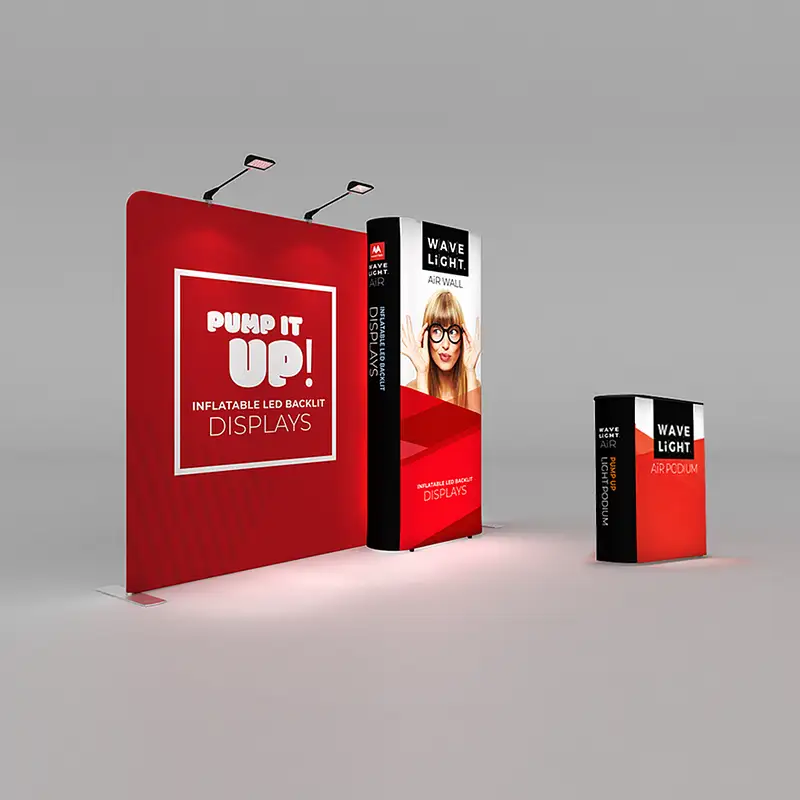
Lightbox walls also excel as dynamic beacons. Positioned on corners and thresholds, portable exhibition light walls guide visitors towards high-value content and manage congestion in complex footprints. The most advanced organisers pair these with people-flow analytics, adjusting placements between show days based on real movement patterns. In this model, SEG fabric lightbox systems become living components of the floorplan, tuned daily to maximise dwell time where it matters most.
Sustainability, operations, and future-proofing
Under tightening ESG criteria, teams are scrutinising build choices through a lifecycle lens. Fabric lightbox features such as reusable frames, replaceable prints and efficient LEDs provide a credible alternative to disposable sets. When standardised across a programme, lightweight event display solutions support lower transport volumes, tool-free display setup and faster turnaround on site. Over time, brands can evolve into fully custom branded lightbox walls while maintaining a consistent, reportable sustainability story.
Marketers assessing their 2026 toolkit should view the WaveLight® Air Wall Lightbox as a multi-role asset: visual anchor, wayfinding device, content studio backdrop and reusable illuminated signage in one. The key is to design modularly, planning for reconfiguration across campaigns rather than a single event. Review how your current kit supports narrative flow, measurement, and carbon reporting, then identify where fabric-based, LED-powered structures can replace one-off builds. To explore what this could look like in your programme, speak with an experiential specialist and map out a flexible lightbox-led roadmap for the next 12–24 months.