Comparing WaveLight® Air Wall Displays to Pop-Up Displays: Which Is Better is a live question for many UK marketers trying to cut through visual noise at busy events. Both options promise portable display solutions, but they deliver very different on-stand experiences and technical demands. Understanding how each system works, and where each excels, is essential before committing valuable budget.
Understanding the WaveLight Air Wall
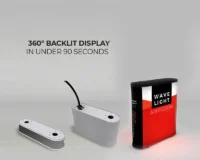
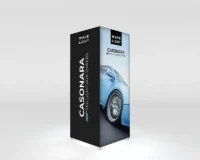
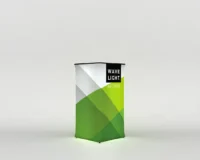
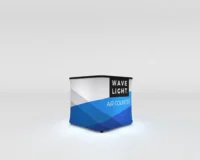
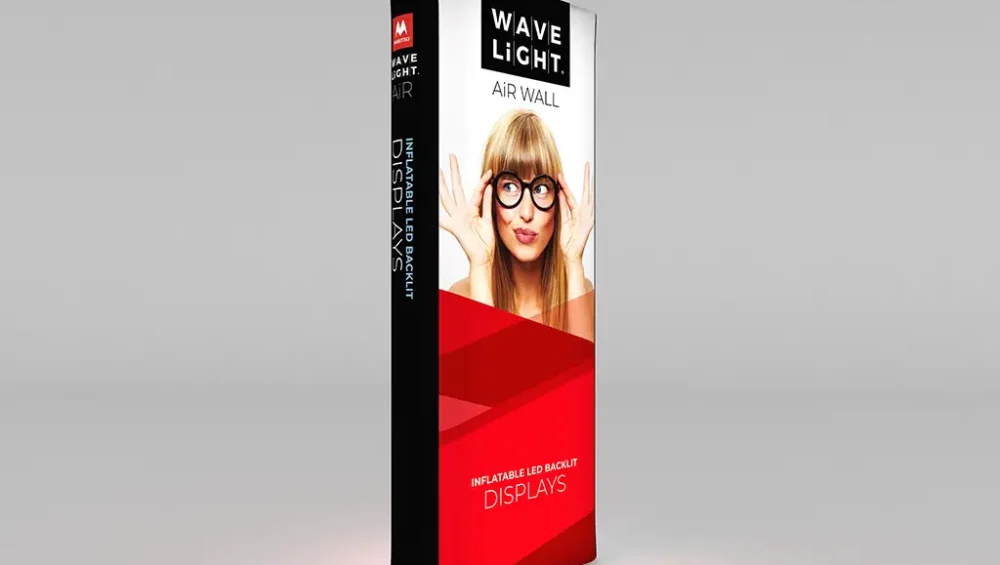
WaveLight Air Wall displays are inflatable exhibition systems that combine an internal LED core with a fabric graphic skin to create a seamless, glowing surface. Once inflated with an electric pump, the structure stays rigid while the LEDs provide consistent illumination across the full graphic. This makes them particularly effective as portable illuminated backdrops in dim halls, product launches or evening receptions. As inflatable exhibition displays, they are engineered for quick set-up and breakdown, yet require reliable mains power throughout the event to keep the lighting active.
How Pop-Up Displays Work
Pop-up displays are built around a collapsible frame that concertinas out into a self-supporting wall, usually finished with magnetic graphic panels or a single fabric skin. The system packs down into a wheeled case that fits easily into most cars, making it a staple of UK trade show display solutions, conferences and corporate roadshows. Many marketing teams already own this format, which helps with consistency of branding across multiple venues. While they lack built-in lighting, they still function well as lightweight trade show walls where the venue has strong ambient illumination.
Visual Impact, Branding and Graphic Options
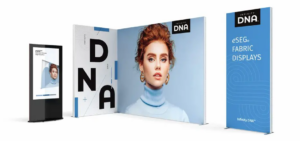
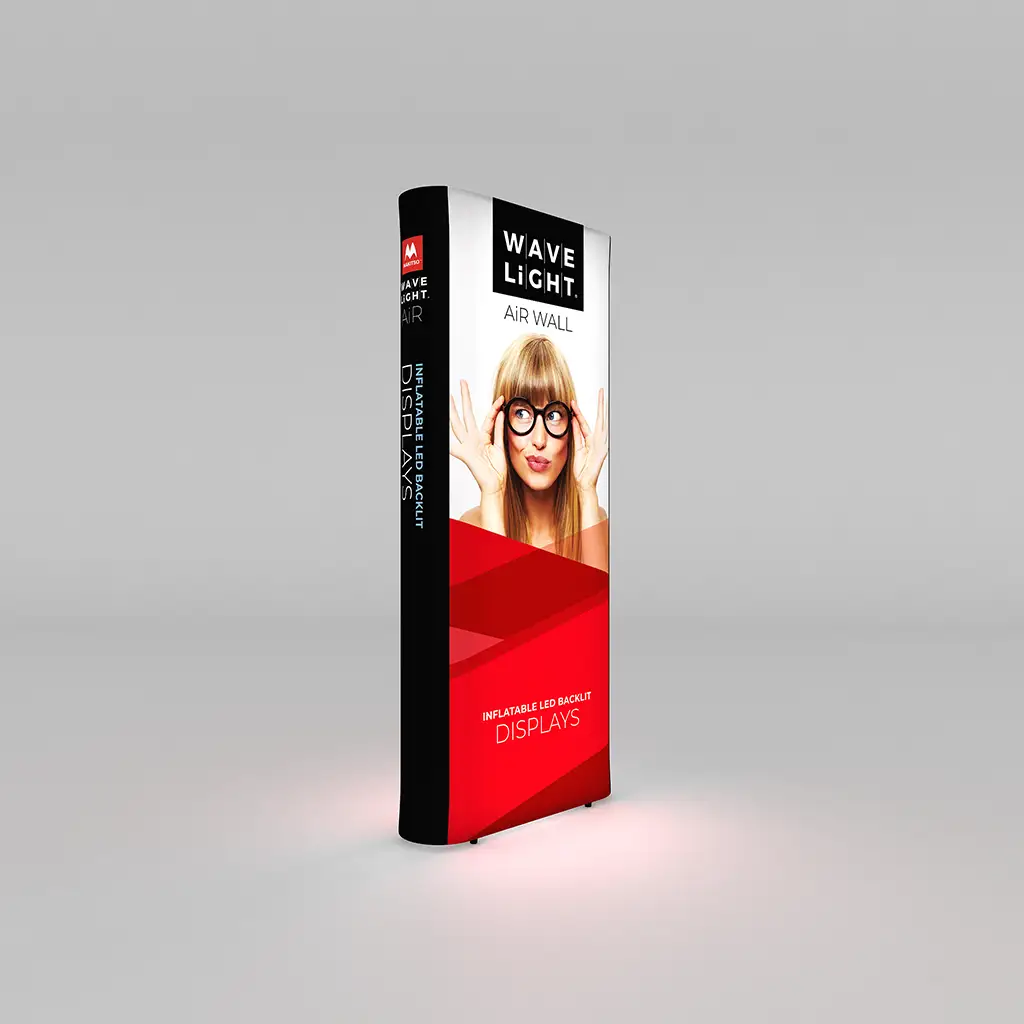
The primary keyword Wavelight Air Wall comes into its own when visual impact is the main objective, as the backlit surface enhances colour saturation and sharpens large format event graphics. Pop-ups, by contrast, deliver a more traditional flat wall presence that can still look smart with well-designed custom exhibition banners. Both systems typically use dye-sublimated fabric, similar to fabric tension displays, allowing crease-resistant, reusable branded display walls. However, only illuminated walls function as backlit fabric display systems, helping brands stand out when neighbouring stands deploy SEG fabric lightbox walls or LED video.
- Assess venue power access and cost before committing to any illuminated structure.
- Consider how often you exhibit and the competitive intensity of your key shows.
- Factor in transport, storage and handling by your in-house or agency team.
- Plan for future campaigns by choosing systems with easily replaceable graphics.
- Balance impact and budget by combining lit walls with simpler non-powered elements.
From a cost and longevity perspective, traditional pop-ups usually have the lower upfront price, which can suit smaller organisations or infrequent exhibitors. Illuminated systems cost more but may pay back through higher lead volumes at flagship trade shows, especially when positioned as hero walls within a wider scheme of portable display solutions. For frequent exhibitors, the ability to refresh graphics while retaining hardware helps spread investment. When the stakes are high, many teams now mix formats, using pop-ups to fill space and portable illuminated backdrops to anchor key messaging areas.
Choosing between these options ultimately involves weighing aesthetics, logistics and commercial returns. Marketers should map typical stand footprints, power availability, vehicle access and in-house installation skills before deciding. For some campaigns, a classic pop-up will be perfectly adequate; for others, especially major launches or competitive expos, illuminated walls may be essential. To explore which balance of solutions best matches your event schedule and brand objectives, speak with an exhibition specialist and request a tailored comparison, then book a consultation to plan your next display upgrade with confidence.