Understanding the Materials Used in WaveLight® LED Lightboxes
For UK brands seeking illuminated display solutions that truly stand out, material quality is the critical differentiator. The way aluminium, fabrics and LEDs are specified determines brightness, durability, safety and long-term value. While many systems look similar at first glance, closer inspection reveals major differences in engineering standards, fire performance and print technology. By understanding how each component works together, buyers can judge which lightboxes will protect brand reputation, withstand demanding event schedules and deliver consistent visual impact over multiple campaigns.
Why material quality matters in LED lightboxes
Most providers promote size and brightness, yet few explain what sits behind the surface of their custom lightbox designs. Inferior metals, uncertified fabrics or low-grade LEDs can lead to colour inconsistency, hotspots, premature failures and difficulty meeting venue regulations. In contrast, a WaveLight® LED Lightbox uses coordinated materials tested specifically for backlighting, helping marketing teams balance creative ambition with operational reliability. This focus on specification is particularly important for agencies managing multiple sites, where uniform quality and straightforward installation are essential.
Aluminium frames: lightweight strength and precision
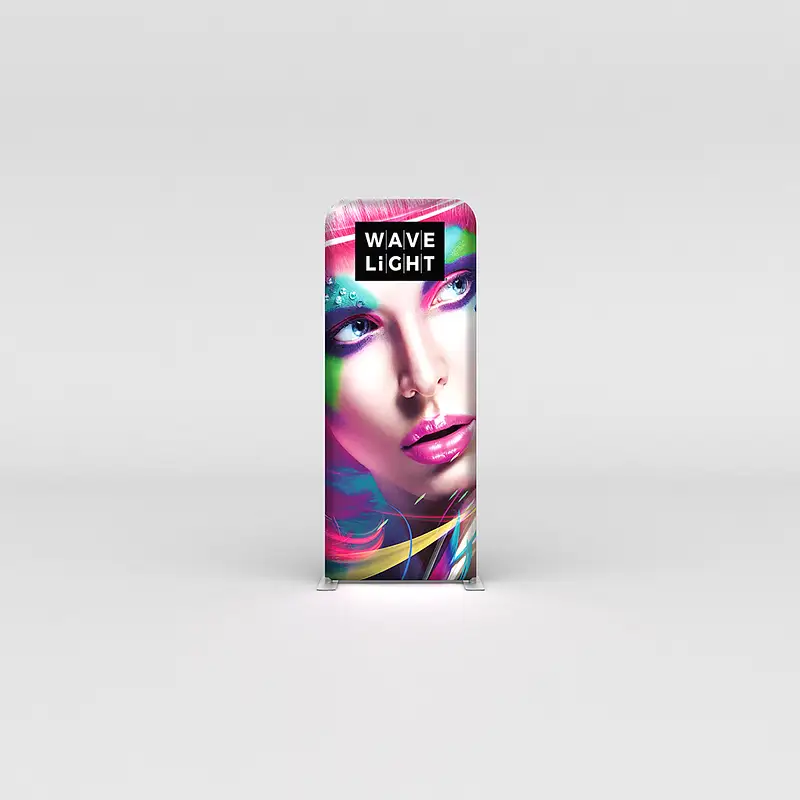
Premium aluminium display frames are the foundation of a professional lightbox system. High-grade extrusions provide rigidity without unnecessary weight, which is vital for portable illuminated signage and frequent event use. Precision machining keeps tolerances tight, ensuring graphics sit perfectly flat and lighting remains evenly diffused across the surface. Anodised or powder-coated finishes add scratch resistance and maintain a clean, architectural appearance in corporate and retail settings. This level of engineering typically exceeds that of basic modular lightbox systems, which can flex, twist or mark more easily.
Fabric graphics, safety and print performance
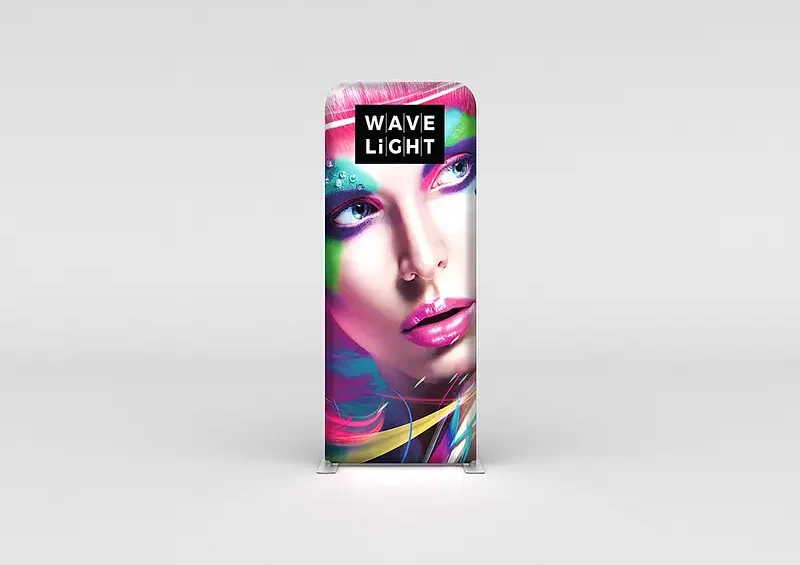
Advanced SEG fabric lightbox graphics differentiate serious solutions from low-cost alternatives that rely on rigid panels. Backlit polyester fabrics engineered for even diffusion support high-impact retail lightbox campaigns by avoiding patchy illumination. Fire-retardant treatments tested to UK standards help teams satisfy venue requirements without last-minute substitutions. When combined with dye sublimation, the fibres lock in colour for durable, wash-resistant imagery, enhancing backlit advertising options across long-running promotions. This integrated approach gives greater consistency than mixed-specification setups where fabrics, inks and LEDs are sourced independently.
For exhibitors comparing LED trade show displays or reusable exhibition lightboxes, the real advantage lies in how efficiently materials, electrics and print technology work together. Systems designed holistically can deliver energy-efficient backlit displays that reduce running costs while maintaining strong visual presence. They are also easier to transport, assemble and update, supporting fast graphic changes between campaigns. By prioritising proven materials, rigorous testing and long-term serviceability, UK marketers can invest in illuminated solutions that justify their budget and protect their brand. To explore the right specification for your next project, speak with the team and compare your options with confidence.