Premium Materials and Easy Assembly: The Foundation of Fabric Banners
Fabric banners are the backbone of modern exhibition displays, and they deserve attention when you plan your next event. Clear material choices and intuitive assembly combine to deliver professional-looking stands that work reliably, and therefore they represent a smart investment for any exhibitor. Below we outline the category advantages, practical specifications, and creative uses so you can quickly choose the right combination of products.
General information
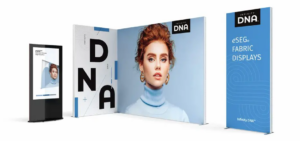
Fabric banners in this category include a variety of tension fabric displays, pop-up frames, and stretch fabric backdrops. Each product is engineered to balance lightweight transportability with large-format visual impact. Moreover, manufacturers use high-resolution dye-sublimation printing to produce vivid graphics that withstand repeated use. As a result, you get signage that looks custom and performs consistently across events.
Specifications
Standard category specifications often include frame materials such as anodized aluminum for strength and reduced weight, modular pole systems for quick assembly, and wrinkle-resistant polyester fabric for graphics. Typical sizes range from tabletop banners to large 3×3 and 4×3 displays. In addition, many items ship with carry cases, and some include magnetic or clamp connections that speed setup. These features together create predictable performance while reducing logistics complexity.
Product Highlights
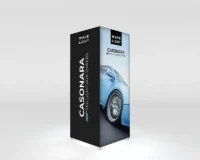
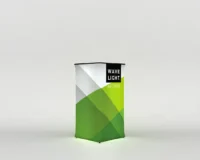
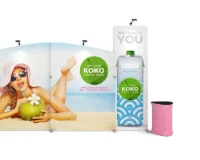
Highlights across the category focus on ease of use and presentation quality. For example, tension fabric systems provide seamless, edge-to-edge graphics that hide the frame and deliver a clean, photographic finish. Similarly, double-sided fabric banners maximize visibility in island booths, and curved stretch displays create a more immersive backdrop. Consequently, you can tailor displays to your booth size and branding objectives.
Components and Material Quality
Frames use corrosion-resistant metals and precision-engineered connectors so components lock together securely, and therefore they resist wear from frequent assembly and transport. Fabric graphics are treated for colorfastness and compatibility with high-resolution inks, which means colors remain accurate over time. In addition, reinforced hems and hidden silicone edges prevent fraying while enabling a snug, custom fit to the frame.
Design Features, Portability, and Setup Process
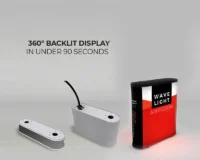
Design features emphasize intuitive connections and minimal tools. For instance, pop-together frames and snap-in silicone edge graphics let two people set up a 3×3 display in under 15 minutes. Likewise, compact foldable frames and wheeled transit cases make shipping simpler and reduce onsite labor. Therefore, your team spends less time wrestling with hardware and more time focusing on engagement at the event.
Use Cases and Creative Uses
Fabric banners adapt to many environments, and they perform well at trade shows, retail pop-ups, corporate events, and photo backdrops. Moreover, you can combine multiple banners to create branded corridors, product zones, or immersive stage backdrops. For example, pairing a large curved backdrop with tabletop fabric banners creates a layered presentation that draws visitors in, and consequently you improve booth dwell time and brand recognition.
Conclusion
Choosing fabric banners from this category gives you premium materials, repeatable setup, and design flexibility that scale with your events. In addition, the category reduces replacement costs because quality materials and engineered components last through many shows. Finally, when you are ready to explore specific options and match products to your needs, view the fabric banners range to compare models, sizes, and accessory packages designed to protect your exhibition investment and enhance your presentation.