Real Trade Show Examples of Fabric Banners in Action
Fabric banners are among the most versatile and cost-effective display solutions for exhibitions, and real trade show examples confirm their practical value. In this article you will see how different banner types and configurations perform, and therefore you can choose the right combination to meet your objectives. Whether you need strong visual branding or a compact solution that travels easily, fabric banners deliver a balance of performance and simplicity.
Below we explore real-world uses across several display scenarios, and we highlight practical benefits that matter to exhibitors. Additionally, you will find creative ideas for using multiple products together to increase impact and improve visitor flow.
General Information about Fabric Banner Products
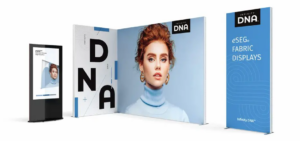
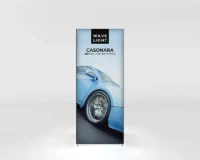
Fabric banners include single-panel backdrops, tension fabric walls, pop-up fabric systems, and modular panels that connect to create larger canvases. They use dye-sublimated prints on stretchable textiles, so graphics remain vivid and professional at close viewing distances. Because these banners are lightweight and wrinkle-resistant, they are simple to set up and maintain.
For a quick look at options and to compare styles, consider browsing category pages that showcase multiple formats. For example, explore how fabric banners are presented across sizes and configurations to match different booth types and budgets.
Trade Show Booth Backdrops: Visual Impact and Practicality
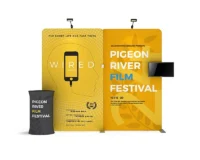
As backdrops, fabric banners create an immediate focal point and define booth space, and they do so without adding significant weight or complexity. Therefore they are ideal for inline booths, shell schemes, and island stands alike. High-resolution prints ensure logos and product images remain crisp from across the aisle, which helps attract visitors sooner.
Moreover, fabric backdrops work well with lighting and other booth elements. When paired with spotlights or LED bars, the printed fabric absorbs and displays light evenly, so colors stay saturated and consistent throughout the day.
Brand Displays and Product Launch Use Cases
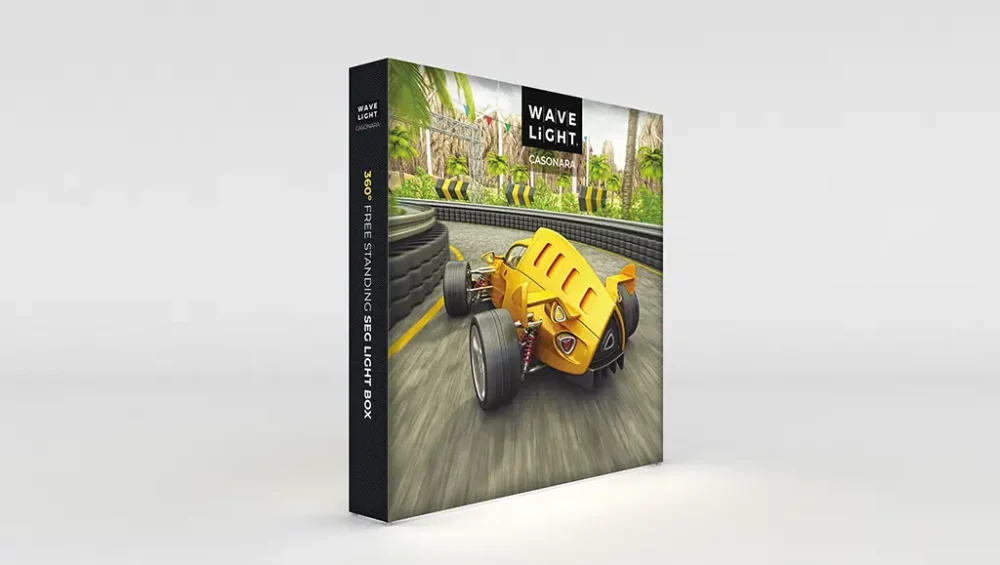
Fabric banners are excellent for brand storytelling and product launches because they allow large, immersive visuals that communicate core messages instantly. Consequently, attendees can understand product benefits at a glance. Use a combination of headline panels, lifestyle imagery, and concise copy to guide visitors from curiosity to conversation.
Additionally, fabric banners can be swapped or updated between events, so you can refresh campaign messaging without changing the hardware. This flexibility reduces long-term costs while keeping exhibits relevant.
Multi-Panel, Modular and Creative Combinations
When you need a larger presence, modular fabric panels connect to form continuous graphics. Real trade show examples show linked panels creating panoramic scenes, product galleries, and segmented messaging zones. Consequently, exhibitors can scale displays to match booth sizes and traffic expectations.
Furthermore, combining different product types—such as a curved wall plus a straight panel—creates varied sightlines that capture attention from multiple directions. This approach leads to higher dwell time and more meaningful interactions.
Curved Configurations and Design Flexibility
Curved fabric displays add visual movement and help direct foot traffic because their shape naturally guides sightlines. For example, a gentle curve at the booth entrance draws visitors inward, while a semi-circle presentation creates an intimate demo area. Thus curved banners not only look dynamic but also support strategic booth layouts.
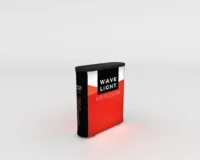
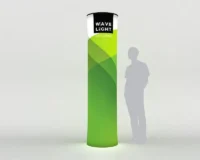
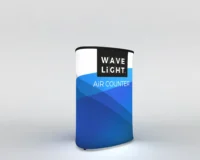
Design flexibility also extends to finishes and accessories. You can add printed podiums, hanging banners, or branded counters that coordinate with the main fabric graphics to create a cohesive presence.
Portability, Transport and Cost Efficiency
One of the strongest category benefits is portability. Fabric banners pack down into compact soft or hard cases, and consequently they reduce shipping expenses and handling complexity. For exhibitors who attend multiple events, lower logistics costs translate into more frequent participation and better ROI.
Additionally, fabric systems are commonly tool-free for assembly, which shortens setup time and lowers labour costs. This practical advantage means small teams can deliver professional results with minimal effort.
Conclusion
Real trade show examples confirm that fabric banners offer versatility, affordability, and strong visual performance across many exhibition scenarios. From backdrops and brand displays to modular systems and curved configurations, the category supports a wide range of goals. Therefore if you want a solution that scales easily, travels well, and presents beautifully, fabric banners are an excellent choice.
Finally, by combining multiple fabric products you can craft a unique booth narrative that fits both your budget and your marketing objectives, and you can update visuals quickly as campaigns evolve.