Durability by Design: A Breakdown of Hanging Banner Materials and Installation Methods
Hanging banners are a core category for exhibitors who need high-impact overhead signage that lasts. In this guide you will learn how material choices, frame design, and installation methods work together to deliver durable, professional displays. Moreover, this information helps you choose the right combination of products for repeated trade shows, retail activations, and large events.
General information
Hanging banner systems combine several product types, including printed fabrics, rigid panels, and suspension hardware. As a category they are designed to meet distinct needs, and therefore you can mix and match panels, frames, and mounting options to suit venue rules and visual goals. Furthermore, this flexibility reduces the need for custom builds, so you can scale your visual program efficiently.
Material options
Fabric choices range from lightweight polyester to heavier blockout materials, and each option affects durability and appearance. For example, polyester with UV-stable inks maintains color longer in bright environments, while blockout fabrics prevent light bleed for crisp backlit graphics. In addition, printable vinyl and banner mesh are available when extra weather resistance or wind tolerance is required for outdoor events.
Frame and components
Frames are typically aluminum for a balance of strength and portability, and connectors use steel or reinforced nylon to resist wear. As a result, frame systems withstand repeated assembly and breakdown without warping. Moreover, integrated swivel hooks, reinforced grommets, and tensioning profiles improve longevity by reducing stress points on fabric graphics.
Installation methods
Installation varies by venue, and therefore understanding common methods helps you plan ahead. Classic methods include ceiling-mounted hoists, truss clamps, and custom rigging points. Additionally, quick-connect hardware and modular clamps speed setup and reduce installation errors. Consequently, reliable mounting options safeguard both the banner and the people below it.
Setup, portability, and maintenance
Portability matters because exhibitors often transport banners between events. Lightweight frames and wrap cases simplify logistics, and modular components allow you to replace only the damaged part instead of the whole system. Furthermore, choosing stain-resistant fabrics and water-based inks makes on-site cleaning straightforward, which preserves professional appearance over many shows.
Use cases and creative applications
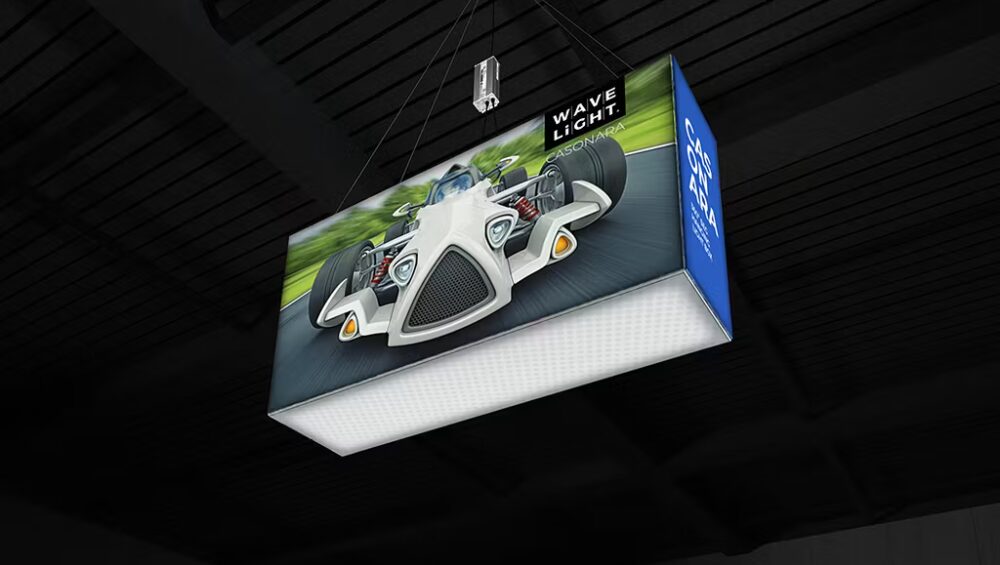
Hanging banners work well above trade show booths, inside retail stores, in museum galleries, and at stadiums. For example, suspend multiple circular banners to create a layered ceiling graphic, or combine fabric panels with backlit frames to add depth. In addition, mixing rigid panels for focal messages and fabric sails for color blocks helps you design dynamic sightlines across large spaces. Discover how hanging banners provide durable overhead presence across settings, and consider pairing multiple products in the category for maximum visual impact.
Conclusion
When you evaluate hanging banners as a category, focus on how materials, frames, and installation choices interact to deliver long-term value. By selecting durable fabrics, robust frame components, and proven mounting systems you reduce lifecycle costs and maintain a professional look show after show. Therefore, investing in the right combination of products ensures your overhead signage continues to reinforce your brand and engage visitors for years to come.