Construction and Assembly Methods Behind Exhibition Stand Kits
Exhibition stand kits form a versatile product category designed to deliver professional displays with minimal fuss. In this overview, you will find clear guidance on the variety within the category, how different systems assemble, and why these solutions offer reliable, repeatable results for trade shows and events. Furthermore, the right kit can save time, reduce transport costs, and improve brand presentation.
General Information
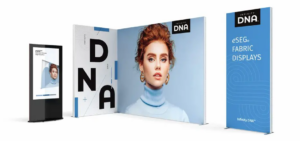
Exhibition stand kits range from compact pop-up systems to large modular configurations, and they are created to suit different budgets and booth sizes. Moreover, kits often combine frames, graphics, counters, and lighting so you receive a coherent solution that performs well on the show floor. For a ready starting point, explore our selection of exhibition stand kits which demonstrate the breadth of options available.
As a result, choosing a kit from the category means you buy into tested assembly methods and standardized components, and this consistency enhances reliability across multiple events.
Specifications and Modular Options
Specifications vary by kit, yet common details include frame material, graphic panel types, connection methods, and lighting options. Typically, frames are aluminium for a high strength-to-weight ratio, while graphics use dye-sublimation fabric or PVC for vibrant, durable visuals. Additionally, many kits offer modular components so you can scale layouts from single-panel displays to multi-bay systems that match changing floor plans.
Therefore, reviewing specifications helps you match a kit to stand size, transport limits, and design goals.
Use Cases for Exhibition Stand Kits
These kits serve a wide array of events, and they are ideal for trade shows, product launches, roadshows, and POP activations. For example, a compact pop-up kit works well for frequent regional events, while a modular island kit suits a global trade show presence. Moreover, combined kits can support demonstration areas, client meetings, and interactive zones, so they adapt to different exhibitor needs.
Product Category Highlights
Key advantages of the category include repeatable setup, consistent branding, and simplified logistics. In addition, integrated systems deliver unified aesthetics because frames, graphics, counters, and lights are engineered to work together. Consequently, exhibitors gain faster installation times and a professional appearance that helps attract visitors.
Components and Frame Construction
Frames provide the structural backbone, and they typically use click-fit connectors or tool-free fastenings to speed assembly. Moreover, frames are lightweight yet rigid to withstand repeated use during transport and installation. As a result, component-based designs make it easy to replace single parts or expand the system over time.
Furthermore, secondary components such as shelves, monitor mounts, and counters bolt or slot into the primary frame, which increases versatility and keeps inventory management straightforward.
Design Features and Material Quality
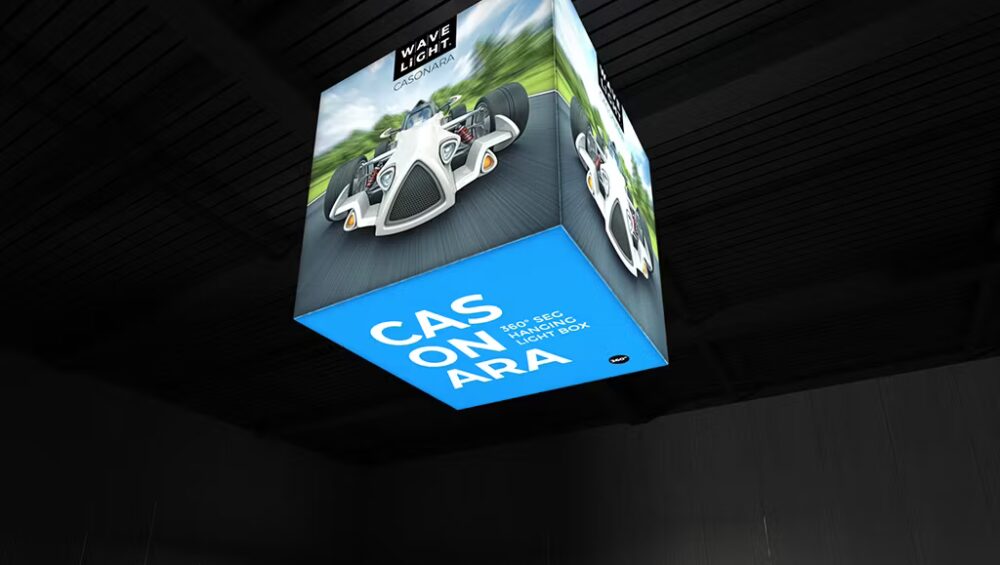
High-quality kits combine precision-engineered aluminium profiles, tension fabric graphics, and durable graphic finishes to balance appearance and longevity. Additionally, modern kits often employ printed fabric that stretches for a seamless look, and integrated LED lighting to enhance focal graphics. Therefore, investing in better materials reduces long-term replacement costs and maintains brand impact across events.
Portability and Setup Process
Portability is a major category benefit. Many kits collapse to compact cases and include wheels for easy transport, and consequently, they cut handling time at venues. Setup processes vary, yet most systems aim for tool-free assembly with numbered parts and clear instructions. Moreover, some vendors provide modular trunks or soft cases that protect components while enabling quick access.
Because quicker setup lowers labor costs and stress, exhibitors can focus more on engagement and less on logistics.
Conclusion
Exhibition stand kits deliver a practical balance of flexibility, durability, and branded presentation. In sum, the category helps exhibitors of all sizes create consistent trade show results while controlling time and budget. Therefore, when you evaluate options, prioritize modularity, material quality, and ease of assembly to maximize return on investment.
Finally, creative combinations of kits, additional counters, and targeted lighting let you craft booth experiences that align with campaign goals and customer journeys. As a result, exhibition stand kits remain a smart choice for reliable, repeatable event success.