Transporting Exhibition Stand Kits: Packing, Weight, and Shipping Efficiency
Exhibition stand kits are a category of display solutions designed for frequent transport, fast setup, and reliable protection. Whether you exhibit locally or tour events nationwide, these kits reduce logistics complexity and lower shipping costs. Consequently, planners and marketing teams often choose modular kits to balance appearance, durability, and transport efficiency.
General information
Exhibition stand kits range from compact pop-up systems to modular frame-and-panel configurations, and each option prioritizes transport-friendly features. For example, many kits arrive with labeled cases and modular components that stack efficiently, which shortens packing time and reduces wasted space. In addition, you can compare sizes and case types to find the best fit for your event schedule and transport budget. Discover how exhibition stand kits provide transport efficiency and how this system can streamline your exhibition participation.
Product range and variants
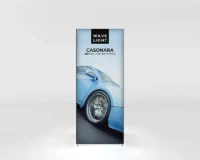
The category includes portable banner kits, lightweight pop-ups, modular backwalls, and custom-fitted flight cases. Moreover, some kits include printed fabric panels while others use rigid graphic boards, and these material choices affect packing volume and weight. Therefore, selecting the right variant helps you optimize shipping costs while maintaining the visual impact you need on show day.
Specifications and Material Quality
Key specifications to consider are packed dimensions, gross weight, case type, and protective inserts. Furthermore, materials such as aluminum frames, dye-sublimated fabric, and reinforced plywood cases offer different trade-offs between weight and durability. As a result, you can choose lighter materials for lower shipping fees or heavier, more durable options when long-term protection is a priority.
Packing, weight, and space efficiency
Smart packing configurations reduce both volume and handling time. For instance, modular frames that collapse flat and graphic panels that roll instead of stack will save space in transit. Additionally, standardized case sizes let you plan truck or pallet layouts more effectively, and therefore you can ship more exhibits per load. In practice, this lowers cost per event and improves the sustainability of repeated travel.
Damage-resistant shipping protection
Durable protection is essential when kits travel repeatedly. Consequently, many kits are paired with foam-lined flight cases, edge protectors, and weather-resistant covers. These protective features reduce repair costs and minimize downtime, and they also maintain consistent brand presentation across events. Moreover, reliable protection increases the resale and reuse value of the kit over time.
Use cases and event strategies
Exhibition stand kits work well in many scenarios. For example, marketing teams that attend multiple regional shows will favor lightweight, fast-erect solutions for short events. Conversely, brands that need a premium presence at flagship shows may choose modular systems with custom printing and reinforced cases. In addition, agencies that manage multiple clients can mix and match panels and banners to build unique spaces, which improves flexibility and reduces inventory needs.
Creative multi-product configurations
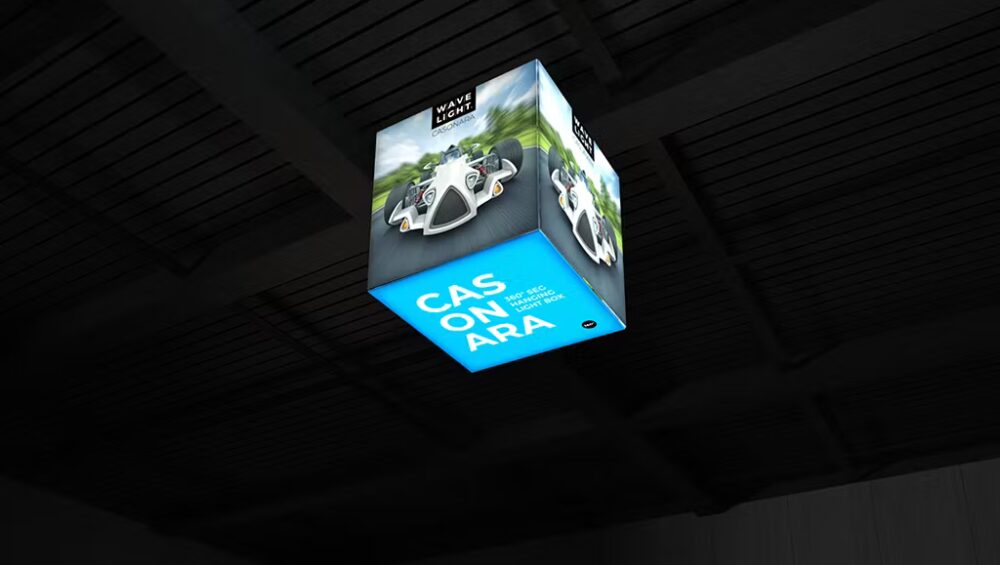
Combining stand kits with complementary items makes exhibits more versatile. For example, add portable counters, literature racks, and spotlights to convert a simple backwall into an immersive brand environment. Furthermore, a coordinated set of cases and packing accessories speeds transport and setup, and therefore you can move more elaborate displays without adding excessive logistics burden.
Conclusion
In summary, exhibition stand kits as a product category deliver measurable transport advantages through compact packing, thoughtful material choices, and protective shipping solutions. Consequently, they help exhibitors reduce shipping costs, simplify event logistics, and protect their investment over time. When you plan events, prioritize kits that match your frequency of travel, setup speed needs, and budget to get the best long-term value and performance.