Flags vs Pop-Up Displays: Which Solution Works Better?
Introduction
When you plan your next exhibition or event, choosing the right display can make a measurable difference in foot traffic and brand impact. Therefore, this guide compares flags and pop-up displays with a product-focused lens, so you can decide which exhibition banner solution suits your objectives. Additionally, the comparison highlights setup, portability, visual performance, and cost so you can match a display to real event needs.
General Information
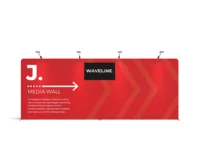
Flags are tall, vertical banners that draw attention from a distance, while pop-up displays are larger, freestanding backdrops that create a branded environment. Together, these exhibition banners serve different roles: flags act as directional or outdoor beacons, and pop-up displays form immersive booth backdrops indoors. Moreover, both product types are built for repeated use and professional presentation, which means reliable performance over multiple events.
Specifications
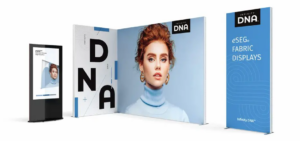
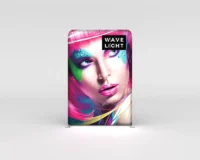
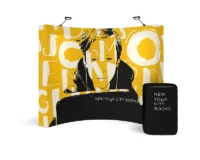
Flags commonly include lightweight aluminum poles, weather-resistant fabric, and compact carry cases. In contrast, pop-up displays typically feature an aluminum frame, fabric or vinyl graphics, and optional LED lighting. Consequently, flags are measured by pole height and graphic size, whereas pop-up displays are defined by panel width, height, and curvature options. For precise planning, check graphic resolution recommendations and frame dimensions to ensure crisp visuals and proper fit in your event space.
Product Highlights
Flags deliver vertical visibility and fast deployment, which is ideal for outdoor and high-traffic zones. Meanwhile, pop-up displays offer expansive branding real estate and an immediate professional backdrop, which is ideal for show booths and presentation areas. Furthermore, both products are reusable and replaceable, so you can refresh messaging without replacing hardware. Consequently, they provide long-term value for event budgets.
Use Cases
Use flags for outdoor festivals, directional signage around event sites, and street-level calls to action. In addition, use pop-up displays for trade show booths, product launches, and photographic backdrops during demos. For example, combine a double-sided flag at the aisle edge with a branded pop-up as your booth rear wall to increase both approachability and dwell time. This mix improves visibility and supports multiple engagement points.
Portability
Flags are extremely portable due to lightweight poles and compact bags, and therefore they are excellent for teams that travel frequently. On the other hand, pop-up displays are bulkier but still transportable with wheeled cases and protective covers. Moreover, both product types are designed for quick packing and protection, which reduces logistics friction and allows you to participate in more events with less hassle.
Setup Process
Flags typically set up in minutes with simple pole and base assembly, which is helpful when time is limited. By contrast, pop-up displays take longer because you will expand the frame, attach graphics, and optionally add lights. However, pop-up systems often include tool-free connections and clear instructions, so setup remains straightforward for most teams. Therefore, choose based on your available setup window and staff capacity.
Where to Buy and Related Products
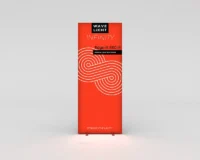
When you are ready to purchase, consider products that match your event cadence and budget. For a selection of complementary items, explore lightweight flags alongside pull-up and poster options that fill different roles in your display strategy. Discover how Flags, Pull-Up & Poster Stands compare to Pop-Up Displays and how this system can maximize your event investment.
Conclusion
In summary, flags and pop-up displays are both valuable exhibition banners that serve distinct purposes. Flags provide quick setup, exceptional portability, and strong distance visibility, while pop-up displays offer larger branding surfaces and a polished booth experience. Therefore, choose flags when you need agility and outdoor presence, and choose pop-up displays when you need immersive indoor branding. Ultimately, combining both can create a cohesive and flexible exhibition strategy that boosts brand visibility and return on event investment.