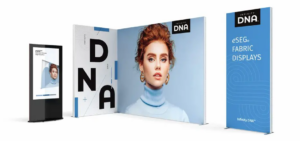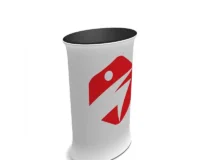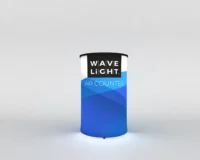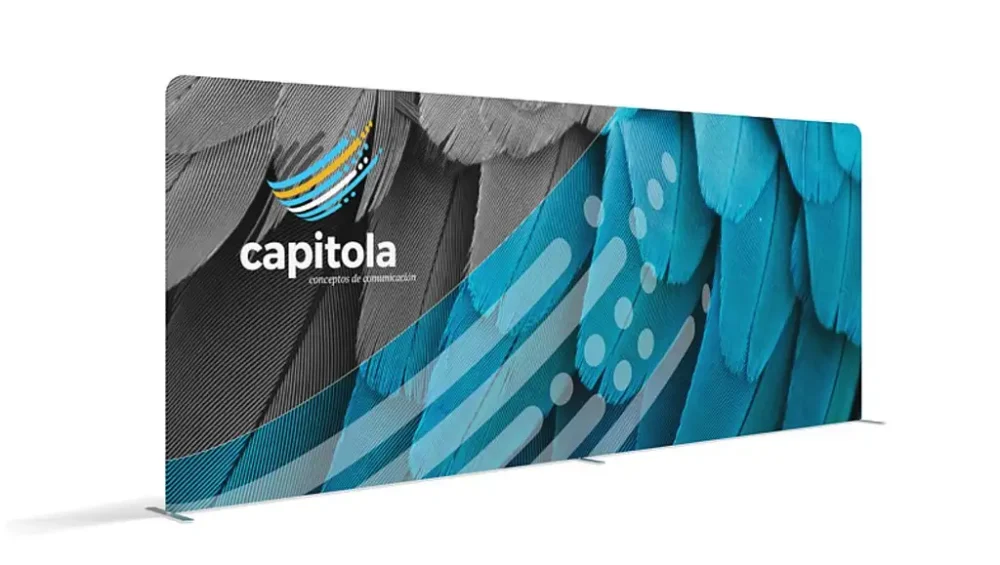
Illuminated displays are a powerful way to stand out at exhibitions, and knowing how to assemble WaveLight® Tension Fabric Banners effortlessly will save time and reduce stress on site. These systems are designed for quick, repeatable setups, making them ideal for UK portable display stands, retail promotions, and corporate events. By understanding the components, assembly sequence, and common pitfalls, your team can build a bright, professional stand even under tight set-up windows.
Understanding WaveLight Systems
WaveLight systems are illuminated lightweight fabric display systems that pair an aluminium frame with internal LED lighting and a printed fabric graphic. The result is an evenly lit face that highlights high-resolution fabric signage from edge to edge. Because the graphic slips over the frame like a sleeve, the final effect is smooth and contemporary, without visible joins. Many marketing teams use them as seamless tension fabric backdrops for shell schemes, open booths, and reception areas.
Key Components and How They Fit Together
A typical kit includes numbered aluminium sections, internal connectors, feet, LEDs, power supplies, and a tensioned fabric graphic with a stitched silicone edge. The frame determines the size and stability of your display, while tool-free exhibition banner frames help speed up installation. LED strips or modules sit inside the frame, creating a bright, consistent glow across your branding. The fabric element is produced using high-quality banner printing, ensuring colours remain vivid even under strong venue lighting.
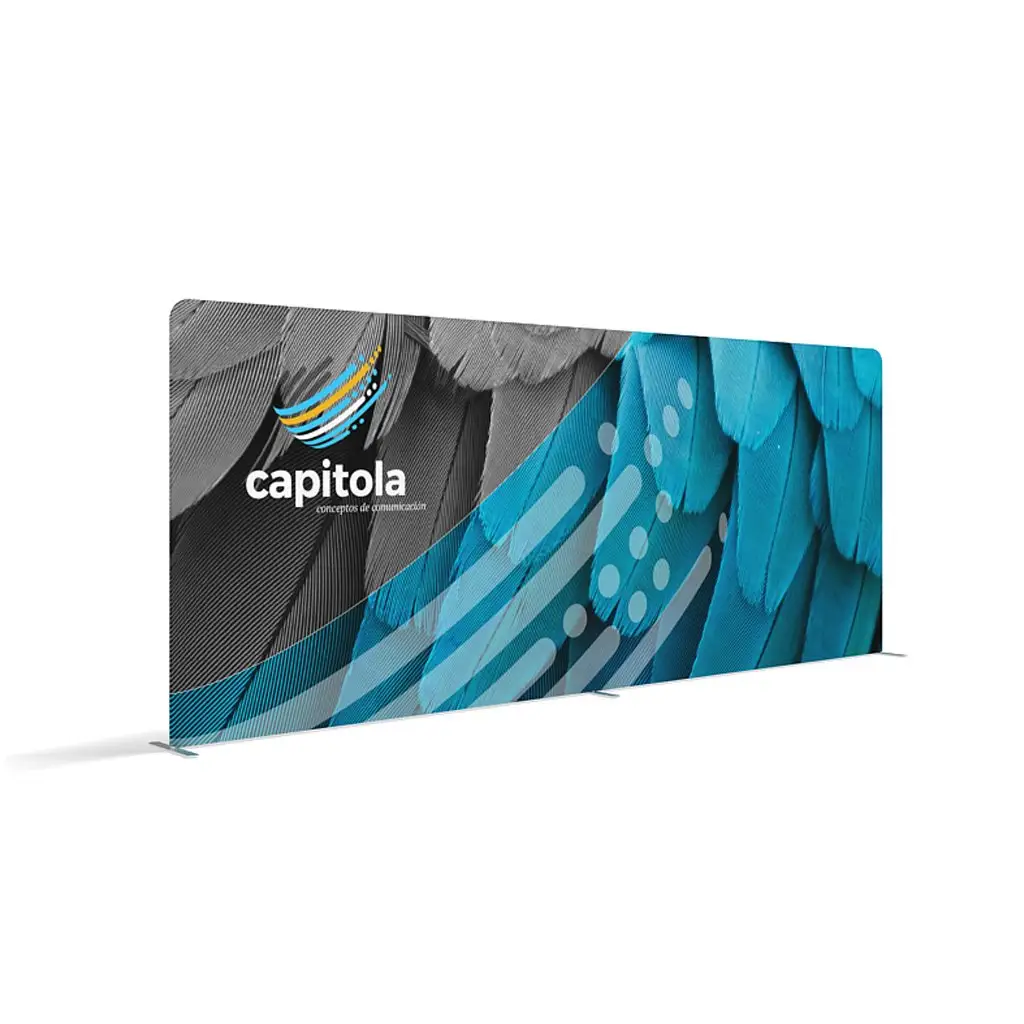
Step-by-Step Assembly Process
Begin by clearing a clean, flat area so nothing snags the fabric or cables. Lay out all parts and match the frame sections by their numbering, then connect verticals and horizontals to create the full structure. Next, clip or slide the LED modules into the specified channels, keeping wiring neat and away from joints. Attach the support feet, then pull the fabric graphic over the frame, smoothing as you go. Once the unit is upright, connect the power supply and test illumination before final positioning.
Practical Tips for a Smooth Set-Up
For busy trade shows, pre-checking kits at your office prevents last‑minute issues with missing connectors or faulty drivers. Teams that travel often with portable tension fabric stands usually keep labelled bags for cables, adaptors, and spares, plus a simple checklist. If you work with reusable trade show graphics, store them folded loosely or rolled to minimise creasing. Many exhibitors also choose washable branded fabric panels so they can quickly refresh prints between campaigns. This approach supports cost-effective custom fabric display solutions over multiple events.
Common errors include forcing misaligned frame joints, trapping LED cables in connectors, or over-stretching the graphic during installation. To protect your Wavelight Tension Fabric Banners, always align push-fit sections fully before applying pressure and keep cables centred in their channels. Allow the fabric to tension gradually; minor creases usually relax once the display is assembled and gently warmed by venue lighting. Curved tension banner walls and similar structures follow the same principles, though extra care is needed on tight radii. If in doubt, review the manufacturer’s diagram before each show.
For UK exhibitors planning lightweight, illuminated stands over multiple events, understanding these assembly basics makes it easier to compare systems and plan staffing times. When you are ready to refine your display strategy, speak with a specialist supplier who can advise on layouts, accessories, and compatible UK portable display stands. Use this knowledge to ask informed questions, request visuals, and confirm power requirements before committing to a stand package. An informed conversation now will help your team set up confidently and focus on engaging visitors at your next event.