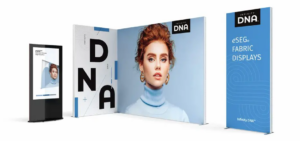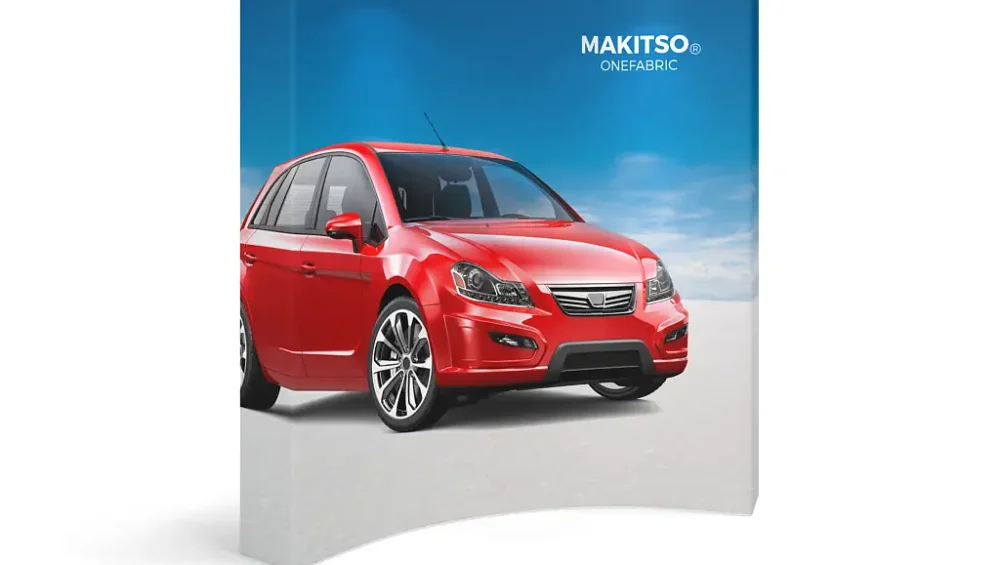
Transporting OneFabric Pop-Up Banners has become a strategic concern for UK marketers operating under tighter budgets, compressed timelines and rising expectations around event delivery. When your exhibition assets travel frequently, the way they are packed, handled and stored directly affects brand consistency, total lifecycle cost and the credibility of your wider event marketing materials. Forward-thinking teams now treat logistics as an extension of brand management, not a back-office task left to the last week before a show.
“Every mile your display travels is either adding to, or quietly eroding, the value of your event investment.”
The strategic case for smarter transport
As UK venues demand tighter delivery windows and stricter loading-bay protocols, ad hoc transport planning is increasingly risky. A single delayed courier or damaged graphic can weaken high impact event branding at precisely the moment you need maximum visibility. Treating logistics as part of customer experience – alongside creative and messaging – is what distinguishes operationally mature exhibitors from competitors who still rely on last-minute improvisation and borrowed vehicles.
Designing logistics around modern portable systems
The shift towards lightweight fabric exhibition stands and portable fabric display systems has changed what “good” logistics looks like. These solutions are easier to transport than traditional modular builds, but they also demand more disciplined handling to preserve print quality and structure. Leading teams specify purpose-built wheeled cases, design compact trade show display kits from the outset, and standardise packing sequences so even new staff can execute confidently at 6am in a crowded loading bay.
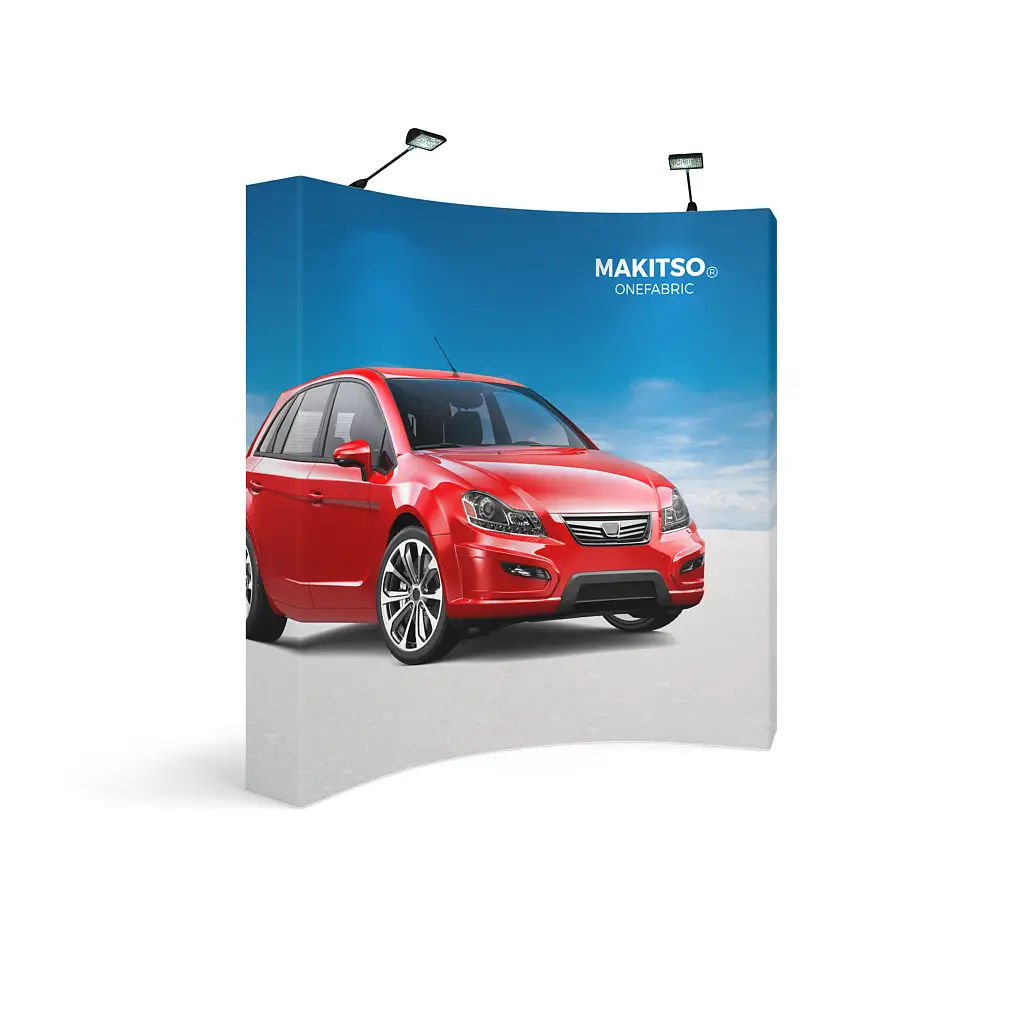
From transport plan to repeatable operating model
Best-practice exhibitors map every movement of their custom fabric display stands, from office to venue and back to storage, then refine the flow after each show. They maintain checklists for frames, graphics and accessories, track damage trends, and use data to decide when to refresh reusable event display graphics or upgrade to more durable cases. This mindset turns simple UK portable event signage into a managed asset portfolio, rather than a collection of items that slowly degrade between events.
Forward-looking marketers are also questioning longstanding assumptions about transport ownership. Instead of defaulting to internal vehicles, many blend specialist exhibition couriers with in-house options depending on risk profile, lead time and the value of portable advertising solutions being moved. Others are rationalising inventories – for example, replacing ageing hardware with a smaller number of versatile pop up fabric exhibition walls and branded tension fabric backdrops – to simplify planning while preserving creative impact.
Ultimately, logistics is now a lever for differentiation, not just a cost centre. Brands that invest in disciplined processes around OneFabric Pop-Up Banners consistently arrive earlier, set up faster and project greater control in front of prospects, partners and organisers. To stay ahead, review how your current portable fabric display systems travel, store and age, and identify gaps where planning, packaging or supplier choice is exposing your reputation. If you are ready to stress-test your approach, speak with an event display specialist to benchmark your transport strategy and build a more resilient model for the next generation of UK events.