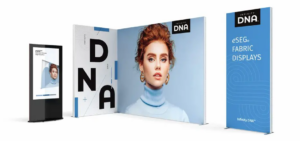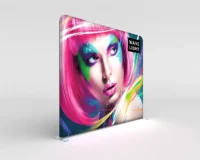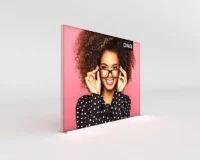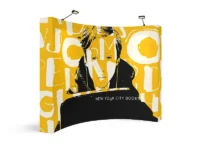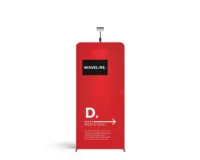
In crowded UK retail spaces and busy event venues, marketers are under pressure to maximise visibility without blocking customer flow or breaching venue rules. One increasingly popular option is Waveline Monolith Banners, which combine a slim footprint with strong visual impact. As brands juggle pop-up activations, seasonal campaigns and touring roadshows, the need for portable, reconfigurable display systems has become a central planning concern.
Understanding Waveline Monolith Banners in context
These freestanding fabric towers use lightweight aluminium frames and tensioned dye-sublimated graphics to deliver a seamless, premium finish. Unlike cardboard totems or ad hoc fixtures, they are engineered as part of wider families of custom fabric displays, allowing marketers to maintain a consistent look across multiple touchpoints. Their relatively small base means they can sit close to store entrances, concourses or registration desks without impeding traffic or emergency access routes.
Comparing display solutions for retail and events
Traditional roller banners still have a role where budgets are tight and campaigns are short, but they can look dated beside premium trade show graphics and contemporary fabric systems. Rigid boards provide crisp imagery yet are prone to glare under strong lighting and damage in transit, which is problematic for portable exhibition stands used at multiple venues. For brands planning repeat tours, lightweight event display kits that pack down into wheeled cases can significantly cut courier costs and build times.
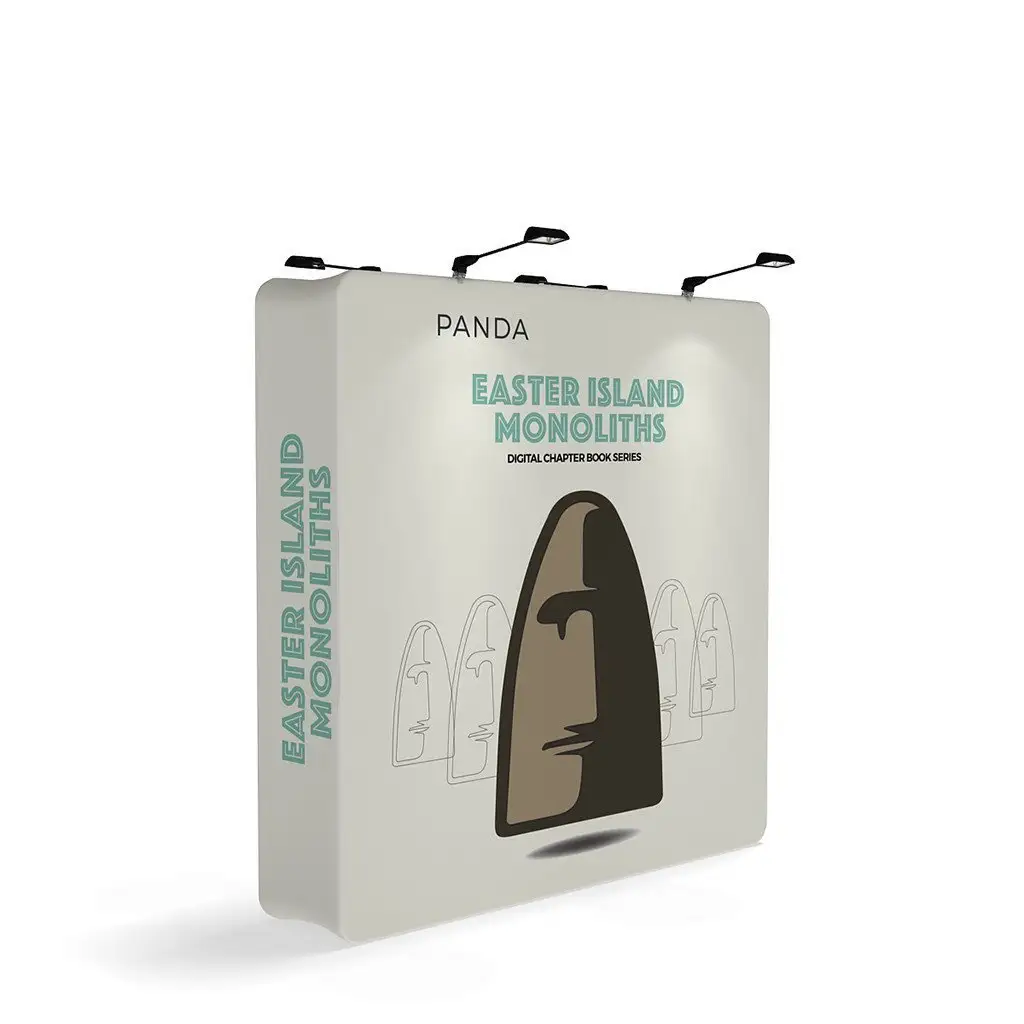
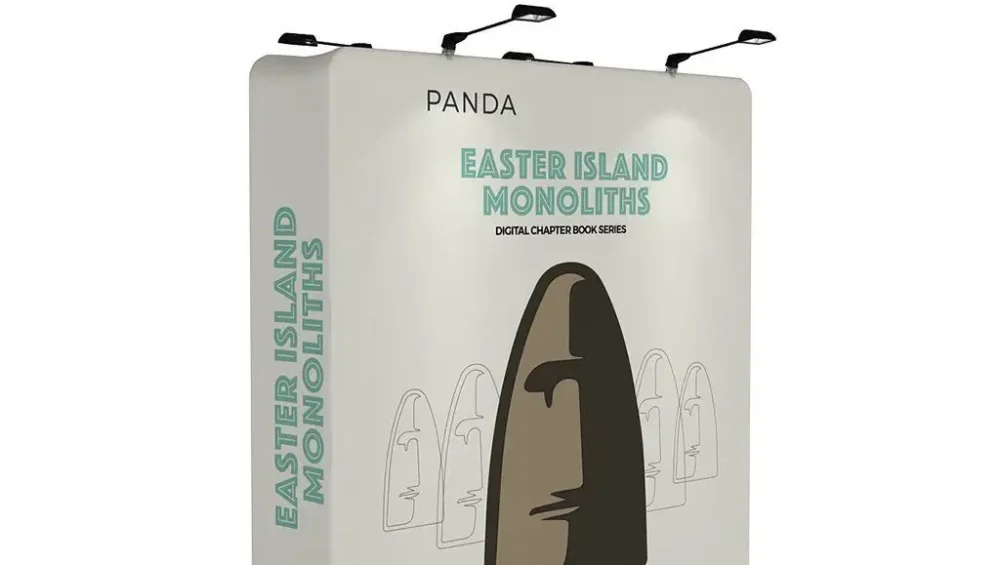
When a monolith banner is the right tool
Monoliths sit between simple roller banners and larger modular exhibition backdrops, offering more presence than a basic stand without the complexity of a full build. In retail, they are effective as wayfinding markers for new product zones, click-and-collect points or seasonal promotions. At exhibitions, they work as slimline beacons at the edge of a plot, complementing SEG fabric lightbox systems, counters and meeting areas. Their double-sided print options make them especially useful in high-traffic corridors and atriums.
- Assess floor space, ceiling height and fire regulations for each venue you plan to use.
- Consider how often the kit will travel and who will be responsible for assembly and storage.
- Decide whether you need single or double-sided graphics and how frequently artwork will change.
- Compare total lifecycle cost, including replacement graphics and potential reuse across campaigns.
- Review how monoliths might integrate with outdoor advertising solutions or reusable illuminated signage.
Because display systems now sit at the intersection of branding, logistics and safety, many UK marketers turn to specialist partners for guidance. Experienced print and display suppliers can benchmark Waveline Monolith Banners against illuminated fabric displays, portable branded lightboxes and other formats, based on your audience flow and campaign objectives. For brands involved in UK exhibition stand design, expert input helps ensure fabric choices, colour profiles and structural options support long-term touring plans rather than single-use builds. To clarify your options, request a consultation, share your floor plans and campaign calendar, and ask for a proposal that compares at least three display routes before you commit to your next investment.