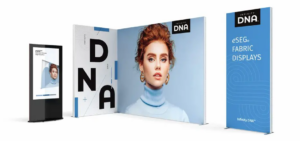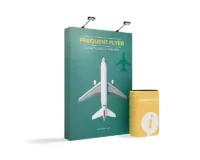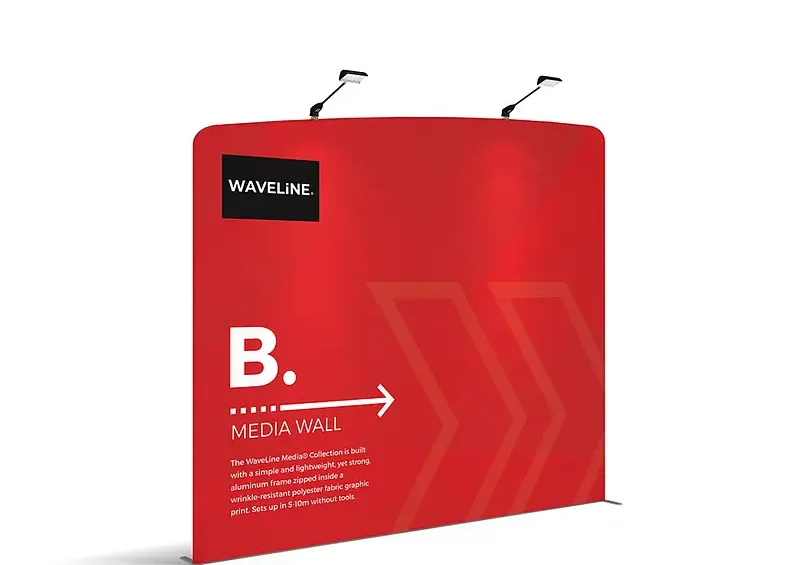
Transporting tension fabric display banners safely is essential if you want your branding to look sharp at every event. When moving Wavelight Tension Fabric Banners between venues, you need a clear plan that protects both the fabric and the frame. This guide explains practical steps UK exhibitors can take to keep their displays in excellent condition during transit, whether you are travelling by car, courier, or air freight.
Understanding tension fabric display banners
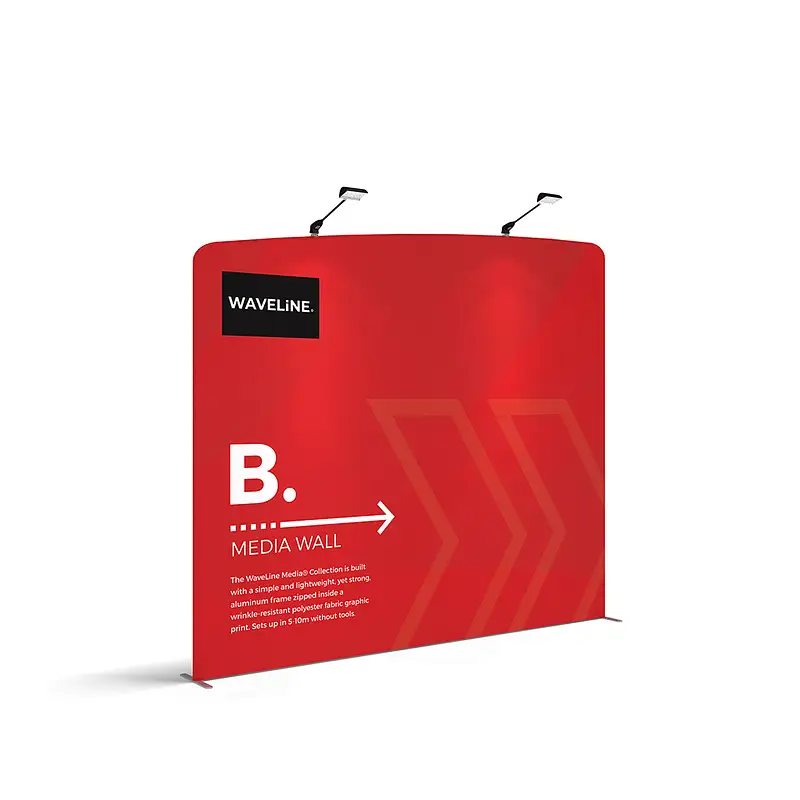
Tension fabric systems rely on a printed fabric sleeve stretched snugly over a lightweight aluminium frame. Because the material is pulled tight, any creases, tears, or frame damage become immediately visible under event lighting. Unlike traditional PVC roller banners, these displays often form the centrepiece of lightweight exhibition displays, media walls, or branded conference backdrops. Protecting the graphic and frame properly during transport will extend their lifespan and protect your investment.
Preparing the fabric graphics for transport
Before packing, check the fabric for marks, loose threads, or damage so issues can be addressed early. Always roll the graphic with the printed side facing outward, using a wide, smooth tube to avoid sharp bends. Folding should be avoided, as crease lines may be difficult to remove from premium tension fabric graphics. If the graphic is slightly dusty, gently brush it down or follow the manufacturer’s cleaning instructions before rolling. Proper preparation helps maintain colour vibrancy and the professional look expected from high-quality banner printing.
Protecting and packing the frame correctly
Disassemble the frame slowly, following the instructions to avoid bending connectors or scratching powder-coated parts. Group similar poles together and use soft sleeves, bubble wrap, or foam to separate components inside the case. Many UK trade show fabric stands use tool-free banner assembly, so it is worth labelling each section to speed up set-up on site. For frequent travel, consider hard cases that are designed for modular fabric exhibition systems and tested for courier and airline handling. A well-organised case reduces the risk of missing or damaged parts before important shows.
Choosing the right cases and transport methods
Where possible, use the original manufacturer’s case, as it is typically shaped to hold the frame and graphic securely. If you upgrade, select robust, wheeled cases that can cope with stairs, car boots, and exhibition loading bays. Businesses with reusable event display kits often invest in hard-shell cases that double as counters at events, saving both space and effort. When shipping portable tension fabric stands by courier, ensure there is sufficient internal padding to protect against impacts. For very valuable or time-critical shipments, consider transit insurance and tracked services.
Handling, storage, and on-site assembly
Keep display cases upright where possible and avoid stacking heavy items on top of them. Store fabric graphics in a dry, cool space away from direct sunlight and moisture to prevent fading or mildew. When you arrive on site, allocate enough time for careful assembly and inspection before the event opens. Many teams use portable LED backlit banners alongside Wavelight Tension Fabric Banners, so planning the layout in advance helps streamline installation. After the show, allow any condensation to dry before re-packing to maintain the integrity of your custom fabric display solutions.
By planning transport carefully and investing in appropriate protection, you can keep your tension fabric displays looking fresh and professional for years. These principles apply whether you use lightweight exhibition displays for small conferences or large-scale UK trade show fabric stands. If you would like guidance on case options, packing methods, or how to integrate Wavelight systems into broader display strategies, speak with a display specialist to review your current kit and explore practical improvements for your next event.