Exploring Variations: Different Configurations of Lightbox Fabric Banners
The versatility of lightbox fabric banners extends far beyond their basic functionality, with numerous configuration options that allow you to tailor displays to specific needs, spaces, and applications. Understanding the various configuration variations available helps you select the perfect setup for your brand and maximize the effectiveness of your display investment.
This exploration delves into the different configuration options for lightbox fabric banners, examining how various arrangements and setups can enhance your visual presentation and adapt to diverse requirements. Whether you’re working with limited space or planning expansive displays, configuration variations provide the flexibility you need.
Single-Panel Configurations
Single-panel configurations represent the most straightforward lightbox fabric banner setup, consisting of one illuminated panel that provides focused visual impact. These configurations excel in applications where space is limited or where a single, powerful message needs maximum attention.
Single-panel setups are ideal for compact trade show booths, retail environments with space constraints, or situations where simplicity and ease of setup are priorities. The focused nature of single-panel configurations ensures your message receives undivided attention without visual competition from multiple elements.
The portability and simplicity of single-panel configurations make them excellent choices for businesses that transport displays frequently or need quick setup capabilities. These configurations provide professional results while maintaining maximum flexibility and ease of use.
Multi-Panel Horizontal Arrangements
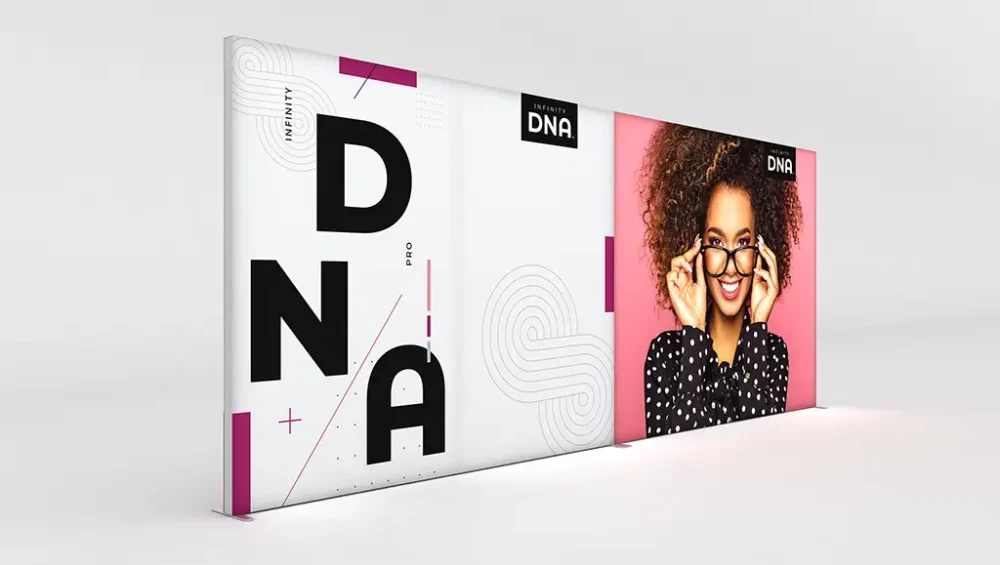
Horizontal multi-panel configurations create broader visual presentations that work excellently for large venues, wide booth spaces, or applications where you need to cover significant horizontal area. These arrangements allow you to scale your display to match available space while maintaining consistent visual impact.
Horizontal configurations are particularly effective for stage backdrops, large exhibition displays, or retail environments where you want to create expansive brand presence. The seamless appearance of connected panels creates unified presentations that appear as single, cohesive displays.
The ability to combine multiple panels horizontally means you can create displays of virtually any width, adapting to your specific space requirements while maintaining professional appearance and consistent illumination.
Vertical Stack Configurations
Vertical stack configurations utilize height to create impressive displays that maximize impact in spaces with limited floor area but available vertical space. These arrangements draw the eye upward, creating presence that extends beyond the immediate footprint of your display.
Stacked configurations work excellently in trade show booths where floor space is at a premium, retail environments where vertical space utilization is important, or any application where you want to create dramatic vertical presence. The upward extension of these configurations helps ensure visibility from greater distances.
Understanding how to balance vertical configurations with viewing angles ensures your display remains effective and accessible, regardless of how high the panels are stacked.
Corner and Angled Setups
Corner and angled configurations provide solutions for spaces with unusual layouts or where you want to direct attention toward specific areas. These arrangements can maximize visibility in corner booths, create visual flow that guides visitors, or adapt to challenging space constraints.
Angled setups are particularly valuable in trade show environments where corner booth locations require displays that capture attention from multiple traffic directions. These configurations ensure your brand remains visible regardless of which direction visitors approach from.
The flexibility to angle panels means you can create dynamic presentations that break away from standard rectangular arrangements, adding visual interest while maintaining professional appearance.
Modular Expansion Configurations
Modular expansion configurations allow you to start with a basic setup and add panels as your needs grow or as budget allows. This approach provides flexibility to scale your display investment over time while maintaining consistency in appearance and performance.
Modular configurations are ideal for businesses that are growing their event participation or expanding their display presence gradually. The ability to add panels means your initial investment continues to provide value as you expand, rather than requiring complete system replacement.
Understanding modular expansion capabilities helps you plan for future growth while making initial investments that align with current needs and budget constraints.
Curved and Custom Shape Arrangements
While most lightbox fabric banner configurations follow standard rectangular formats, some systems support curved arrangements or custom shapes that create unique visual presentations. These configurations provide opportunities for distinctive brand expression that stands out from standard displays.
Curved configurations can create flowing, dynamic presentations that add visual interest and guide the eye through your display. Custom shapes allow for brand-specific configurations that reinforce unique brand identities or create memorable visual experiences.
These specialized configurations may involve additional considerations in terms of cost and complexity, but they provide opportunities for truly distinctive presentations that differentiate your brand.
Integrated Display Configurations
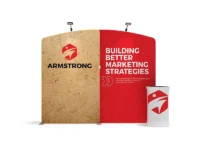
Integrated configurations combine lightbox fabric banners with other display elements such as product shelves, counters, or complementary signage. These arrangements create cohesive display environments that maximize the effectiveness of all elements working together.
Integrated setups are particularly valuable in retail environments or trade show booths where you want to create complete brand experiences rather than isolated display elements. The illuminated nature of lightbox fabric banners helps them serve as focal points that anchor integrated display arrangements.
Understanding how to integrate lightbox fabric banners with other elements helps you create comprehensive display solutions that maximize impact across all components.
Portable and Temporary Configurations
Portable configurations prioritize ease of transport and quick setup, making them ideal for businesses that move displays frequently or participate in multiple events. These arrangements focus on components and setups that pack compactly and assemble quickly without compromising visual impact.
Temporary configurations are designed for short-duration applications where displays need to be set up and removed quickly. These setups prioritize simplicity and speed while maintaining professional appearance and effectiveness.
The portability focus of these configurations makes them valuable for businesses with active event schedules or those that need displays that can adapt quickly to changing requirements.
Permanent Installation Configurations
While lightbox fabric banners are often associated with temporary displays, they also support permanent or semi-permanent installation configurations. These setups prioritize stability and long-term performance while maintaining the ability to update graphics as needed.
Permanent configurations may include enhanced mounting systems, additional structural support, or specialized installation methods that ensure reliable long-term operation. These arrangements are suitable for retail stores, corporate lobbies, or other locations where displays remain in place for extended periods.
Understanding permanent installation options expands the applications where lightbox fabric banners can provide value, making them suitable for both temporary and long-term display needs.
Conclusion
Exploring the various configuration options for lightbox fabric banners reveals extensive flexibility that allows these displays to adapt to virtually any space, application, or requirement. From simple single-panel setups to complex multi-panel arrangements, from standard rectangular formats to custom shapes, configuration variations provide the tools you need to create optimal displays.
The key to selecting the right configuration is understanding your specific space constraints, visibility goals, and application requirements, then matching those needs with appropriate configuration options. The modular, adaptable nature of lightbox fabric banners means you can experiment with different arrangements to find what works best for your brand.
Ready to explore configuration options that work for your specific needs? Browse our lightbox fabric banner selection and discover how different configurations can maximize the impact of your visual presentations.