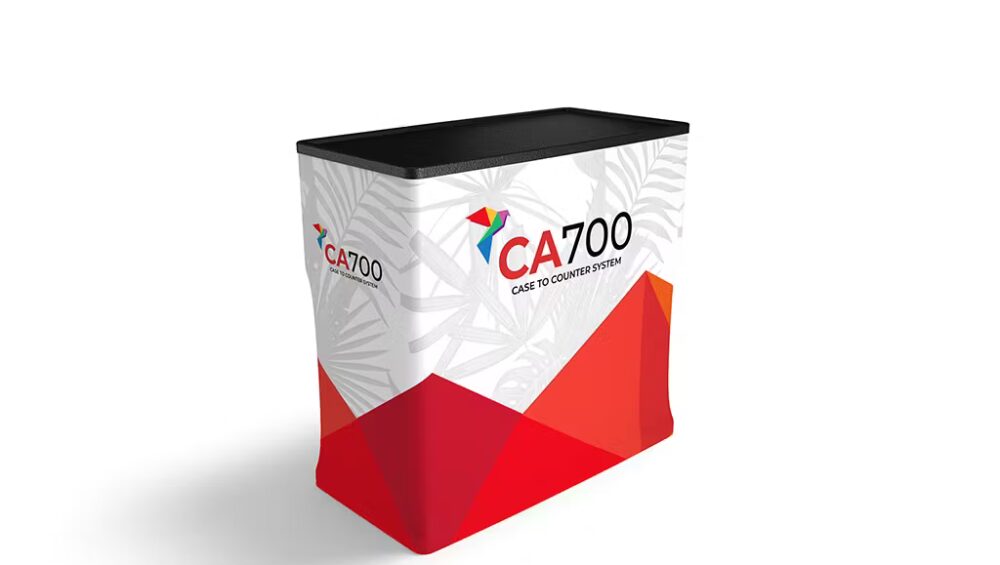
Finding the Perfect Fit: Case & Counter (All-in-One) Configurations Explained
Introduction
Choosing a case and counter that combines storage, branding, and portability is critical for exhibitors who need a reliable solution that performs at every event. In this guide, you will learn how an all-in-one case and counter system delivers superior functionality, and how design choices translate to real benefits on the show floor. Moreover, this article focuses on practical product details so you can make a confident purchasing decision.
General Information
The all-in-one case and counter concept merges a protective transport case with a ready-to-use counter surface, and this integration reduces setup time while improving presentation. For example, WaveLine® InfoDesks exemplify this approach by combining smart storage, durable finishes, and clean branding surfaces. As a result, exhibitors get a compact package that ships easily and converts quickly into an attractive counter at the event.
Specifications
To ensure the product fits your needs, consider core specifications such as closed dimensions for shipping, open dimensions for use, maximum weight capacity, and material thickness. Typically, a well-designed case and counter offers a lightweight frame, a reinforced top that supports monitors and literature, and internal compartments for accessories. Therefore, check dimensions and weight limits before ordering so the counter matches your event footprint and shipping constraints.
Product Highlights
Key selling points include integrated storage, tool-free assembly, and customizable graphics. For example, the best models have quick-lock panels and a counter top that snaps into place without tools, which saves time during tight load-in schedules. Additionally, the ability to apply full-color wraps or magnetic panels enhances brand visibility. Consequently, these highlights improve both operational efficiency and visual impact at trade shows.
Design Features and Components
Design matters because it determines durability, ease of use, and presentation quality. Typical components include a hard-shell case, reinforced top, internal shelving, cable access ports, and optional locking hardware. Moreover, modular inserts help organize handouts, chargers, and demo equipment. As a result, the configuration minimizes clutter and keeps essentials within reach while maintaining a professional appearance.
Portability and Setup Process
Portability remains a top priority for frequent exhibitors, and meanwhile quick setup reduces labor costs. Look for lightweight construction and compact packing dimensions so you can ship economically and handle the unit easily. Furthermore, tool-free assembly and clear labeling on parts shorten setup time, which means staff can focus on visitor engagement rather than assembly. Finally, consider units with wheels for single-person transport through loading docks and aisles.
Use Cases
All-in-one case and counter configurations suit a variety of event types, including trade shows, pop-up retail, conferences, and roadshows. For instance, the counters serve as registration desks, demo stations, or information points. In addition, their integrated storage helps protect sensitive demo gear between shows. Therefore, these units are ideal for teams that need a compact, repeatable, and branded presence across multiple events.
Conclusion
When you compare case and counter solutions, prioritize products that blend durability, portability, and presentation. The right all-in-one counter reduces setup time, protects your assets, and enhances brand impact, and consequently it delivers measurable value for exhibitors. Ultimately, selecting a thoughtfully designed unit will help you present professionally, manage logistics efficiently, and stay flexible for different event formats.