Inside the Build: Materials and Assembly of Modern Hanging Banners
Modern hanging banners are a versatile category of display solutions designed for overhead presence, long-term durability, and impactful branding. In this guide, you will find clear information about the range of products in the category, the materials and assembly choices that matter, and the practical ways event teams and retailers put multiple banners to work. Consequently, you can make smarter decisions when selecting hanging banner systems for exhibitions, retail activations, and large events.
General information about hanging banner products
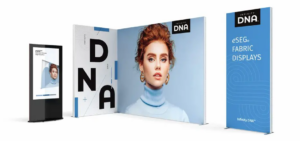
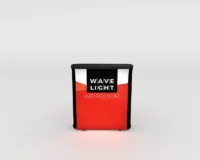
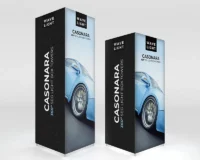
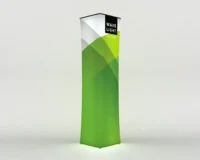
Hanging banner products include a variety of shapes, sizes, and support systems, and they range from lightweight single-panel banners to large multi-panel overhead displays. Moreover, the category covers fabric banners, tension-fit graphics, and framed systems that integrate lighting. Therefore, you get a mix of visual impact and functional performance depending on your needs.
For buyers, comparing options by size, attachment method, and graphic finish is essential, and the right combination improves visibility and brand recognition at any event. To explore available options and product types, review manufacturers and suppliers that specialize in exhibition-grade systems like hanging banners.
Material and Design Variations
Fabric choices commonly include polyester knits and backlit textiles, which reproduce color vibrantly and resist creasing. Additionally, vinyl and coated fabrics are available for budget-sensitive projects where durability and weather resistance matter. Frame materials typically use anodized aluminium or lightweight steel to balance strength with transportability.
Design variations include single-sided and double-sided prints, modular frame kits, and custom-shaped banners. As a result, designers can prioritize either brand visibility or ease of storage depending on event cadence and venue constraints.
Specifications and Performance Standards
Standard specifications focus on graphic resolution, fabric weight, and structural load limits. For example, fabrics rated for high-resolution dye-sublimation produce crisp graphics, while weight and wind-load specifications guide safe installation in hung environments. Furthermore, integrated systems often meet industry safety guidelines to ensure stable overhead installations.
Consequently, when evaluating products, check print dpi, fire-retardant certifications, and the maximum span of supported frames. These metrics directly impact longevity and compliance at large-scale venues.
Use Cases and Applications
Exhibitions and trade shows
In exhibitions, hanging banners deliver brand visibility above crowded aisles, and they often serve as focal points for booth design. Moreover, high-mounted banners attract attention from a distance, increasing foot traffic to your space. Therefore, they are a strategic investment for companies seeking immediate recognition in busy show halls.
Retail, events, and wayfinding
Retail stores use hanging banners for seasonal promotions and directional cues, while event organizers deploy them to guide attendees across large venues. Additionally, combining directional graphics with branded visuals enhances both navigation and marketing outcomes, which improves attendee experience and sales potential.
Product Category Advantages in Exhibition Settings
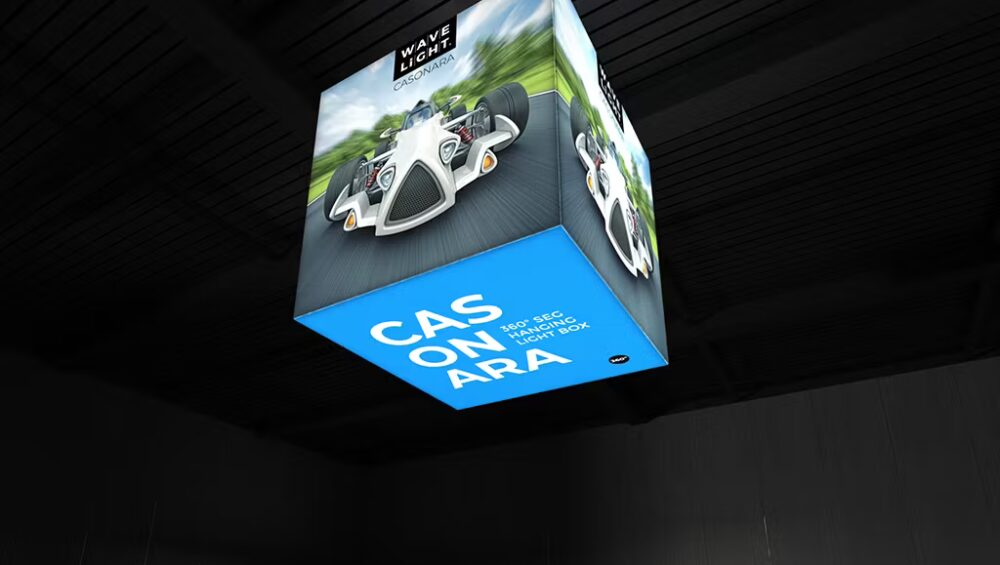
Hanging banners offer several advantages for exhibitions. First, they free up floor space while maximizing sightlines. Second, they can be reused across events with updated graphics, which reduces long-term cost. Third, integrated lighting options improve nighttime or indoor visibility. Together, these benefits make hanging banners an efficient and scalable branding solution for frequent exhibitors.
Creative Uses of Multiple Banners
Using multiple banners in layered or radial arrangements increases depth and visual interest. For example, combining a central circular banner with surrounding rectangular panels creates a branded canopy that draws eyes from many directions. Additionally, mixing backlit panels with fabric banners produces contrast and highlights key messages at key sightlines.
Consequently, event designers can create memorable environments that reinforce messaging without adding permanent structures, and teams can adapt configurations for different venues and budgets.
Portability, Setup Process, and Long-Term Value
Most modern hanging banner systems are engineered for quick setup, and modular frames snap together with simple fasteners. Because transportability matters, manufacturers prioritize lightweight profiles and compact carrying cases that fit standard shipping crates. As a result, you save time during load-in and reduce handling costs between events.
Over time, selecting quality materials and serviceable components reduces replacement frequency and lowers total cost of ownership. Therefore, choose systems with replaceable graphics and durable frames to maximize return on investment.
Conclusion
Hanging banners form a flexible category that balances creative possibilities with practical performance. In addition to strong visual impact, the best products combine durable materials, certified specifications, and modular systems that scale with your needs. For marketers and event planners who require overhead branding that is reliable and reusable, hanging banner systems deliver measurable benefits in visibility, cost efficiency, and ease of use.
Ultimately, investing in the right combinations of materials, graphic quality, and assembly features ensures your messages look professional and perform consistently across multiple events.